Nearly One in Five Things Bought Online Gets Returned
Free returns rewrote how people shop, from ordering three sizes to wearing an outfit once, and left retailers with a $1 trillion headache.
 Yahoo Finance · A Dyslexic High School Dropout Tackled the Massive Problem of Online Returns. This Year, His Business Will Make Over $500 Million.
Nearly one in five things bought online last year was sent back. What used to be an occasional hassle has become routine behavior.
The shift followed the pandemic boom in online shopping, when free returns, popularized by Amazon, removed the risk of guessing wrong. Shoppers began bracketing, ordering several sizes at once to keep one and return the rest, and wardrobing, buying an outfit, wearing it once, and sending it back.
For years, retailers quietly absorbed returns by selling them for a tiny fraction of their price to resellers, throwing some away, or baking the loss into prices. At today's volume, that math no longer works. All the merchandise flowing backward creates roughly $1 trillion in returned goods annually.
Questions people ask
Why don't retailers just end free returns?
Because shoppers demand it. Free and easy returns make people more willing to buy, especially clothes and shoes they cannot try on first, and stores that charge for returns risk losing the sale entirely. Many are now trying a middle ground, like free exchanges, shorter windows, or fees for serial returners.
What actually happens to something I return?
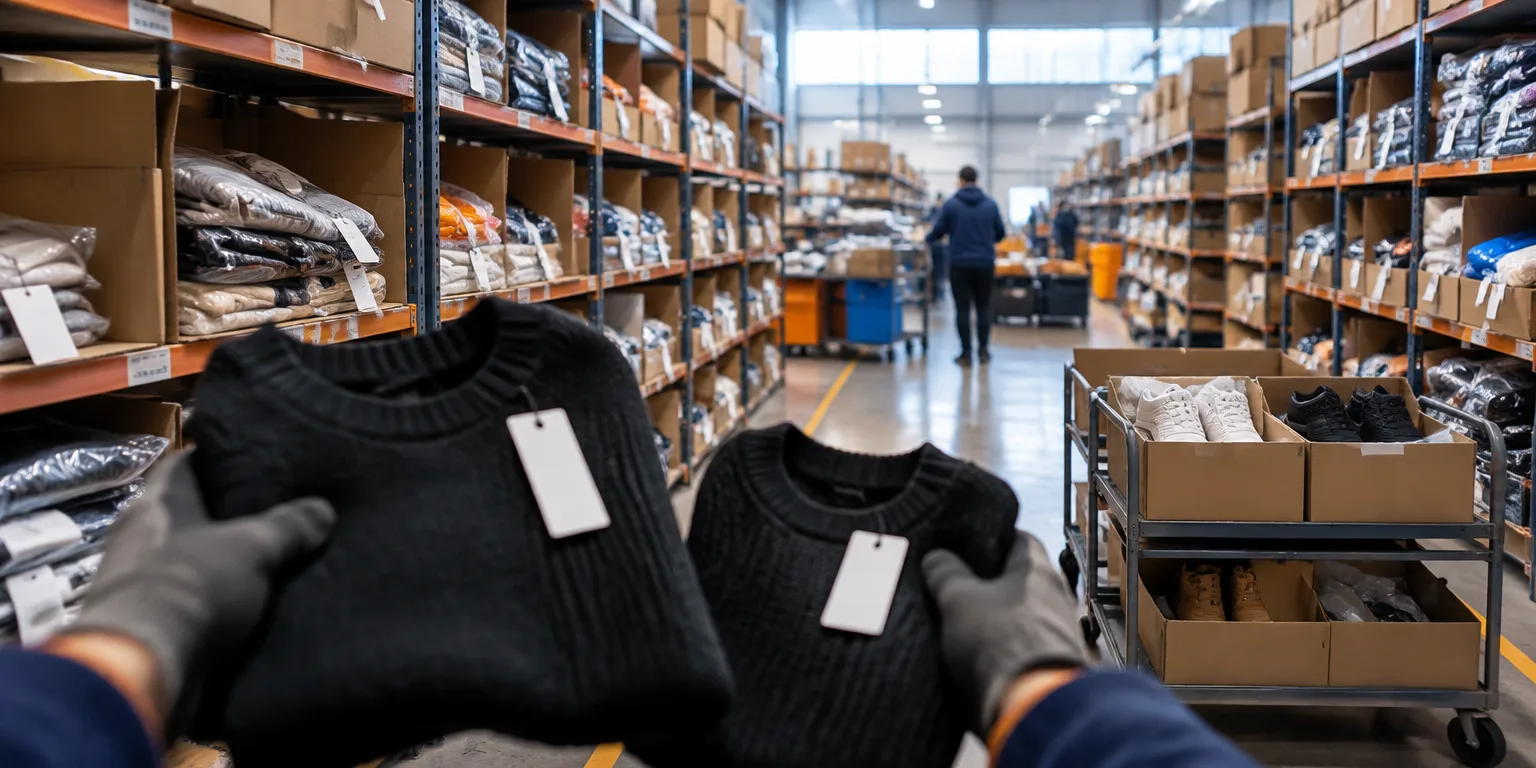
Very little goes straight back on the shelf. Returns are usually sent to a warehouse, where each item must be inspected, tested, cleaned, or reboxed, then resold, sent to a discounter, liquidated, recycled, or thrown away. That individual handling is why a return costs so much more than shipping the original order.
What gets returned the most?
Clothing and shoes, by far. Sizes vary by brand, colors look different on screen, and bracketing makes it easy to order small, medium, and large with the plan to keep one. Electronics and home goods are returned less often, but they hurt more per item because they cost more to ship and lose value fast.