Nepal got the first UN climate disaster payment, and it covers almost none of the loss
The $20 million payout is historic, and it is dwarfed by $5 billion in damage and nearly $3 billion in claims from 119 countries.
 Global News Podcast · Yemen's humanitarian crisis
Nepal is the first country paid by the United Nations loss and damage fund, aid from wealthy countries to poor ones hit by climate disasters, and the check covers almost none of the damage.
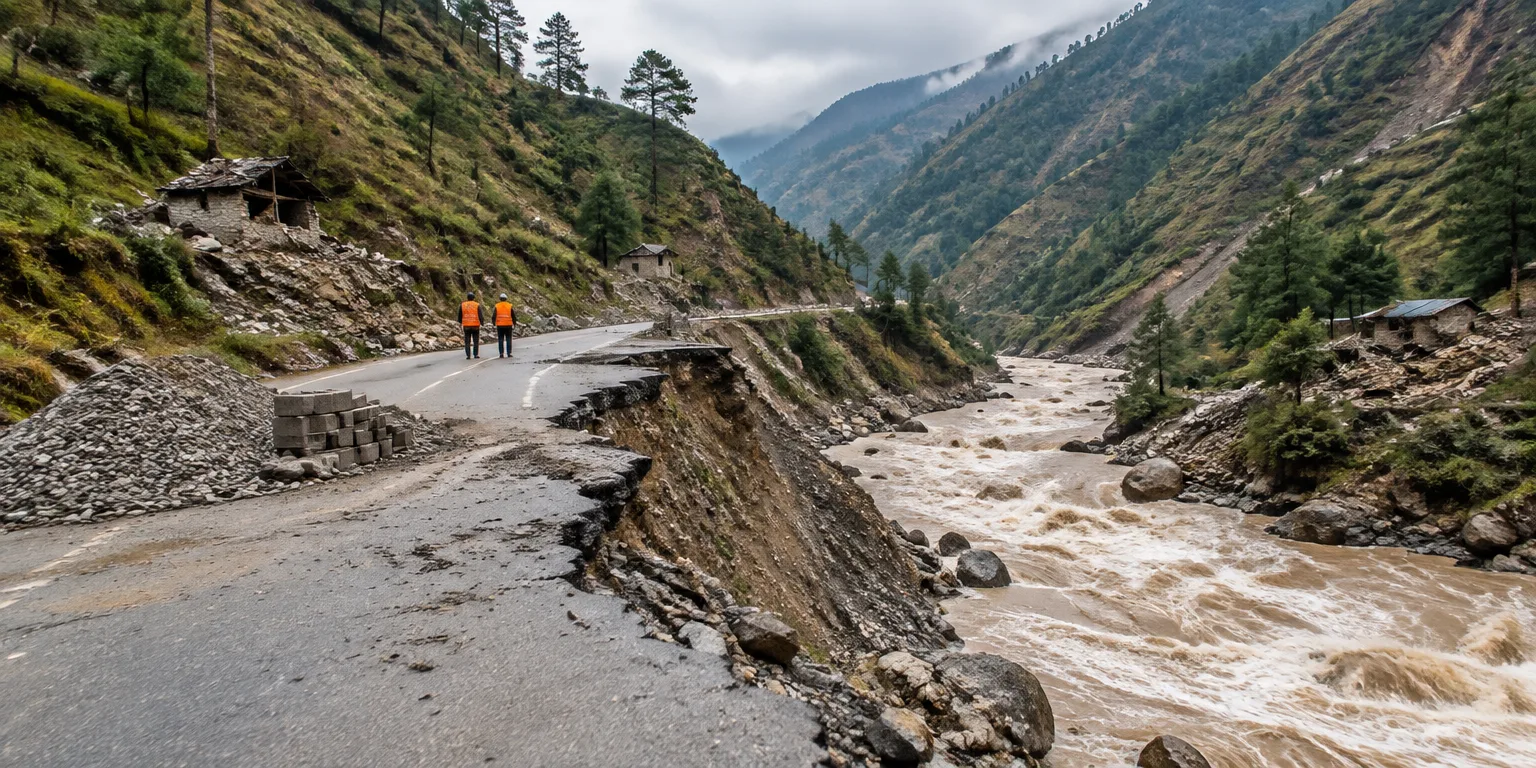
The $20 million is to rebuild the Rasuwa, Bhotekoshi, and Trishuli corridor, the road and river route flooded on August 26. More than 1,400 people were killed. The bill is $5 billion. Navin Sinkadkar, a global environment correspondent, said others call the amount almost nothing, though officials say the fund's first payment matters.
Poor countries argue they face the worst harm from warming they did little to cause. The fund is not called compensation, because developed countries feared floodgates of claims.
The bigger gap is that 119 countries seek close to $3 billion, while the fund holds less than $350 million. The fund was agreed three years ago, and the World Bank manages the money. It has only now begun paying.
Questions people ask
What exactly counts as “loss and damage”?
It generally means harm from climate change that cannot be avoided by cutting emissions or adapting, such as destroyed homes, lost harvests, damaged roads, and lives disrupted by floods and storms. It can also include slower losses, like farmland ruined by rising seas or saltwater.
Where is the fund's money supposed to come from?
The money comes from developed countries, under the UN climate convention and the Paris Agreement, with the World Bank managing the money. The fund is still small, holding less than $350 million against close to $3 billion in requests, which is why the payout is small against the need.