New Car Buyers Ranked Expert Reviews a Close Third Behind Price
Advertising built awareness, but buyers said price came first and expert road tests came in third.
 Embracing Marketing Mistakes · EP 127: Professor Jim Macnamara Says Most Of The PR Industry Is Still Measuring The Wrong Thing
The call was simple. A researcher rang up someone who had bought a Volkswagen in the past six months, while the memory was still fresh, and asked, "Why did you buy the car?"
The project, which Jim Macnamara, a professor who specializes in measuring public relations, described as some years old, was set up with Volkswagen in Asia Pacific to settle who gets credit for sales. When something sells well, Macnamara said, everyone claims the result.
The team interviewed recent buyers by telephone. First came open questions about where they had heard about the car and why they bought it. Then came specific prompts about influences they might not mention on their own, like taking a test drive, riding in the car, or knowing a friend who bought one. From those answers, the researchers listed 11 or 12 triggers in the decision, then asked buyers to rank the top one or two.
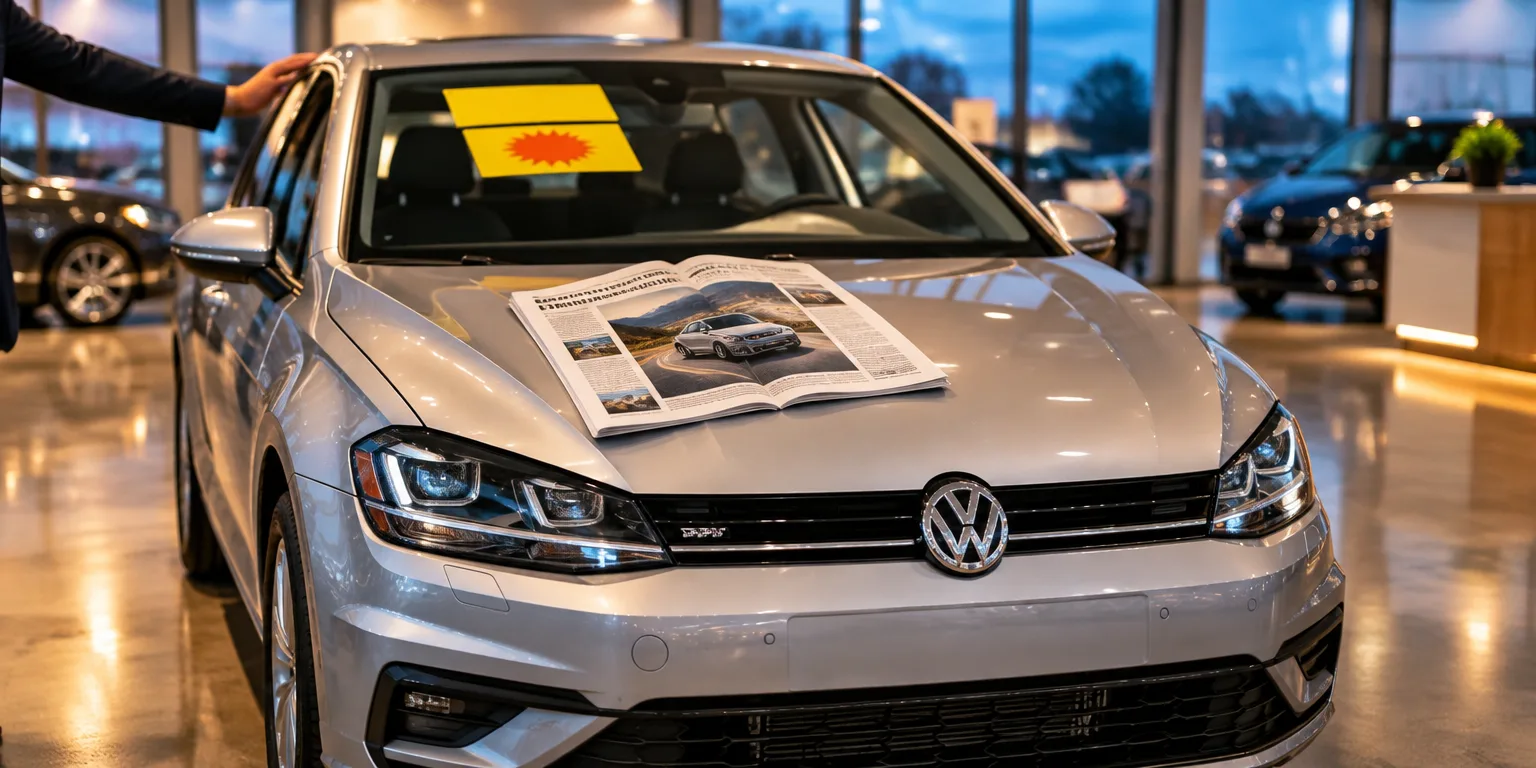
Advertising did its job at the start. It was the main trigger for awareness of the model. But the final decision was different. The No. 1 reason for buying was price and the deal on offer, with independent editorial reviews in third place, close behind, and other factors in between.
That result mattered for public relations because, Macnamara said, 99% of the time a PR person or firm is behind such reviews, by supplying the car and arranging the test drive that a journalist then writes up. Customer reviews were something else, more a matter of customer relations, but an expert road test in a newspaper or magazine could help move a buyer.
No single factor decided a sale. Most purchases, Macnamara found, had several causes working together. His point was narrower: by going to what he called the horse's mouth, meaning the buyers themselves asked directly, he could show that public relations had a significant, measured impact on sales.
Macnamara recalled that Volkswagen acted on the finding. He said he thinks the company raised the share of its budget going to independent editorial publicity from 5% to 15%. A single survey of buyers had linked PR work to cars sold.
Questions people ask
What is an independent editorial review?
It is a test or review by a journalist or outside expert, not paid advertising and not a star rating from shoppers. For cars, that often means a reporter takes a model for a test drive and writes up how it handles, what it costs to run, and how it compares. PR teams often arrange access to the product, but the writer decides what to say.
Why ask both unprompted and prompted questions?
Unprompted questions capture what buyers remember on their own, like seeing an ad, without being led. Prompted questions check specific influences they might forget to mention, like a test drive or a friend owning the car. Using both gives a fuller list of triggers, which researchers can then ask buyers to rank.
Do car buyers still rely on expert reviews today?
In general, many shoppers check reviews before a big purchase, and cars are no exception. Expert road tests sit alongside owner reviews, videos, and price comparison sites. Price, monthly payments, reliability, and running costs usually remain central to the final choice.