New York City Will Ban Horse-Drawn Carriage Rides Starting June 2028
The council acted after a tourist was killed, pitting carriage jobs against claims that city streets are unsafe for horses.
 Reuters World News · Starlink, Trump's base, Ben-Gvir and New York's horse-drawn carriages
This summer in New York City, a carriage horse bolted. An Indian tourist was killed.
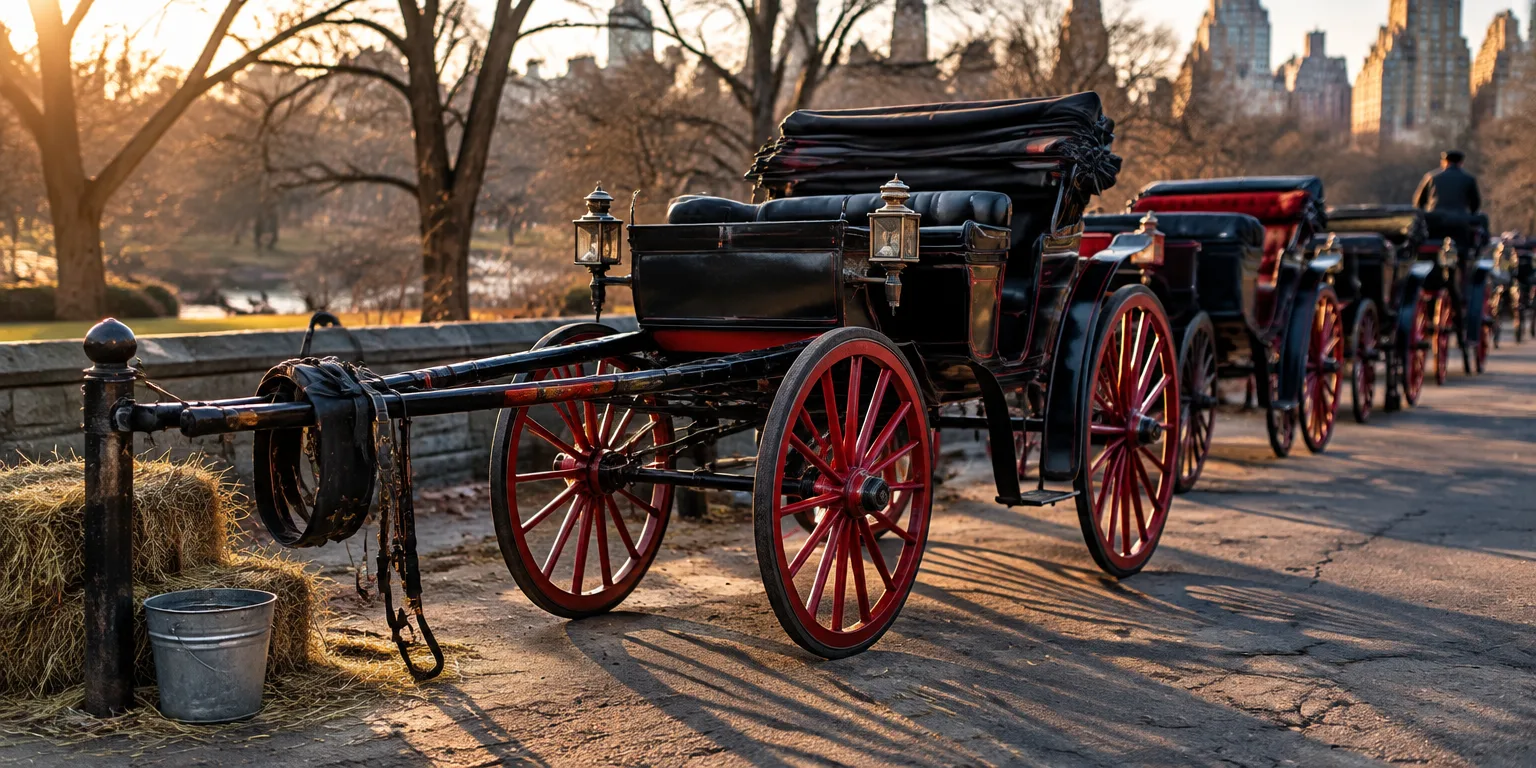
The horse pulled one of the horse-drawn carriages that work around Central Park.
The New York City Council has approved a measure outlawing horse-drawn carriage rides effective June 1, 2028, closing one of the city's oldest tourist attractions. Backing to end the rides rose following the summer death of the tourist in the bolting-horse incident.
The ban faces strong opposition from carriage operators. Operators like Christina Hansen, a carriage operator, warn that hundreds of positions would disappear.
Hansen said many New Yorkers feel the carriages are part of the city, and visitors treat a ride as something to check off a list.
"An awful lot of New Yorkers feel like we are a part of New York, right?" Hansen said. "And even people that aren't from here, it's a bucket list item."
She added, "The horses in Central Park, we are iconic. We are as much a part of the city as the Statue of Liberty and the Empire State Building."
On the other side is Pitta, which advocates for animals. The organization calls the trade "long overdue for closure," contending the animals confront unsafe conditions on urban roadways.
The carriages can keep operating for now. Starting June 1, 2028, the rides will be banned.
Questions people ask
How long have horse-drawn carriages been part of New York?
Carriage rides date to the 19th century, when horse-drawn vehicles were everyday transport. Around Central Park they survived into the car era as a short, slow loop that lets visitors see the park without walking, and that nostalgia is a big part of the appeal.
Why do animal welfare groups say pulling carriages in a city is harmful?
Critics point to traffic, noise, hard pavement, extreme heat and cold, and long hours standing or pulling loads. Horses are also easily spooked, and a startled horse in traffic can injure itself, its driver, and bystanders.
What typically happens to the horses and drivers after a ban?
Owners usually sell, retire, or rehome the animals, sometimes to farms or sanctuaries, while drivers must find other work. In New York, operators warn of lost livelihoods, and supporters of electric horseless carriages have proposed them as a way to preserve sightseeing jobs without horses.