Next Spring, Test Your Soil Before You Add Lime or Fertilizer
A lab test tells you whether pH needs lime or sulfur, and whether phosphorus is built up from past gardening.
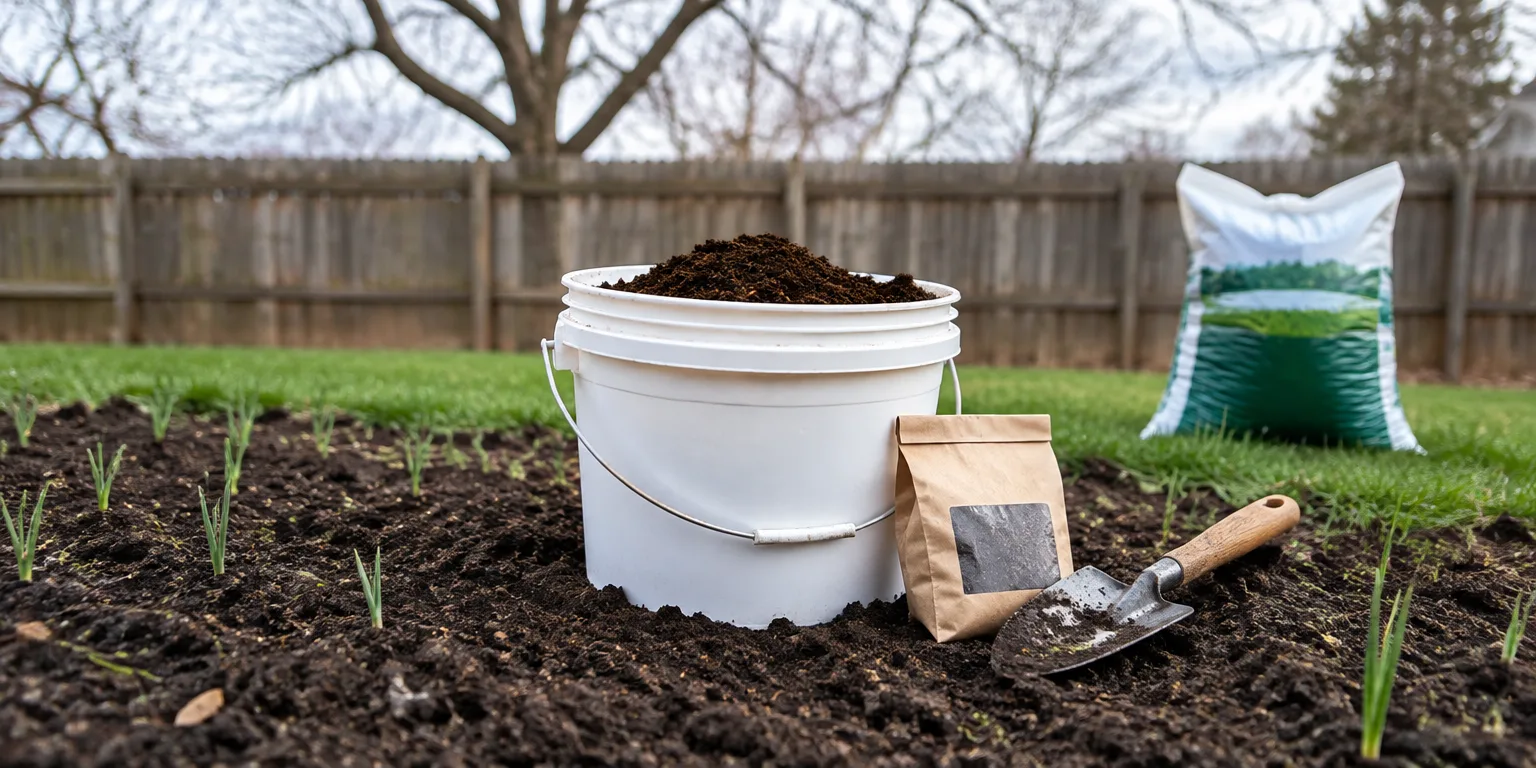
Next spring in Illinois will again tempt gardeners to fix the bed with a bag of something, and the surest way to waste that effort is to guess.
The method from a guide to Illinois spring soil is simple. Test first, then add only what the test calls for.
Next spring, start by ordering a laboratory analysis through a county extension office or another trusted garden lab before buying any amendment.
pH imbalance in either direction is common in Illinois gardens, yet adding material by feel can waste cash and tip the balance further off.
The report shows the levels of phosphorus and potassium built up from past gardening. If either is already high, skip adding that nutrient.
When acidity is the problem, add ground limestone only in the quantity listed on the report, and work that dose into the top layer.
When alkalinity is the problem, add elemental sulfur strictly at the lab's prescribed dose. Local soils differ enough that generic prescriptions cause problems.
Handle plant food the same way. Where the report flags a shortfall, stir a balanced granular product or one blended for the crop into the upper inches.
Go easy on nitrogen in spring. A light feeding steadies young roots without forcing soft leafy growth that a chill can damage.
Questions people ask
How do I take a soil sample to send in?
Take several small scoops from the top six to eight inches across the bed, mix them in a clean bucket, and send about a cup in the lab's bag. Most labs ask what you plan to grow so the recommendations match vegetables, lawn, or flowers.
What do lime and sulfur actually do to soil?
Lime raises pH through a chemical reaction with soil acidity, while elemental sulfur lowers pH with help from soil microbes that convert it. Both act slowly, so gardeners usually apply them well before planting and mix them into the top layer.
How often should I retest?
For most home vegetable beds, every two to three years is enough unless you are fixing a serious problem. Annual testing makes sense if a past test found very high phosphorus, very low pH, or you garden intensively in heavy clay.