North Korea deletes words so people cannot think forbidden thoughts
A defector says that without the vocabulary for romance, sexuality, or freedom, people do not miss what they never knew.

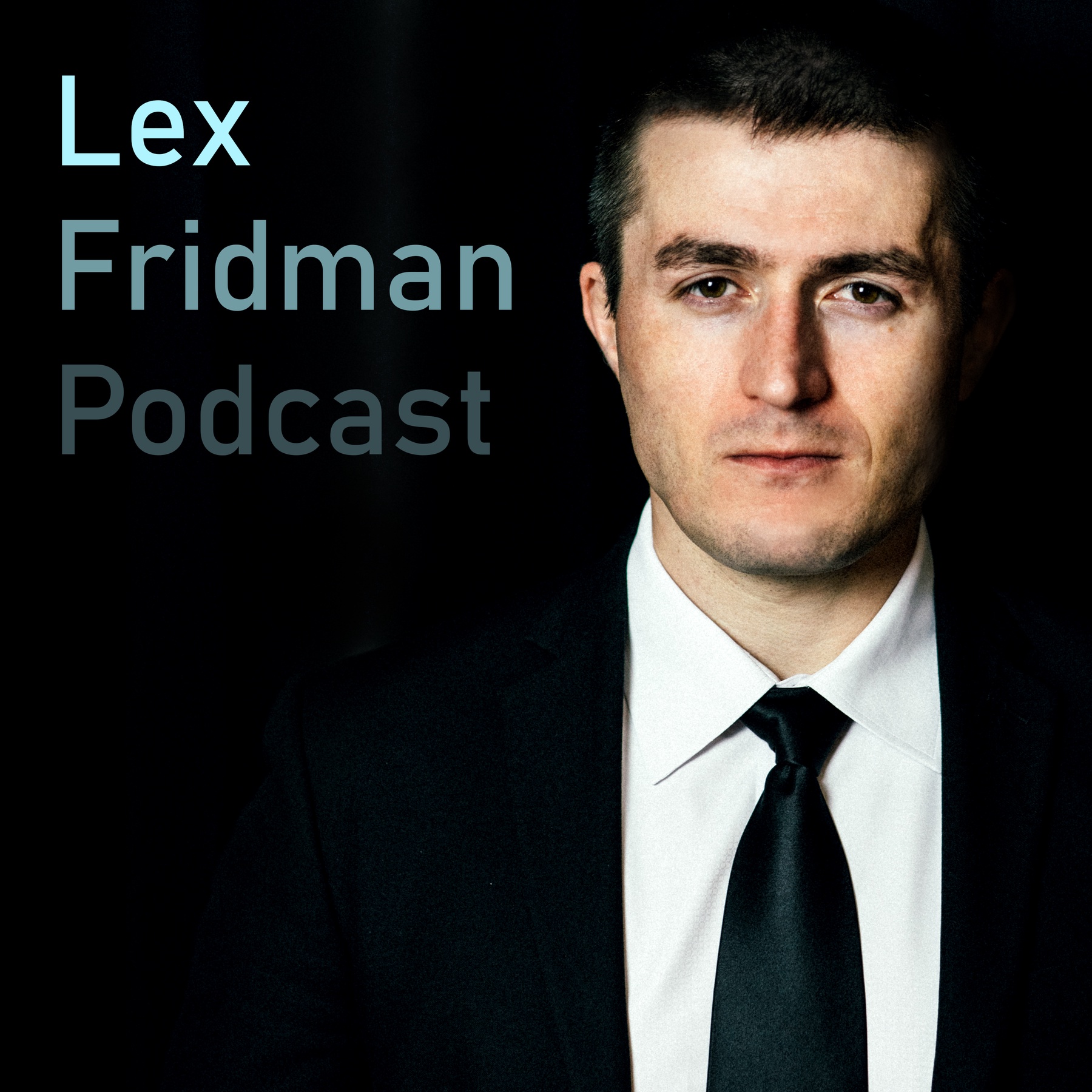 Lex Fridman Podcast · Yeonmi Park: North Korea | Lex Fridman Podcast #196
When Yeonmi Park, a North Korean defector, arrived in San Francisco after her escape, a man hugged her and said, “Don’t worry, I’m gay.” She had no idea what he meant.
She went back to her hotel room and searched the word. Park says she is sure there are gay people in North Korea, but with no word for it, there is no way to know what it is, talk about it, or understand yourself through it.
That, she and the interviewer agree in their conversation, is how thought control works. People are not born knowing what justice, liberty, or oppression mean. They have to learn the words first, and then get curious about the ideas behind them. If the word never exists, the curiosity never starts.
In her memory, North Korea has no color. Roads were unpaved, trees had been cut down for food, and even clothing was drab. Park said “there was no word for fashion,” so there was no concept of expressing yourself through what you wore.
The missing vocabulary went much further. She says she grew up without the concepts of romantic love, human rights, or liberty. She never saw a map of the world, did not know she was Asian, and was taught that North Koreans were a special first race. The calendar did not count from the birth of Christ, but from the birth of Kim Il Sung, the country’s founder. Park says history was forgotten to them, and everything started with him.
Love stories were missing too. She recalled that North Koreans do not know Romeo and Juliet, and movies are never about romance, adding that these loves were denied too, between a mother and daughter, a husband and wife, or friends.
Park says the only love she knew of was love for the leader. When the interviewer suggested that the regime, deliberately or not, wants to channel that deep feeling toward the leader, she agreed, saying that is “the only thing they allow us to fear and know about.”
Questions people ask
Do North and South Korea actually speak different languages now?
As general background beyond Park's interview, they share a language that has diverged after 70 years of division. South Korea absorbed many English loanwords for modern life, while the North replaced them with native terms, so defectors often must learn everyday words for work, shopping, and technology.
Is this the same idea as Newspeak in 1984?
In the novel, the state shrinks vocabulary to limit thought, which is close to what Park described when she talked about eliminating words. The parallel comes up after the interviewer brings up doublethink and the control of language.
Why would a regime want all love pointed at the leader?
In the interview, the interviewer suggests the regime channels deep human feeling toward the leader, and Park agrees. She says that was the only feeling they allowed people to know about, after other loves between family and friends were denied.