North Korea paid for new apartments with 70 years of stored weapons
Trading old shells for food, fuel, and building materials was a good deal, but the stockpiles are now running low.
 Economics Explained · How Kim Jong Un "Accidentally" Fixed North Korea's Economy
On paper, North Korea's wartime export boom may not count as growth at all. The artillery shells sent to Russia were made decades ago and counted as output when they were built, so shipping them now raises exports while shrinking the recorded stockpile by about the same amount. Because fresh goods flow back the other way, and imports are subtracted in the national accounts, the whole exchange could even look like the economy shrank.
It happens as barter because neither side can easily use money. Both Russia and North Korea are largely cut off from the global banking system that normally keeps score between trading partners, so they swap munitions and labor directly for other goods instead of wiring payment.
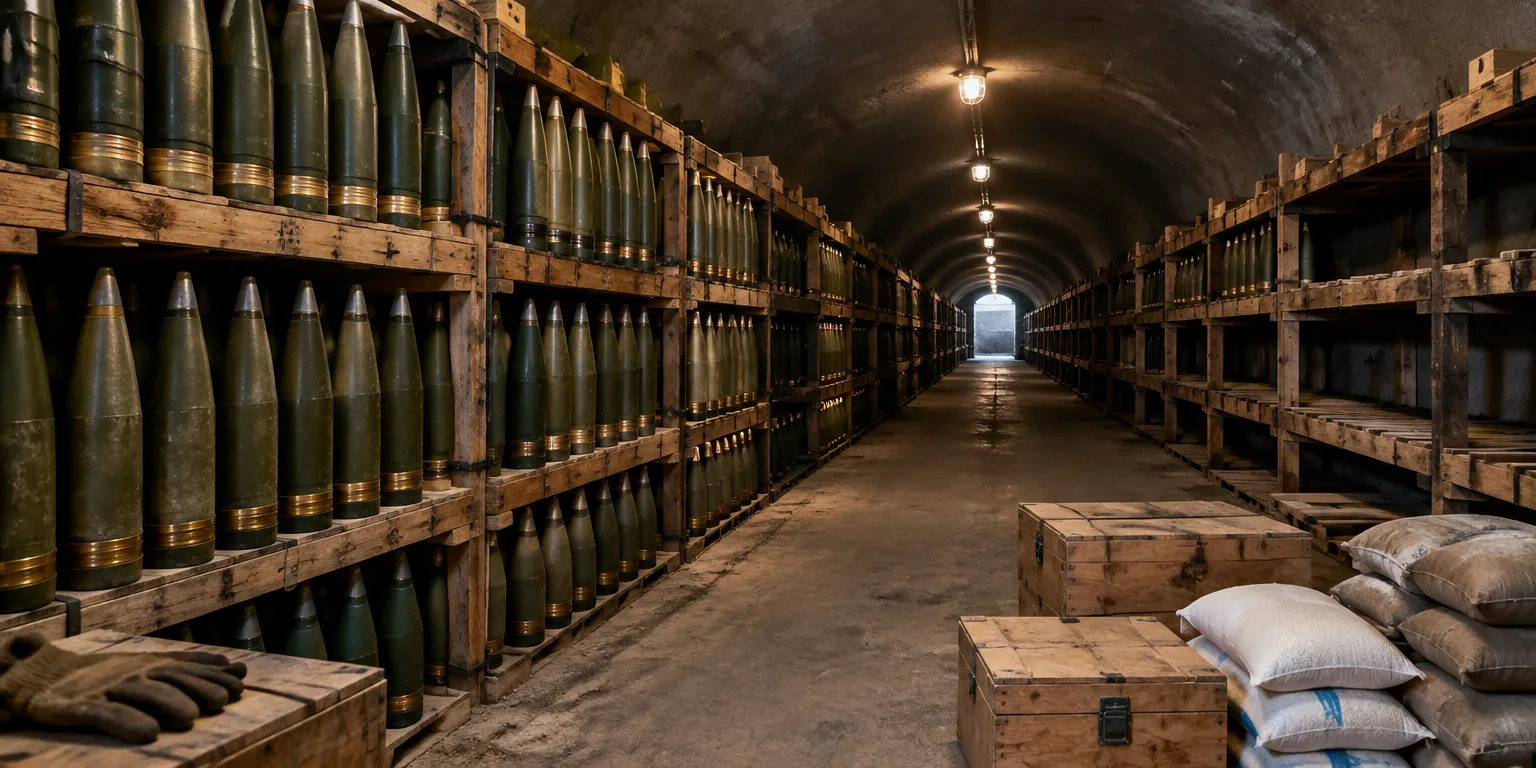
In practice, that swap was simply a good trade. North Korea gave up shells that sat inertly in caves and received food, fuel, fertilizer, and construction supplies in return. For a country where famine in the 1990s killed hundreds of thousands, possibly millions, that exchange matters more than how it is recorded.
The building materials paid for construction that is visibly real. The showpiece is the Hwasong district in Pyongyang, with 10,000 new apartments completed under a five-year building drive for 50,000 across the capital, including two red towers shaped like missiles. The factories have added real new work as well. South Korea's central bank estimates that the economy grew 3.1 percent in 2023 and 3.7 percent in 2024, the quickest pace in eight years, with heavy industry up more than 10 percent making the metal goods that leave the country in crates.
North Korea is spending down a 70-year stock of weapons, and that stock is finite. Ukrainian military intelligence says North Korea cut its artillery shipments to Russia by about half through 2025, as its stockpiles ran low. That kind of inheritance cannot last forever, and the risk is that the food, fuel, and construction bought with stored weapons slow as well.
Questions people ask
Why doesn't selling billions of dollars of shells count as economic growth?
Growth accounting counts new production, not the sale of old inventory. The shells were counted as output when they were made decades ago, so shipping them now raises exports but lowers the recorded stockpile by about the same amount. Selling the entire stock at once is like emptying a warehouse, not building a bigger factory.
Why does North Korea have to barter instead of just getting paid?
Both Russia and North Korea are largely cut off from the global banking system, so wiring large payments is difficult and risky. They swap munitions and labor directly for food, fuel, fertilizer, and building materials, with no bank to track who owes what. The only alternative would be credit on a handshake, and neither side is a safe borrower during an expensive war.
Where did 70 years of stored weapons come from?
North Korea began stockpiling after the Korean War ended in 1953 and built a military-first economy with help from the Soviet Union and China. For decades it kept factories making more artillery and ammunition than it needed, storing the surplus in tunnels and warehouses. Russia's war in Ukraine suddenly made that Cold War surplus valuable again.