North Korea Starved Its Countryside to Keep the Capital Alive
After Soviet aid ended, Kim Jong-il's government protected the capital, refused foreign food, and told starving people to rely on themselves.
 Lex Fridman Podcast · Yeonmi Park: North Korea | Lex Fridman Podcast #196
Yeonmi Park, a North Korean defector who escaped as a teenager, remembers walking with her sister and passing a teenage boy whose intestines were coming out of his body. He was not asking for medicine. He was asking for food.
Park says that kind of hunger was not a natural disaster. She calls it man-made, a deliberate choice made after outside support disappeared.
Until 1991, she explains, North Korea ran on a Soviet style system in which the state promised to provide schooling, health care, and food rations, and the Soviet Union heavily subsidized the bill. When the Soviet Union collapsed, the aid stopped. Park says three million people died on the streets.
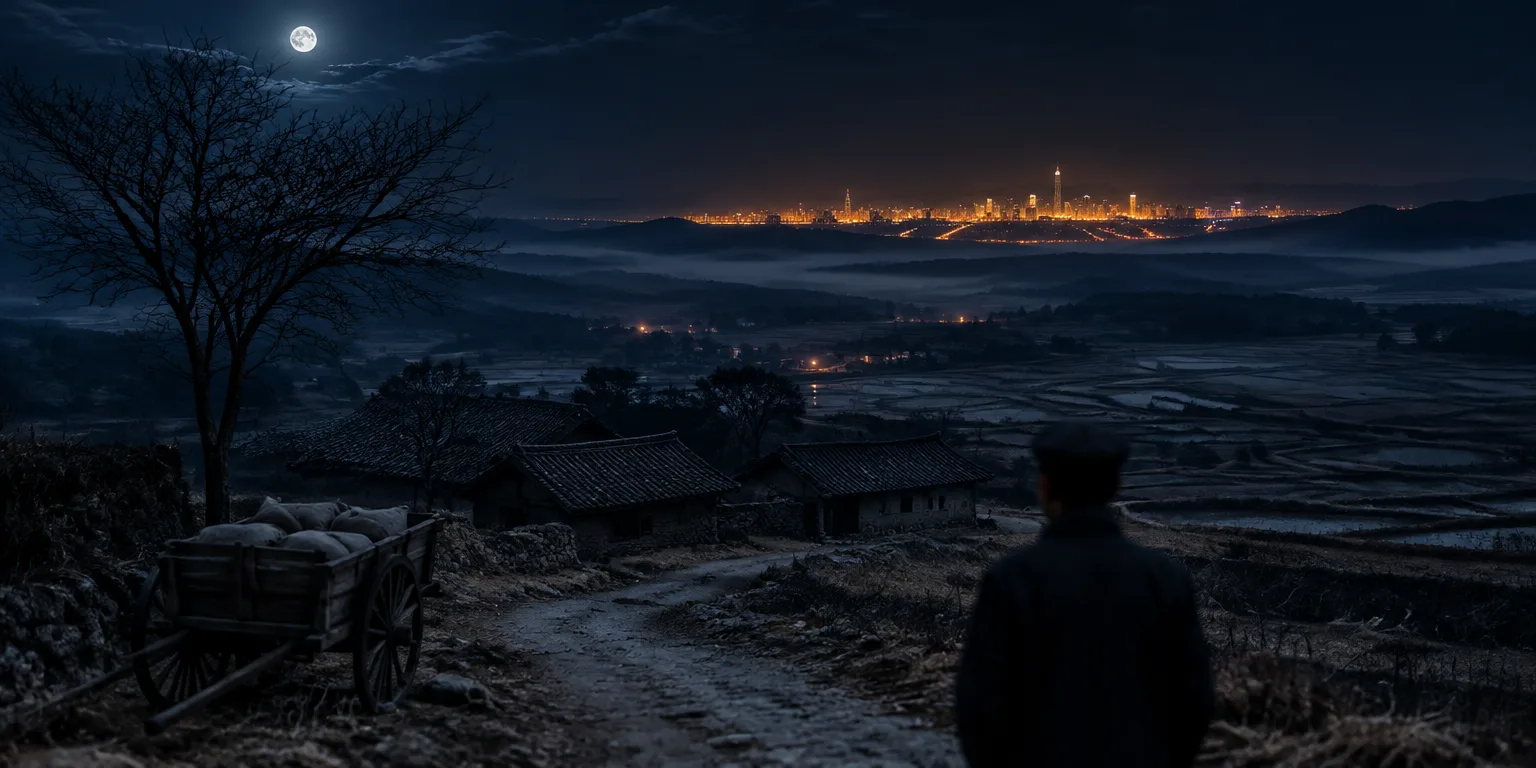
The government's answer, as Park describes it, was to save the capital and let the countryside starve. The plan protected the roughly 10 percent of the population living in Pyongyang, the capital, while people in the 13 other districts were left to fend for themselves.
Park says this was deliberate. She says people consumed with finding their next meal could not think about the meaning of life or shooting to the moon.
Pyongyang also refused help from outsiders. As Park describes it, the international community begged to send food, baby formula, and medicine, including through the United Nations, but leader Kim Jong-il refused because he wanted to remain the sole provider, so North Koreans would not learn that relief came from anyone else.
Juche, an ideology whose name means self-reliance, emerged in this period, Park says. She says the regime stopped providing rations and told ordinary people to be self-reliant and find their own way to survive, even though private trading was illegal. As Park puts it, people had to take care of themselves while giving every right to the state.
Questions people ask
What exactly is Juche?
Juche is North Korea's official ideology, usually translated as self-reliance. It teaches that the nation and its leader provide guidance, and that citizens should depend on their own efforts rather than foreign powers.
How many people died in the famine?
Estimates vary widely because North Korea does not publish reliable records, but researchers commonly estimate hundreds of thousands to more than two million excess deaths in the 1990s. Park says three million people died on the streets. The exact number remains uncertain.
Why would a government refuse free food for starving people?
According to Park, leader Kim Jong-il wanted to be seen as the only provider for his people. Accepting large-scale foreign food aid could undermine that image and let ordinary North Koreans know they were being kept alive by outsiders.
Why did the capital fare better than the countryside?
Pyongyang is North Korea's capital and home to trusted elites, government workers, and better supplied stores and hospitals. The countryside had fewer rations, weaker infrastructure, and less political favor, so hunger hit there first and hardest.