Oatly Sold Only in Coffee Shops at First, Then One Carton Brought $86 Online
The company avoided grocery samples because the drink looked grayish beige, and wanted the first taste to be a latte.
 Gastropod · Plant Milk Proliferation: Oat, Soy, Almond, and More, But Which Is Best?
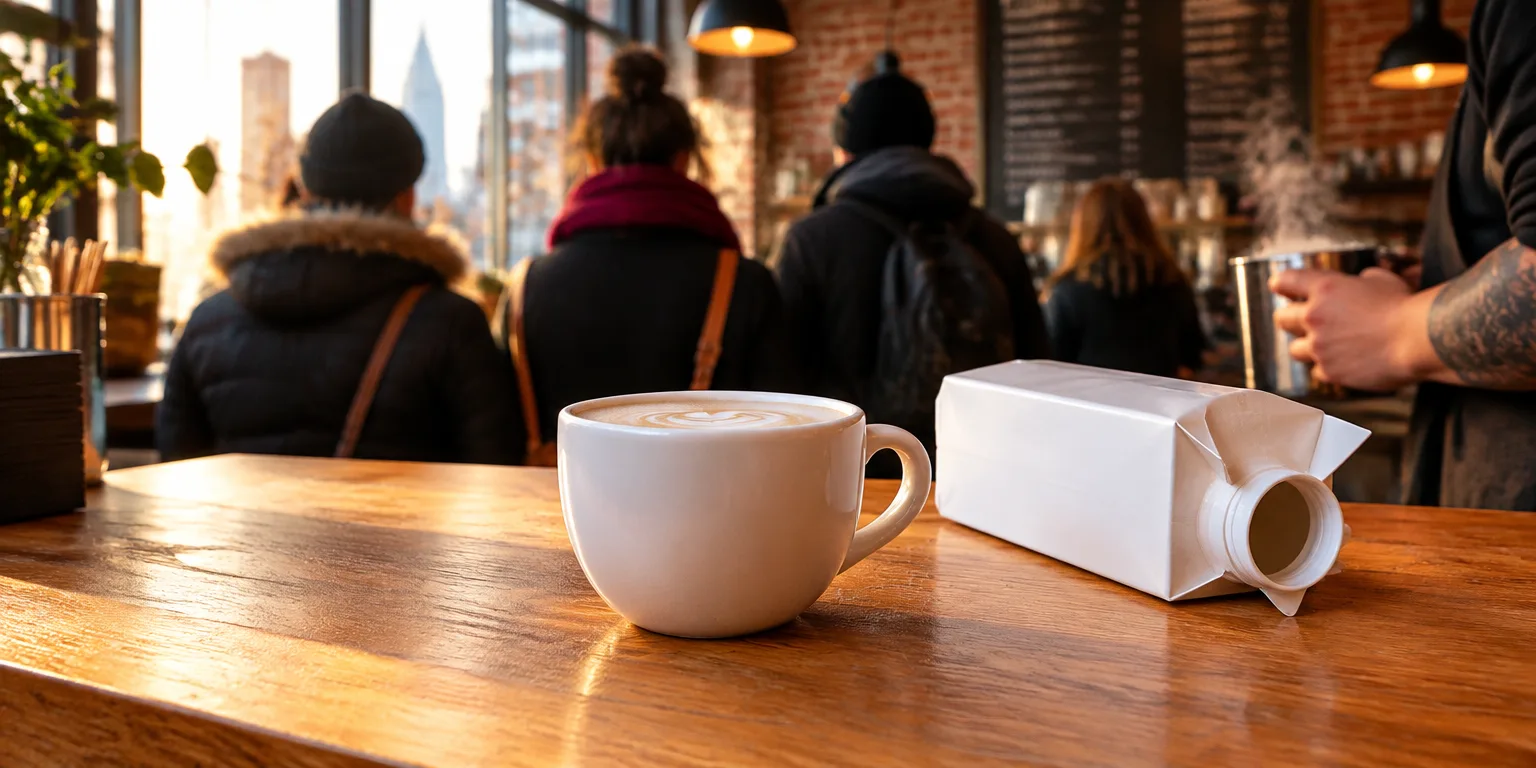
Standing in line at a Brooklyn coffee shop in late 2016, you could hear the new order before you saw it. A cool barista with a sleeve tattoo would call out, "Oat milk latte for Mike," and other customers in line would copy it and order one too.
Mike Messersmith of Oatly's North American team was sometimes the Mike waiting for a different drink. He watched strangers hear the call and copy the order.
The company wanted Americans to meet oat milk for the first time as a latte. That preference shaped how it introduced the drink in the United States.
Oatly traces back to work in Sweden during the nineties led by scientist Rickard Öste, who with his brother was studying how dairy farming affects the climate and wondering if there was a different way to make a widely used drink.
Messersmith said the team screened farm crops for what could thrive in chilly climates with low water and land use, then for nutrition and for neutral taste that would work in cereal and coffee. Oats fit because they could prosper even in Sweden, where it is cold and dark for much of the year and rains a lot.
Simply grinding oats and boiling and straining them lost the fiber, so Öste developed an enzyme process that liquefies the oats entirely, keeping much of the soluble fiber, and a second method to make that liquid smooth and drinkable. For coffee, the team developed a Barista Edition with a specific balance of fat and foaming ability, refined through repeated testing with coffee professionals in Europe and then in the United States.
Messersmith said poured from a carton, the drink sometimes looks like a strange grayish beverage, greige, meaning a grayish beige. So the team avoided offering tiny sample cups in grocery aisles and instead sold Oatly only to coffee shops at the American launch in 2016. It hired baristas as its sales team to serve the same espresso drinks made with dairy and with Oatly, so customers could compare them in coffee.
Within months, Oatly was popular in trendy Brooklyn shops. Customers who also wanted it at home asked baristas for four cartons to go, but supply was limited to a few shops. Some buyers resold cartons online for unusually high prices.
Messersmith said he thought his mother had paid about $86 for a carton on Amazon for delivery to Dallas, Pennsylvania, in 2016. She asked why it cost so much, since regular milk at the grocery store is about five bucks, saying in his account of her words, "it's, like, five bucks."
Questions people ask
Why does oat milk foam better in coffee than almond milk does?
Dairy milk foams well because its proteins and fats form stable bubbles around air. Oatly adds a small amount of plant oil, usually rapeseed, and adjusts protein and acidity so the liquid can trap air in a similar way without splitting in hot, acidic coffee.
How much does Oatly cost now?
In most U.S. supermarkets today a half-gallon carton sells for around $5 to $6, close to organic cow's milk and well above conventional milk. The $86 price was a brief resale markup in 2016, when Oatly was sold only in a few coffee shops and fans resold scarce cartons on Amazon.
Is oat milk healthier than cow's milk?
For most adults who already get enough protein, researchers say the choice matters little for health. Oat milk has more fiber and less protein than cow's milk, and like most plant milks it is fortified with calcium and vitamins to catch up on what dairy provides naturally.