Obama's "Yes We Can" Started as "Sí Se Puede"
It was coined by farmworker leader Dolores Huerta, who was arrested 22 times and organized into her 90s.
 The Headlines · At Least 68 Killed in Spain Train Crash, and Democrats’ Secret Effort to Stack Alaska’s Ballot
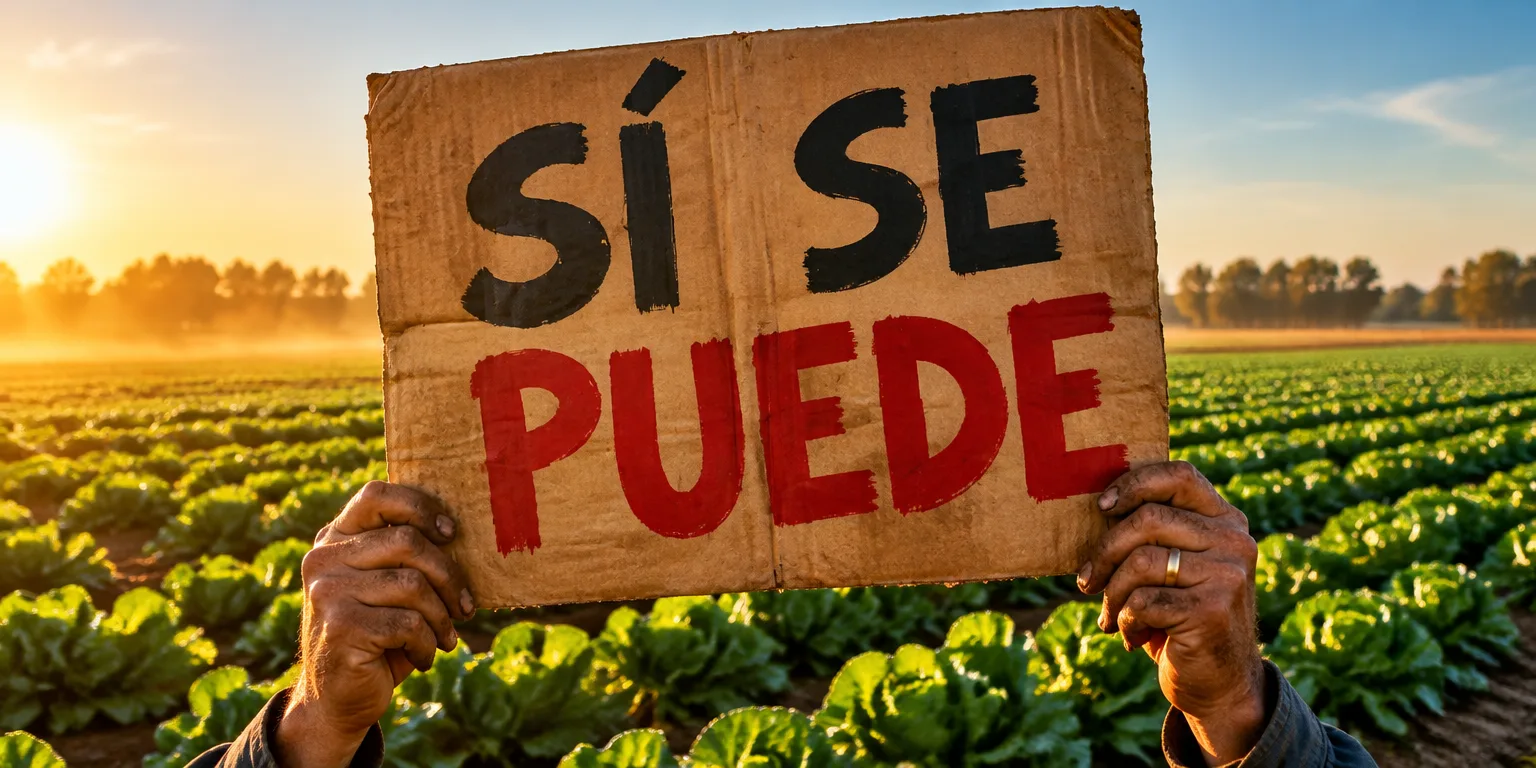
Barack Obama's "Yes We Can" began as "Sí Se Puede," a rallying cry coined by farmworker leader Dolores Huerta, who died at 96.
Huerta came up with the phrase, which translates roughly as yes, we can, while organizing with the farmworkers union movement. It caught on, and Obama later adopted it when he ran for president. Today the chant still rises at progressive rallies and marches across the country.
The slogan fit a life built on persistence. Huerta, a mother of 14 who sometimes changed diapers between organizing meetings, was arrested 22 times and took beatings from police and strikebreakers while following Martin Luther King Jr.'s example of nonviolent protest. She kept organizing into her 90s, once cutting an interview short so she could rest before traveling to give a speech.
Questions people ask
What was the farmworkers union movement Huerta worked in?
Huerta co-founded the farmworkers union movement in the 1960s with Cesar Chavez to win better pay and working conditions for people who pick crops in California and elsewhere. She was a negotiator, boycott organizer, and lobbyist, and she became one of the most prominent labor and civil rights advocates in American history.
Why did 'Sí Se Puede' catch on?
She said she coined it during a dispute within the movement, urging unity when others thought a campaign in Arizona could not be won. The short, affirmative phrase was easy to chant at marches and strikes, and it spread well beyond farm labor to immigration, labor, and civil rights protests.
How did Obama come to use it?
Obama used 'Yes We Can' as a central slogan of his 2008 presidential campaign, often closing speeches with it. His campaign acknowledged its roots in Huerta's phrase, and Huerta herself campaigned for him. The slogan helped link his candidacy to grassroots and Latino organizing traditions.