Oil, Coal and Gas Still Supply 90% of World Energy
Wind and solar together supply only about 5%, and rising demand has absorbed years of new capacity.
 The Tucker Carlson Show · Trump’s Energy Crisis Causes Food Shortages, Skyrocketing Prices, and Global Suffering. What’s Next?
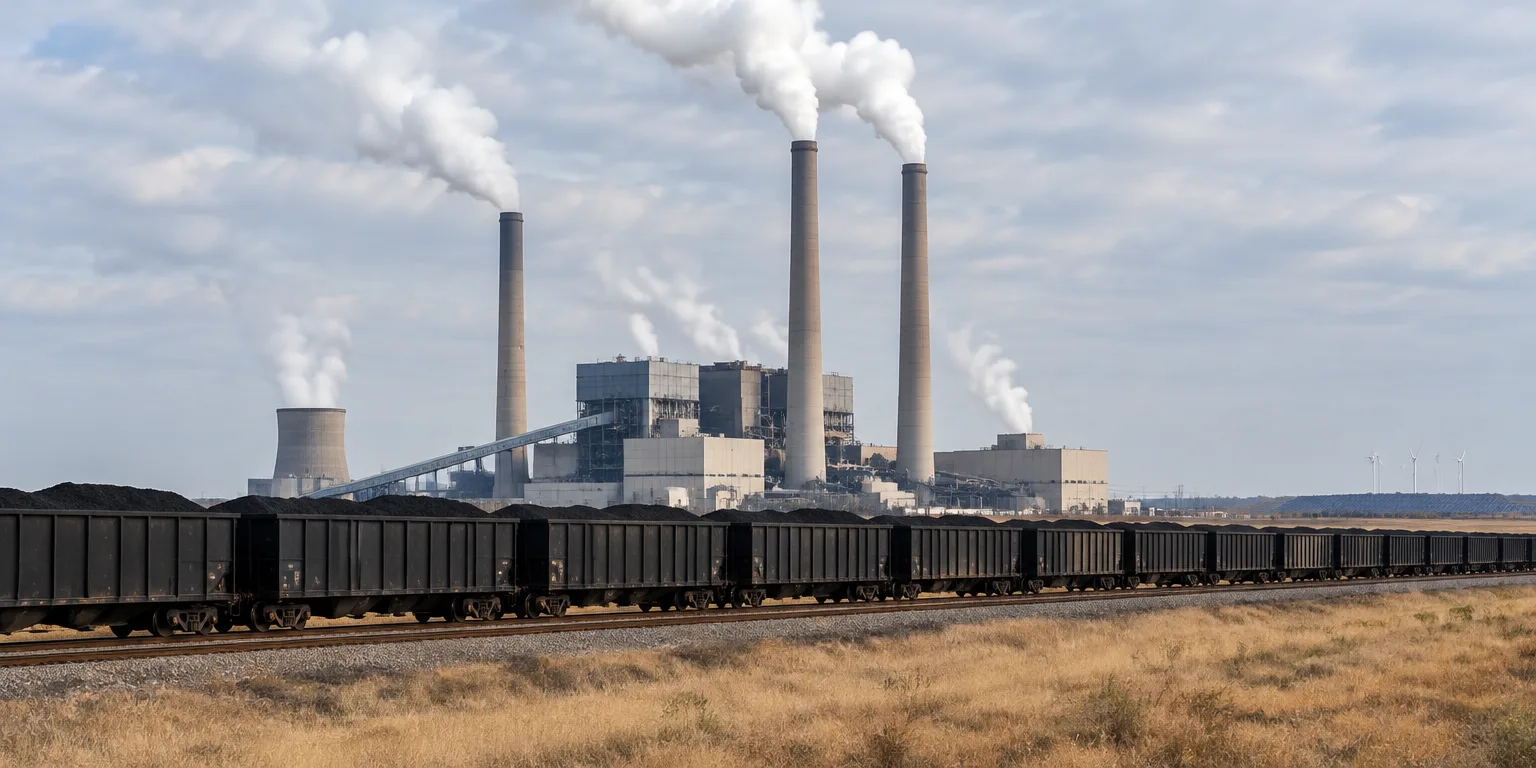
About 90% of the world's energy still comes from oil, coal, and natural gas, according to guest Morgan Downey.
The three fuels each supply roughly one third of that total. Nuclear power and renewables make up the rest, with wind and solar together accounting for only 5% to 6%.
That smaller share has barely moved because rising global demand has absorbed years of new solar and wind capacity. The mix today looks much as it did 50 years ago.
China gets roughly three-fifths of its energy from coal, and India gets roughly four-fifths from coal. Modern life, from electricity to plastics and petrochemicals, still sits on top of hydrocarbons.
Questions people ask
Does that 90% figure cover electricity or all energy?
All energy means more than electricity. It includes fuel for cars, trucks, planes, and ships, heat for homes and factories, and energy used to make steel, cement, plastics, and fertilizer.
Why hasn't all the new wind and solar raised their share?
Adding solar panels and turbines increases total clean electricity, but total energy use is also rising with population and economic growth. If both grow at once, the percentage from wind and solar can stay nearly flat.
Does Downey say people just want to keep polluting?
No. Downey says even people who work in oil, gas and coal want to be environmentally conscious, and that no one wants to pollute. His point is that modern life still needs energy to operate everything, so hydrocarbons remain hard to replace.