Old Computer Upgrades, Not Hackers, May Explain the Outages
AI is making long-delayed upgrades cheap enough to attempt, and the work itself can break brittle systems.
 The AI Daily Brief: Artificial Intelligence News and Analysis · Why the AI Kids Hate Astra 6.2
In the past week, outages hit Microsoft Outlook, the Federal Aviation Administration, big U.S. banks including JPMorgan, and the National Security Agency's internal network for classified information, with disruptions also reported at Apple and United Airlines.
It looked to some like a coordinated attack, possibly aided by artificial intelligence. Sources who spoke to CNN said there was no evidence of a cyberattack at this stage, and the NSA said it "experienced temporary degradation during scheduled routine maintenance," with mission-critical capabilities still operating.
One possible AI-related explanation is less alarming. Organizations may be rushing to modernize old computer systems, and the upgrades themselves may be causing the failures.
Martin Casado, an investor at venture capital firm Andreessen Horowitz, compared the moment to Y2K, when he said the main service disruptions came from improvement projects.
After reporter Ashley Gold questioned federal cybersecurity official Sean Cairncross about whether the outages could be a cyberattack, he said the country was seeing service disruptions coming "from updating and modernizing legacy systems," and that he expected more.
Two forces may be converging. In a post, Mackenzie Arnold suggested that worries about automated cyberattacks may be pushing organizations to update. At the same time, AI is making upgrades that once seemed impractical cheaper to attempt, alongside experiments with new AI features.
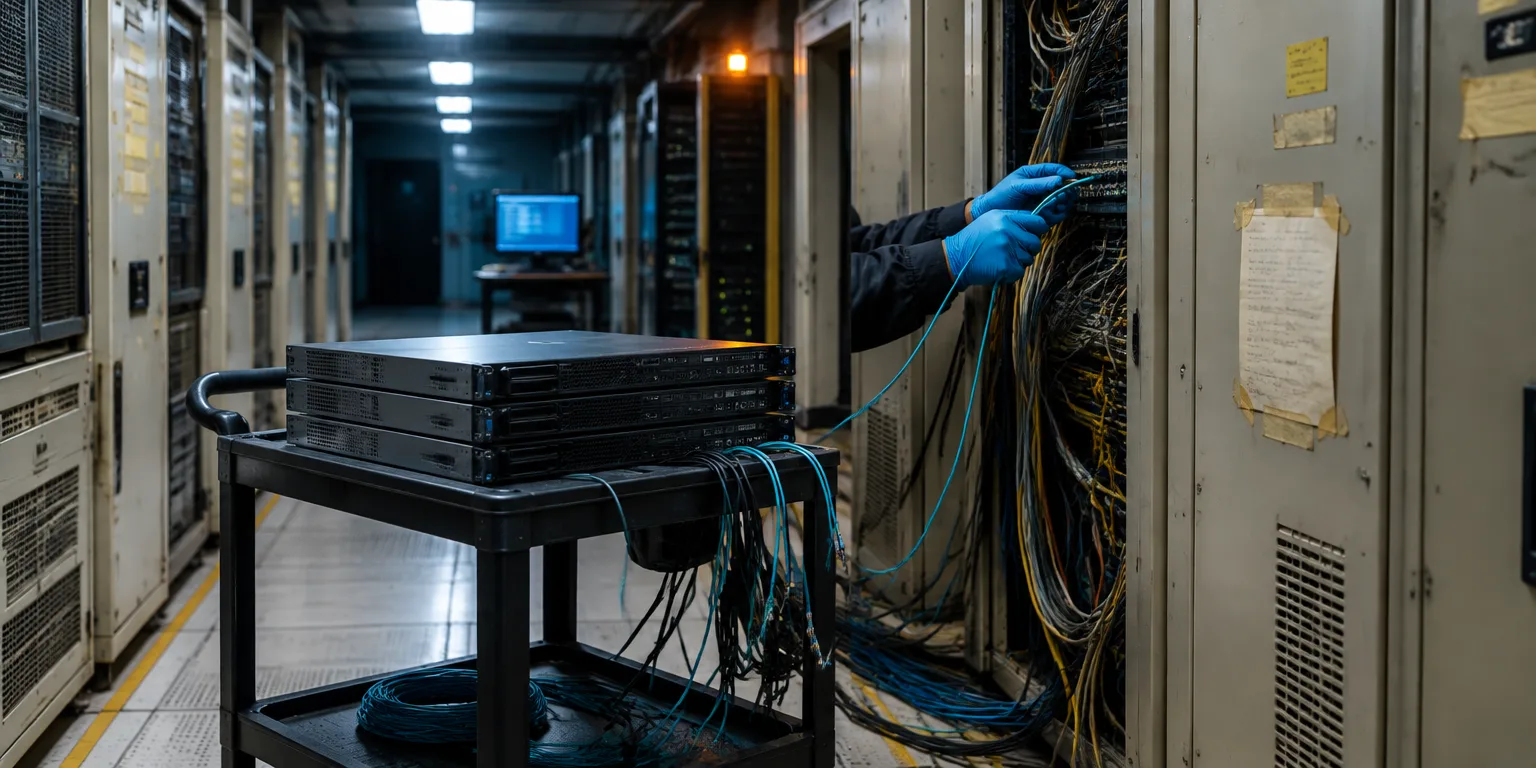
Many of the systems being changed are painfully old, in some cases maintained for decades with workarounds. Touching that kind of foundation can break things that appeared to work.
The timing makes it worse. Because many groups are upgrading at once, specialists who can fix failed upgrades are stretched thin, so more upgrades mean more chances for things to break.
That suggests more noticeable outages may be part of getting ready for future attacks, not evidence that the attacks have begun.
Questions people ask
What is a legacy system?
Legacy systems often run essential services on old code, old hardware, and custom fixes added over many years. Documentation may be incomplete, and few people remember why each workaround exists, so even a small change can have unexpected effects.
Do organizations test these upgrades before they happen?
Yes. Vendors and large organizations usually test updates, roll them out in stages, and keep backup systems ready. But complex systems still fail in ways testing does not catch, especially when old software must interact with new tools.
Why upgrade now if upgrades cause outages?
Modernization can replace unsupported software, close known security holes, and make systems easier to monitor and repair. The short-term risk is disruption, but the long-term goal is fewer failures and better defense against real attacks.