Old muscle cells may slow down to survive, like animals in hibernation
Blocking a brake protein rejuvenated old muscle repair in mice, but left fewer stem cells alive.
 Science Daily · Old muscle stem cells can act young again but there’s a catch
After his team found a way to make old muscle stem cells act young again, Dr. Thomas Rando, who was senior author of a UCLA study in mice and director of UCLA's Eli and Edythe Broad Center of Regenerative Medicine and Stem Cell Research, offered a warning about what the rejuvenation had cost.
"There's no free lunch. We can improve the function of aged cells for a period of time, for certain tissues, but every time we do this, there's going to be a potential cost and a potential downside," he said.
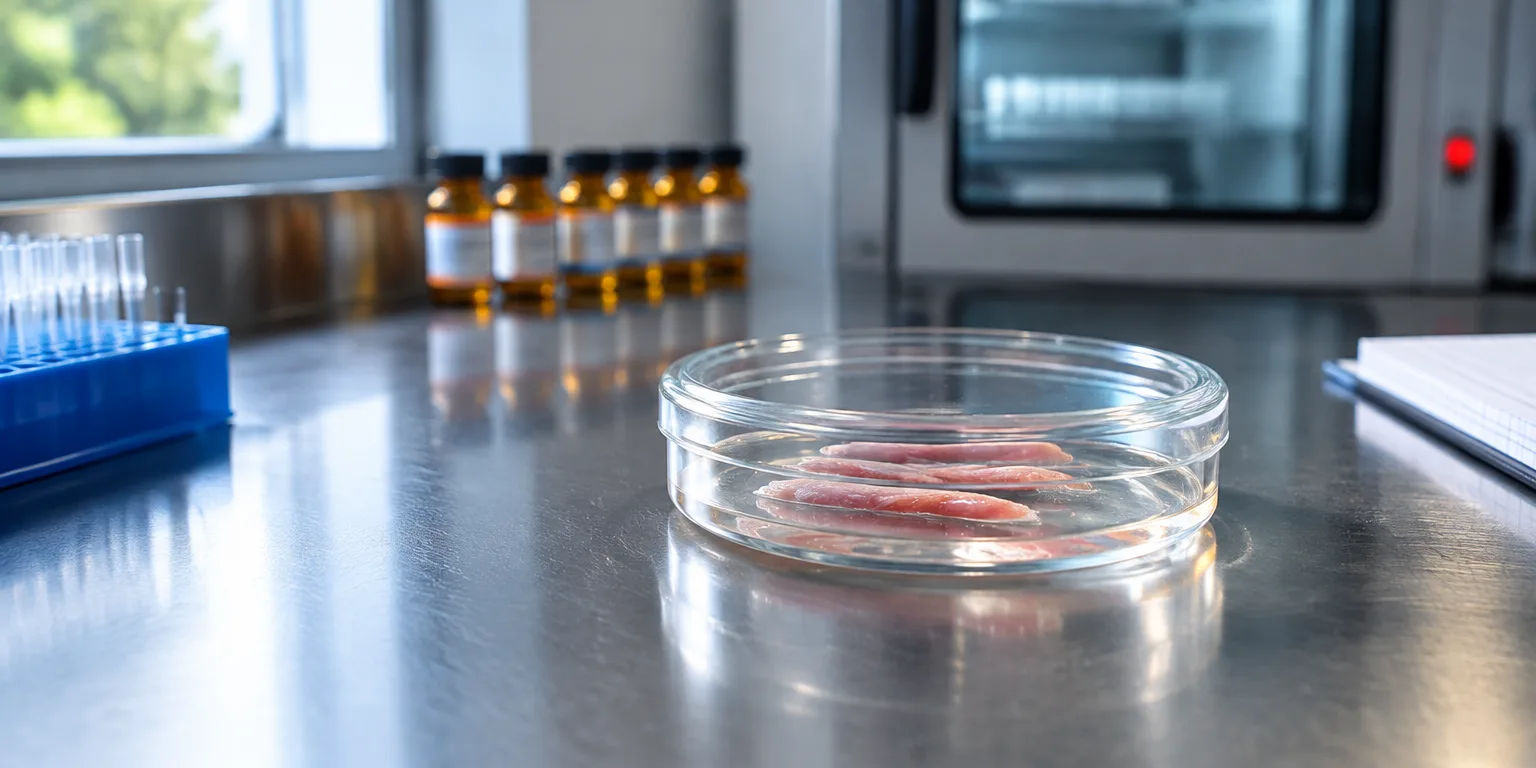
What Rando means is that slowness in old age can be protection. Working with researchers Jengmin Kang and Daniel Benjamin, his team compared muscle stem cells, the reserve cells that wait in muscle and activate to repair injury, from young and old mice. In older cells, levels of a protein called NDRG1 were 3.5 times higher. The protein works as a brake on a growth signal known as mTOR, which usually prompts cells to switch on and grow.
When the researchers blocked NDRG1 in very old mice, about 75 in human terms, the older cells became more active and repaired muscle better after injury. But without the brake, the stem-cell supply thinned out as time passed, and repair held up less well when injuries were repeated. Rando's point is that the cells that persist into old age do so because they excel at endurance rather than repair work, and that slower healing may be needed to keep the reserve from running out.
He sees an analogy in nature, and he puts it carefully. During drought, famine, or extreme cold, he notes, animals shift resources toward survival programs such as hibernation instead of reproduction. He suggests aging muscle stem cells could be following a comparable shift, steering resources away from producing replacements and toward staying alive.
"This gene is almost like our doorway that we've opened into understanding what controls these trade-offs that are so critical, not only for evolution of species but also for the aging of tissues within an individual," Rando said.
Questions people ask
What exactly does NDRG1 do inside the cell?
NDRG1 puts the brakes on a growth pathway called mTOR, which usually prompts cells to switch on and grow. When NDRG1 is high, activation is damped down, so stem cells respond more slowly to injury. That sluggishness goes with greater resilience and longer survival.
Would a drug that blocks NDRG1 help older people heal faster?
This has been shown only in mice; no people were tested. In those mice, blocking NDRG1 improved muscle repair after injury, but the stem-cell supply thinned out as time passed and repair held up less well when injuries were repeated. The idea might inform future attempts to lift repair without losing long-term survival, though Rando cautions that lifting one function may bring unintended consequences.
What will the researchers study next?
The team plans to keep studying the cell chemistry that lets stem cells trade quick repair for long-term survival with age. The goal is to better understand what controls that balance between short-term function and endurance.