Old Phones Kept Working in a Blackout Because the Phone Network Had Its Own Power
The voice in the mouthpiece made a trickle of current, far less than a lightbulb needs.
 The a16z Show · From the Telephone to Modern Computing | James Gleick
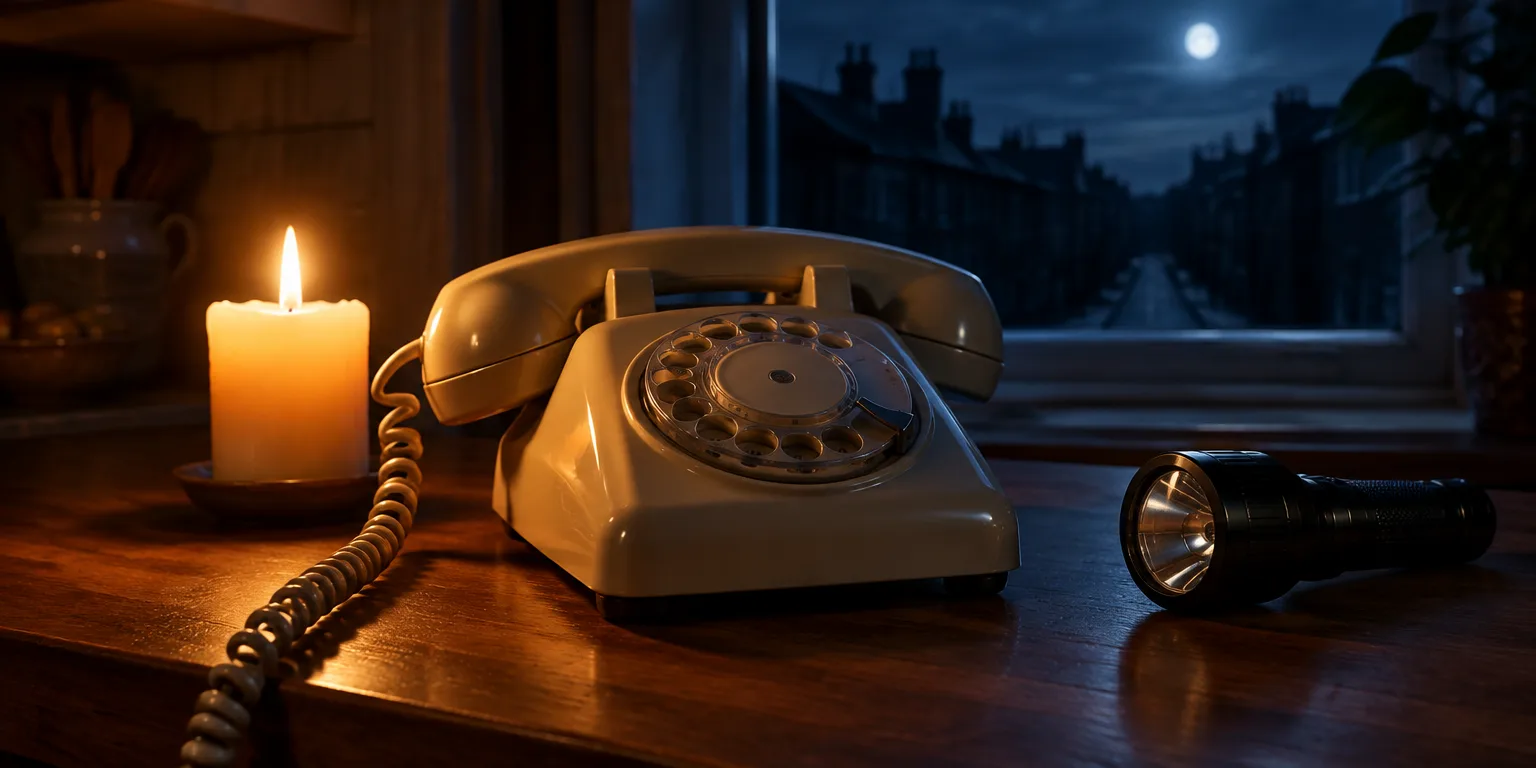
As a boy in New York City during an electrical blackout, author James Gleick watched the lights, streetlights, and traffic signals go dark while his parents brought out candles and flashlights.
To his amazement, the home phone still had a dial tone and could make calls.
The old phone network supplied its own electricity, separate from the grid. It used only a tiny current to carry a voice, far less than an electric light needs but steady enough for a long distance call.
Even dialing stayed physical. The rotary dial signaled the number with a series of clicking sounds sent through the wire.
That self-powered, analog world lasted until computing merged with the telephone lines to make the digital system we use today.
Questions people ask
Why doesn't my cellphone keep working the same way in a blackout?
No. A cellphone needs a nearby tower with grid power, and a cordless home phone needs power for its base. Towers and central offices often have batteries or generators for a while, but once those run out, calls fail.
Do old-style corded landlines still work when the power goes out?
Often yes, for a time. A simple corded phone draws low-voltage power sent from the telephone company's central office, which has large backup batteries and generators. If those backups hold and the lines are intact, the dial tone can survive while the house lights are out.