Once You Build an AI Data Center, You Have to Run It Even at a Loss
Today's high compute prices invite everyone to build at once, and new capacity arrives just in time to crash prices.
 Invest Like the Best with Patrick O'Shaughnessy · Ben Thompson on Big Tech, China, and the AI Boom Running Out of Money - [Invest Like the Best, EP.487]
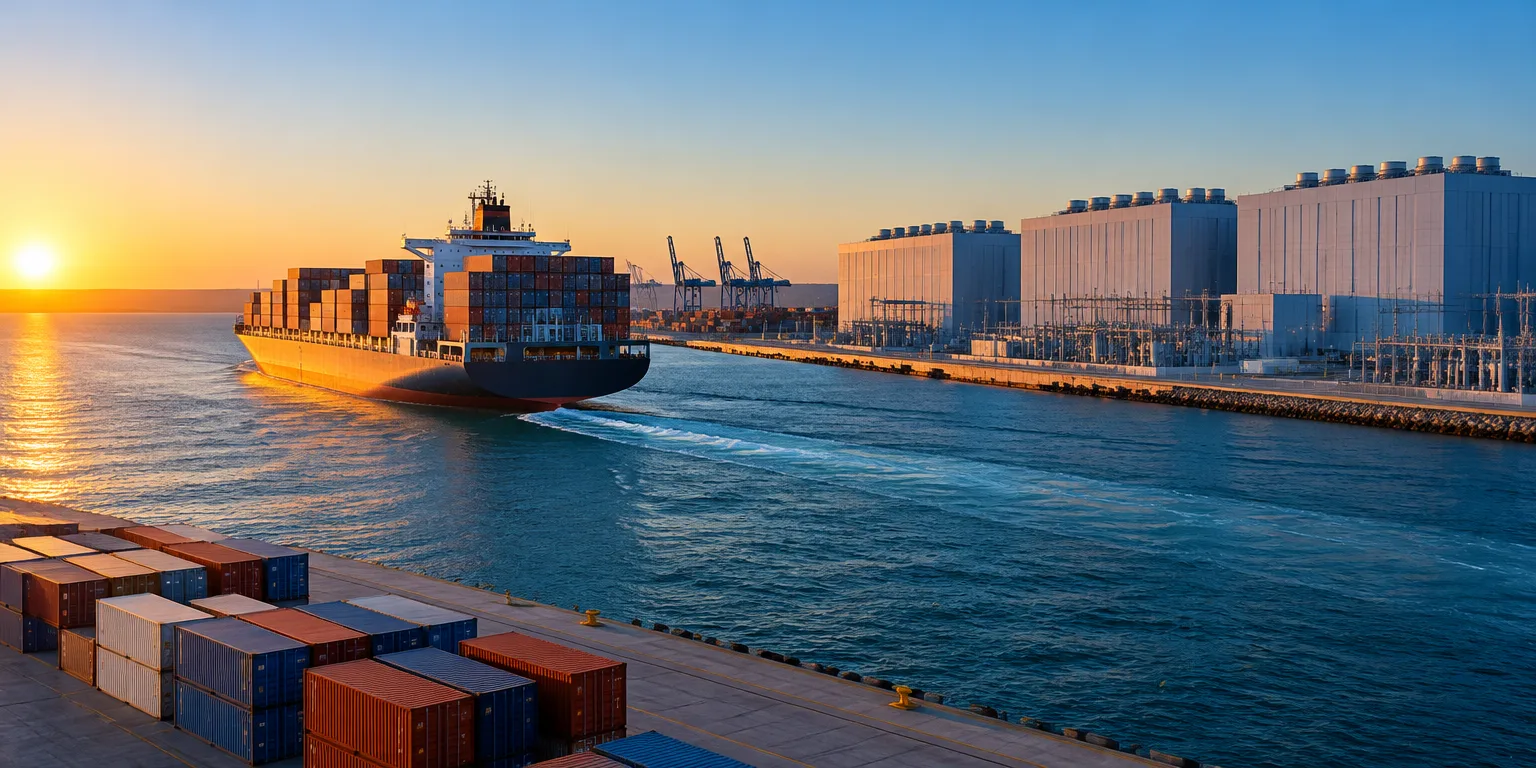
Think of an AI data center as a container ship. Once you have paid to build it, you run it almost no matter what, and that simple fact can turn today's shortage into tomorrow's glut.
Ben Thompson, who studies Big Tech business models, says technology executives often misunderstand this because they are used to a different kind of market. Apple can earn about 50% margins on the iPhone because its software, ecosystem, and third party developers make the phone distinct. In a commodity market, none of that matters, and the cheapest supplier still willing to sell decides the going rate.
Shipping shows how that works. A shipowner has already paid for the vessel, so that cost becomes depreciation on paper. The actual cost of one more voyage is only fuel, crew, and port fees. The owner will therefore keep sailing and cut the price of a container until it barely covers those running costs, even if the accounts show a large loss.
That produces a familiar cycle. Owners lose real cash only when prices fall below even fuel and crew, so some quit, supply shrinks, and prices rise again. When supply is short, the swing is extreme. During the pandemic, Thompson notes, container rates rose from about $3,000-$4,000 to about $17,000-$18,000, and shipping companies made enormous sums in a short time.
The trouble is that a ship takes about two years to build. Every owner sees the same high prices and orders at the same time, so all the new capacity arrives together and prices collapse.
Thompson worries AI computing is headed for the same pattern, much like computer memory, which is famous for booms and busts. Data center builders now justify huge spending with payback periods measured during scarcity. Those returns may not hold in abundance, leaving what he calls an air gap, where the money runs out before AI sales are large enough to pay for the buildout.
Questions people ask
If running at a loss hurts, why not just leave a new data center empty until prices recover?
The shipping logic is that an empty asset still carries costs for interest, leases, maintenance, and staff, while earning nothing. Running it, even at a low price, brings in cash to cover electricity, workers, and some of those fixed costs. As general reasoning, a small cash contribution usually beats no cash at all.
What is the data center equivalent of fuel and crew for a ship?
Mostly electricity to run and cool the equipment, plus networking, maintenance, and staff to keep the site operating. The building and power connections are sunk once they are built, like the hull of the ship. The chips are a separate, faster depreciating cost that still has to be refreshed much sooner than a hull.
Does this mean AI itself is a bubble that will disappear?
Not necessarily. Thompson says he believes AI is real and that its economic impact will be astronomical, even while he worries about financing the buildout. More generally, large infrastructure buildouts have sometimes left behind useful capacity even when early investors fared poorly. The technology can survive while the early owners do not.