Once you like your Snickers, you stop trying other candy bars
Buffett traced the staying power to how shoppers choose, and warned that quick wins can fade quickly.
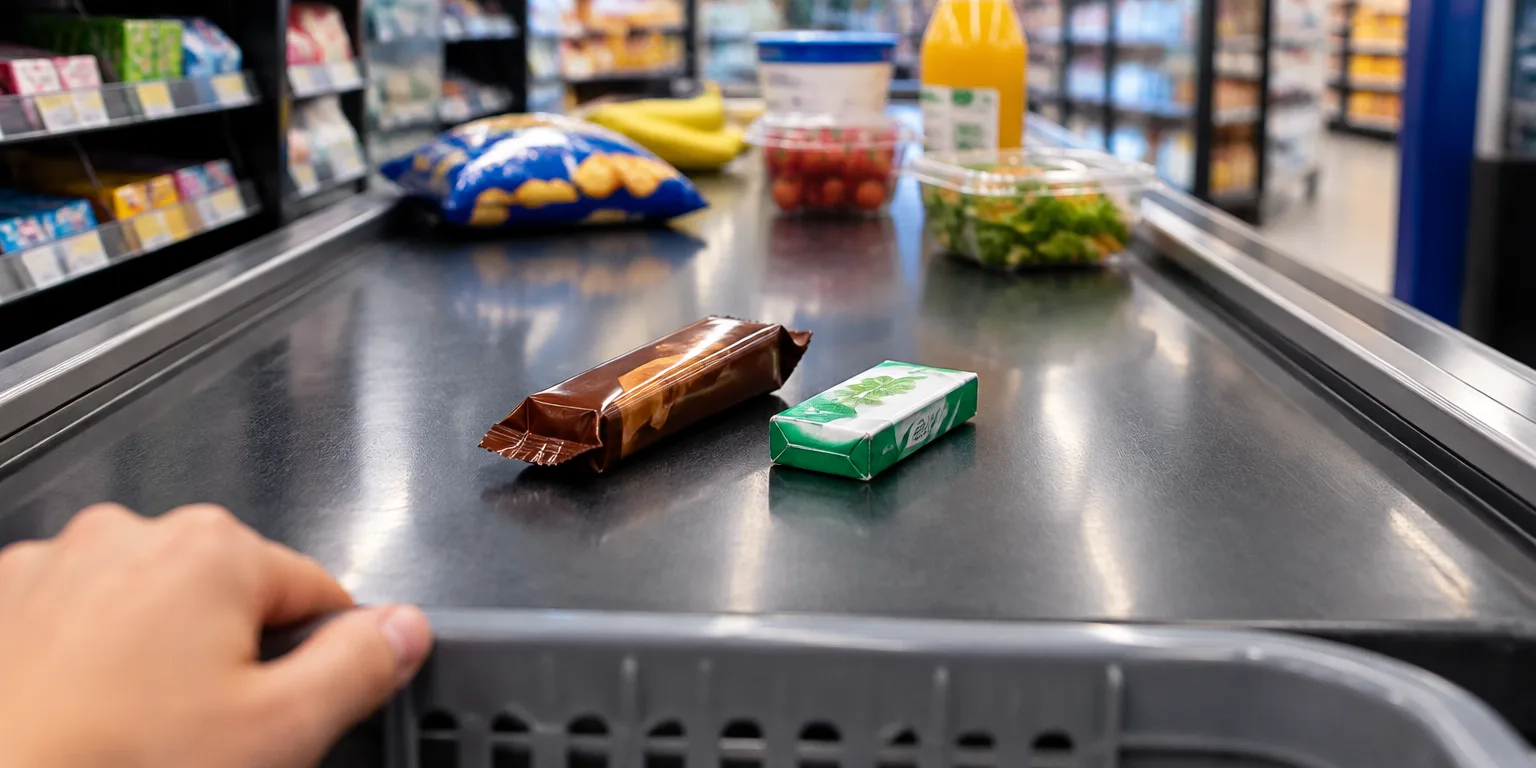
Warren Buffett, answering a question about what he calls a sustainable competitive advantage, said, "Snickers has been the number one candy bar for probably 30 or 40 years." He added that in Russia everybody likes Snickers. He said his own company makes candy and would love to displace the leader, but "it's hard to think of ways to knock them from the number one spot," and his guess was that it will still be number one in 10 years because the list does not change much in that field.
He tied that steadiness to, in his words, "the nature of how you make that choice." My reading of his remarks is that the protection comes from the shopper more than the factory. A buyer finds a bar that pleases him and then sees little reason to keep sampling.
Gum was his clearest example. Buffett said, "there's things that you experiment a lot with and there are things that you don't fool around with once you're happy." If spearmint was the gum you liked five years ago, you are likely to pick it again today. He said, "you can understand that if you observe your own habits and people's habits around you."
That helps explain why candy leadership moves slowly. Buffett also offered the other side of the rule in the same answer. Usually, he said, if something can gain a competitive advantage very quickly, you have to worry about losing it quickly too, because "when an industry is in flux" many expected winners do not prosper. My reading is that Snickers and spearmint look like the opposite case, winners that took a long time to get settled in and may therefore take a long time to fade.
Questions people ask
Why does Buffett expect Snickers to stay on top?
Because buyers who are happy do not keep shopping around, so the ranking seldom moves. He said it is hard to think of a way to knock Snickers off, and guessed it would still be number one in 10 years. That is his expectation, not a promise.
Does he say the same habit protects other products?
In this exchange he talked only about candy bars and chewing gum. My own view is that shoppers often act the same way with other cheap repeat purchases, but that is a general observation about buying habits, not something he said here.
What did he warn about advantages that arrive fast?
He said that when an advantage is gained very quickly, there is more reason to fear losing it quickly. He pointed to industries in flux, where many companies expect to survive and prosper but do not. Slow built loyalty in candy is his contrast to that risk.