One Bullet Had to Climb, Turn in Midair, and Shatter Bone, Then Look New
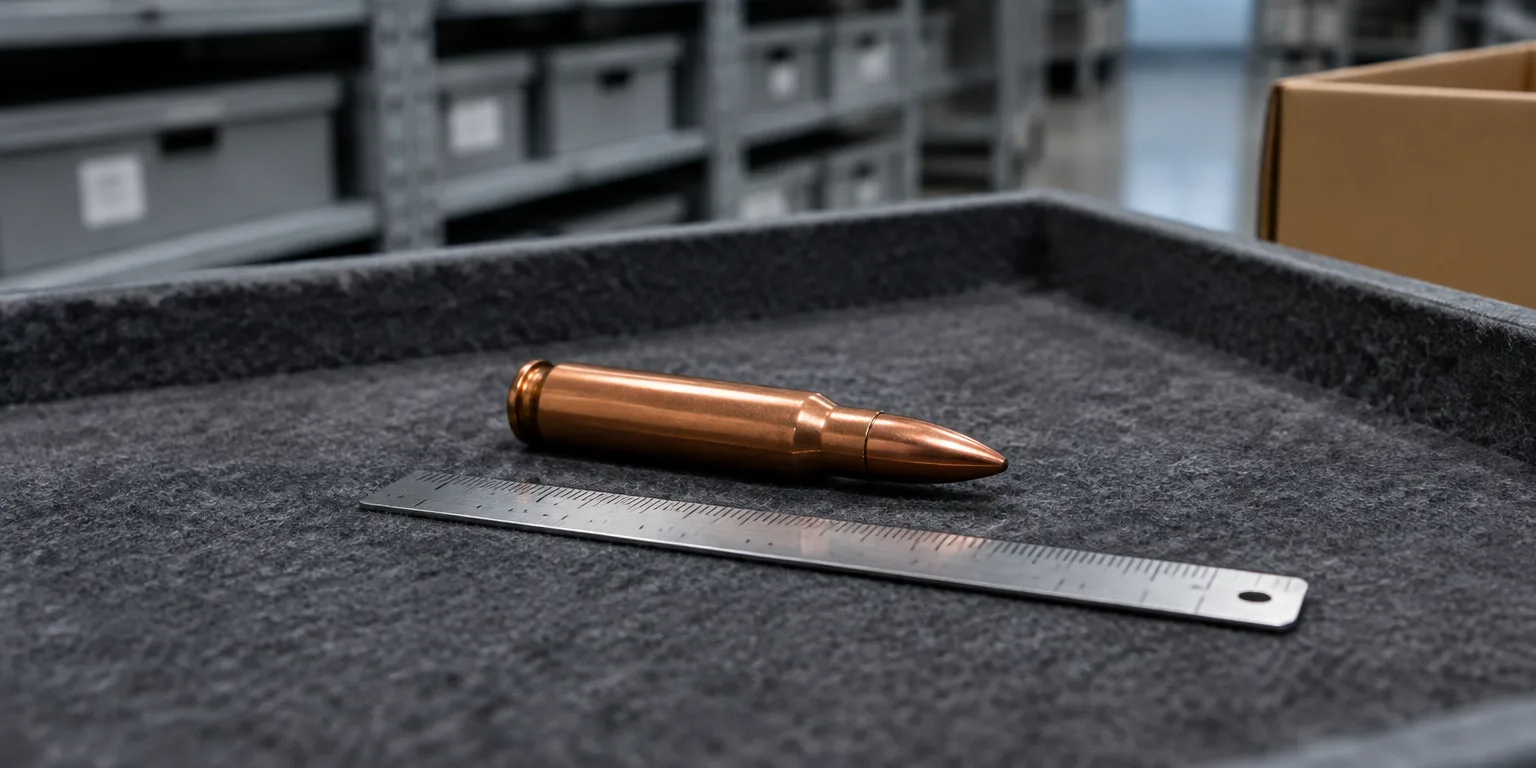
The slug said to have wounded two men was found almost unmarked.
 Who Killed JFK? · Forensics
To make the lone gunman case work, one bullet has to do almost all the wounding. That solution was offered by Arlen Specter, then junior legal counsel to the Warren Commission, in what became the single-bullet explanation.
The journey starts above and behind the motorcade, where the shot is said to have been fired from the sixth floor. Forensic pathologist Dr. Cyril Wecht, who has performed more than 17,000 autopsies and has studied the assassination since the 1960s, describes what the theory then requires. The bullet enters the back of President John F. Kennedy's suit coat, in the upper middle, and moves upward inside the chest at about 11.5 degrees before leaving through the throat.
That upward climb inside the body is the first problem, because a bullet fired downward from above would normally keep traveling down. Then, Wecht says, the bullet moves downward, leftward, and forward as it leaves Kennedy, turns in midair, travels back 18 to 20 inches, and strikes Texas Governor John Connally behind the right armpit.
It does not stop there. It exits Connally below the nipple, sweeps upward into his wrist, shatters one forearm bone into fragments, leaves the wrist, and lodges in his left thigh. Defenders of the theory have suggested Kennedy might have been bent sharply forward when hit, which would change the angles. The film of the motorcade taken by bystander Abraham Zapruder shows him upright, facing the crowd, cheering and waving.
Then there is the condition of the bullet itself. Warren Commission Exhibit 399, the bullet said to have done all of this, is almost unmarked in its archive photograph. Wecht says if he could keep only one piece of evidence from the case, it would be that bullet, because a slug that passed through two men and broke bones should not look pristine.
Questions people ask
What does it mean that Connally's wrist fracture was comminuted?
It means the bone broke into three or more pieces, rather than cracking cleanly in two. That kind of shattering takes substantial force, which is why critics focus on it. Surgeons usually treat it with plates, screws, or pins to hold the fragments in place.
Can a bullet really stay intact after hitting bone?
Yes, especially a military style bullet with a full metal jacket, which is a lead core wrapped in copper to help it hold together. Such bullets are designed to stay in one piece and can pass through tissue with little deformity. They are much more likely to deform or fragment when they strike thick bone at high speed.
Why does it matter whether Kennedy was bent over?
Wound angles depend on body position at the instant of impact. If Kennedy had been leaning far forward, a downward shot from above could line up with an upward track through his torso. Because the film shows him sitting upright, that geometric rescue does not fit.