One Doctor Says a Normal Blood Test Can Still Signal Trouble
One doctor argues that lab ranges are set from unhealthy people, so the real goal is to stay in the middle, not just inside the lines.
 HEALTH TALK AMERICA · Sugar, Antibiotics, and the Trillions of Bugs Running Your Immune System
The question came from a listener named Jessie. She said a recent blood test had flagged trouble in several systems at once, and she wanted to know what to do. Dr. Bob Martin, a doctor answering listener questions alongside fellow doctor Adam Brockman, suggested she get a second opinion and ask about a kidney blood test he said is often missed on standard panels.
Then Martin turned to how those test results get read.
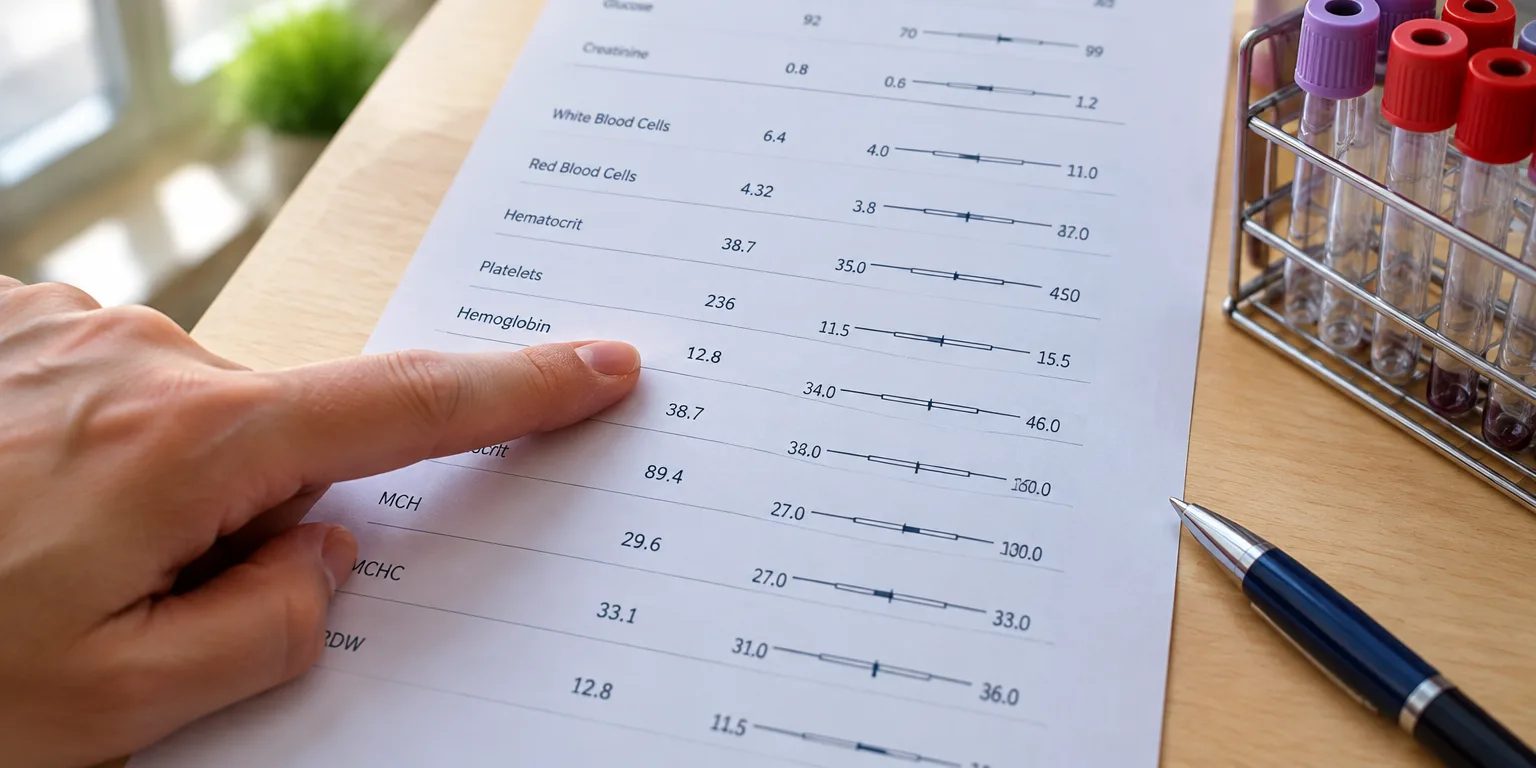
“You can be in that range and still be well on your way to a disease,” Martin said.
By range, he meant the high and low limits printed next to a lab result that define normal. Martin argues those limits mislead people because they are set from the wrong crowd. Martin said most lab ranges “are based on quartiles of very sick people,” and he added that most Americans are sick, so clearing the bar does not mean a person is well. That description of Americans, and of how labs set ranges, is his view, and he cited no data for it in the discussion.
In his view, conventional care reads labs in a way he called “close enough for government work.” A slightly high or slightly low number is watched for six months, then watched again, until the patient, in his phrase, crashes and burns and the disease can be managed with drugs for life. Doctors who practice as he does, including functional medicine doctors who emphasize prevention through food and lifestyle, look instead for what Martin called “the sweet spot,” the center of the range where health is strongest.
His example was liver enzymes, proteins in the blood that climb when the liver is strained. Where he says standard care would keep an eye on a rising number, Martin says he would take immediate preventive action, changing diet and daily habits and supporting the liver’s cleanup work to bring the cells back to life rather than letting the trend continue.
Brockman added a caution that applied to Jessie. When blood, kidneys, vessels, and skin light up together, he said, doctors look for one shared root cause upstream, such as blood sugar trouble, inflammation, or an immune attack on the body, but he was describing a pattern, not diagnosing her. Martin’s own advice was narrower: when a number starts moving the wrong way, even inside normal, he says a person should act right away to prevent a larger crisis.
Questions people ask
How are normal lab ranges actually set?
A reference range is usually set by testing a large group of people and marking off where most of the results fall. If that group includes many people with undiagnosed obesity, diabetes, or inflammation, the high end of normal can drift higher than what is ideal for long term health.
If my result is normal but near the edge, should I worry?
Doctors often watch trends, repeat the test, and consider symptoms, age, medicines, and other risks. Guidelines usually advise against treatment based on one borderline number alone, which is why a result can be both technically normal and worth discussing.