One Honest Cop's Testimony Changed New York Policing
A later review found about 90 percent of officers were taking payoffs, and the inquiry that followed created internal affairs and higher hiring standards.

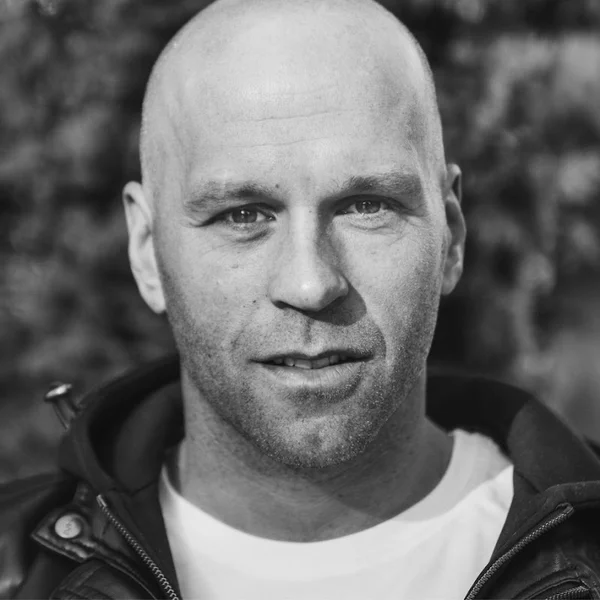 Peter Santenello · New York City’s Hidden Corruption 🇺🇸
Frank Serpico was left on the floor of a heroin sting, shot and apparently dead. His fellow officers did not summon help. A local butcher found him, and Serpico barely survived.
Serpico was a New York police officer in the 1960s who claimed that nearly everyone else in the New York Police Department was taking payoffs, according to Benjamin, a First Amendment attorney who studies corruption.
His account preceded an official inquiry that reshaped New York's police. A later review concluded that about 90 percent of officers were collecting illicit payments, and the investigation that followed created higher hiring standards, better pay, and a separate internal affairs unit outside the normal chain of command that could withstand political pressure.
In the 1960s, Serpico brought his account to major city newspapers, including the Times. The claim sounded so outlandish that reporters largely ignored him for half a decade. He kept taking detailed notes and gathering evidence and receipts, until he and another officer convinced the Times to publish a story.
At the time, officers divided themselves into two groups. The grass eaters accepted small favors, like a few dollars for overlooking a parking ticket. The meat eaters ran organized rackets, much like the mafia. An officer might visit a newly opened flower shop, warn the owner about crime in the area, and suggest that a monthly payment to a police fund would ensure protection.
That Times report came before what became known as the Knapp Commission. Investigators brought officers forward, and officers who had taken money described how extensive and deep the practice was.
After that inquiry, the city adopted changes that now seem like common sense. It improved civil service entrance exams to identify applicants more likely to take bribes, raised salaries so officers could support their families without stealing, replaced wrist slaps with real consequences for breaking the law, and built an internal affairs unit outside the normal chain of command so it could withstand political pressure.
Serpico paid a personal price for providing that evidence. After he testified, he was sent to a heroin sting, was shot, and was left on the floor without assistance from the officers with him. He lived, but exposing his own department made him an outcast in the city.
Questions people ask
Did Serpico stay on the police force?
Yes. He was seriously wounded but survived, and he retired from the New York Police Department in 1972. He later lived in Europe and became a lecturer and advocate for police reform and whistleblower protection.
What was the Knapp Commission?
It was an investigative panel appointed in 1970 by Mayor John Lindsay to examine police corruption. Chaired by lawyer Whitman Knapp, it held televised hearings in 1971 and 1972 where officers and business owners described payoffs and shakedowns in detail.
Are grass eaters and meat eaters still used as terms?
They are still taught in police academies and ethics courses. Grass eaters means officers who accept small bribes when offered, while meat eaters means officers who actively seek out payoffs and run extortion schemes.