One in Five U.S. Households Has Someone on a Weight Loss Drug
That shopper often buys for the whole family, and JP Morgan's base case is that the pullback could cost food makers $30 billion to $55 billion as soon as 2030.
 The Journal. · How Big Food Is Navigating the GLP-1 Era
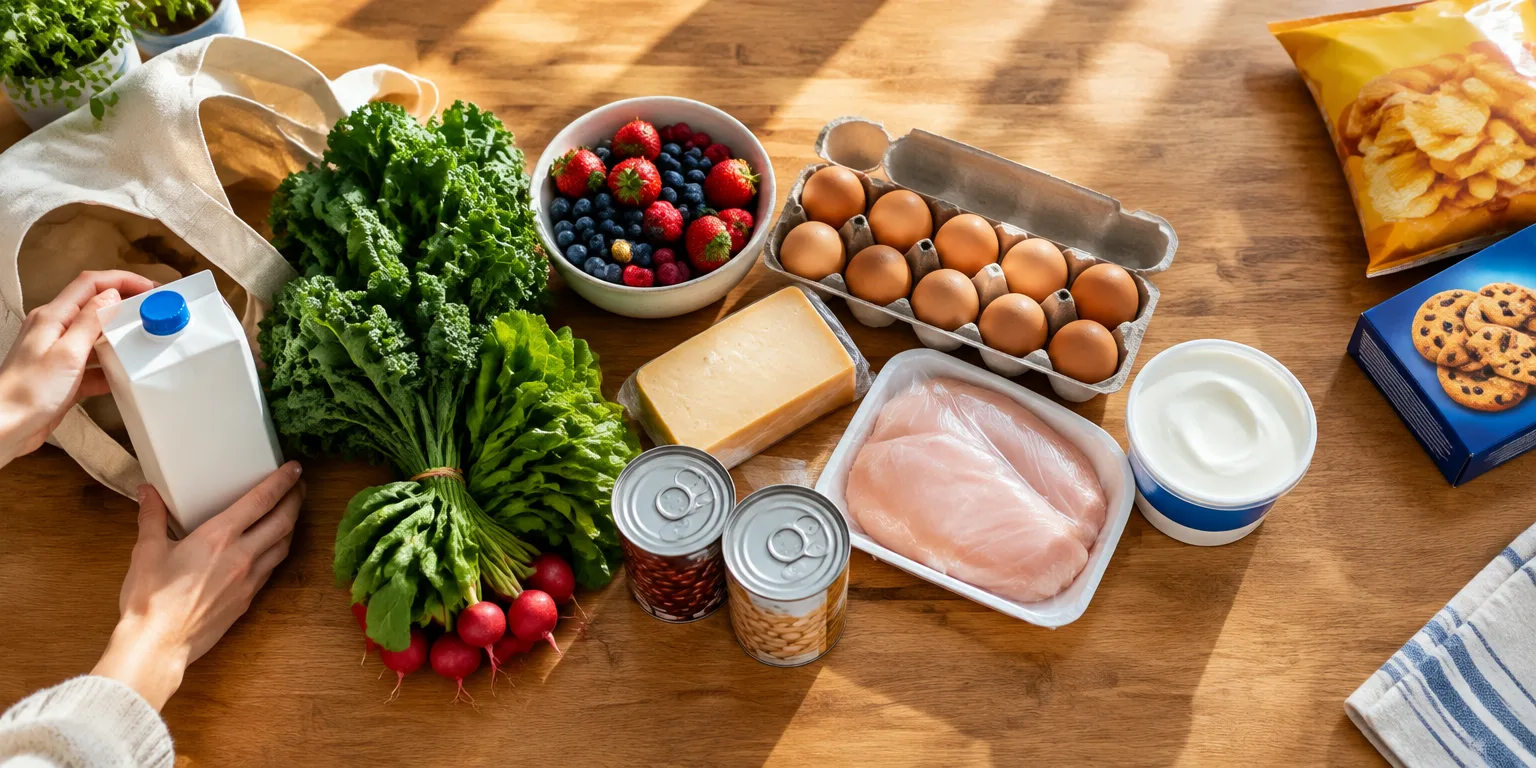
One in five American households includes someone taking GLP-1s, a class of weight loss drugs like Wegovy and Zepbound that cut appetite, according to one report. That matters because that person is often a parent, and often the household's grocery shopper.
That means effects reach beyond the patient, because others in the house share the food that shopper brings home.
For packaged food companies, the shift comes as people are already spending less on food amid higher prices and healthy eating trends. JP Morgan's base case projection is that GLP-1 use could drain $30 billion to $55 billion from food sales as soon as 2030.
The loss stings because some of the people now likely to be on the drugs were once among the industry's biggest buyers.
Questions people ask
What exactly do GLP-1 drugs do?
GLP-1s are prescription drugs developed for diabetes and now widely prescribed for weight loss. Reporter Amira McKee describes users as not feeling hungry for the foods companies make and not experiencing hunger and fullness like an average person.
What foods do people on the drugs stop buying?
One PWC study finds GLP-1 users are most likely to turn away from salty snacks, baked goods, and alcohol. More generally, McKee describes health-minded shoppers moving toward protein, fiber, produce, and fresh foods.
How certain is that $30 billion to $55 billion number?
The number is described only as JP Morgan's base case projection for as soon as 2030, with no detail given on its method. As general context, forecasts like this can shift as drug use and shopping habits change.