One Pristine Bullet Had to Hit Two Men. A Second One Would Make That Impossible.
A Secret Service agent says he picked up an untouched bullet in Kennedy's limousine and left it by the president's foot.
 Who Killed JFK? · The Secret Service Agent Who Witnessed it All [BONUS]
The official account of the Kennedy assassination balances on a single bullet doing an enormous amount of work and surviving almost unscathed.
The account goes like this. One bullet entered President John F. Kennedy's upper back, moved upward through his body, and exited his neck. It then turned in midair, entered Texas Governor John Connally's back, shattered bones in his wrist, and ended up in his thigh. When investigators recovered it, the bullet was virtually pristine.
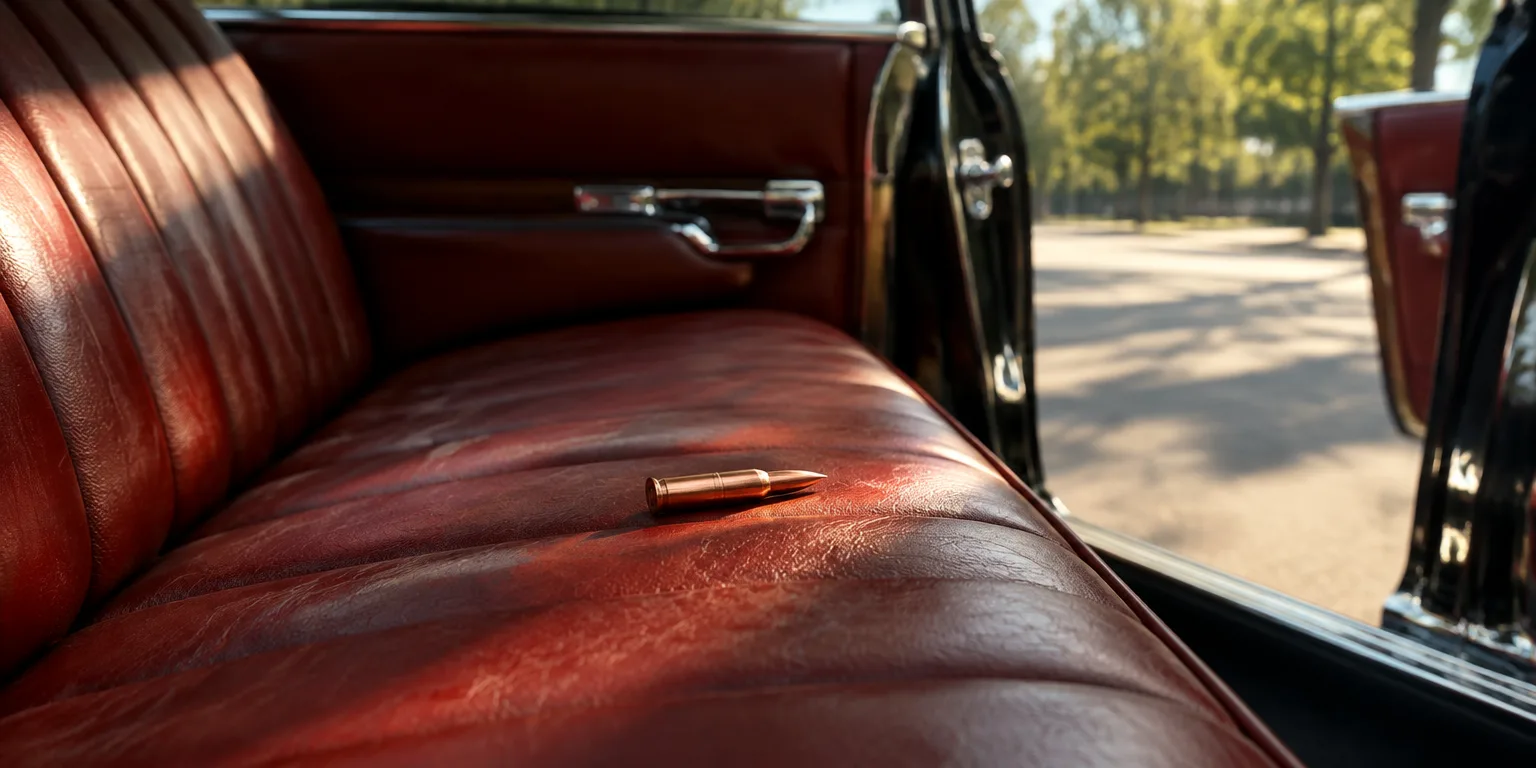
That is the arithmetic that makes a bullet found on the back seat so disruptive. Paul Landis, the 28-year-old Secret Service agent who rode on the side step of the follow-up car just behind the limousine, says that after the shooting he saw a pristine bullet resting on top of the rear seat, just behind where Jacqueline Kennedy had been sitting. It was not squashed or bent, and bore only the fine grooves, called striations, left when a bullet travels down a gun barrel. It looked, he said, as if it had hit nothing.
Landis says he slipped the bullet into his pocket because crowds were converging on the car and he feared the evidence would be lost. Inside Parkland Hospital's Trauma Room 1, pressed against the examination table by the crush of people, he set it beside the president's left shoe so doctors would find it during the examination.
The official record says the pristine bullet was found on Connally's stretcher. Landis says that is false, and that when he later saw a photograph of the bullet in evidence, he recognized it immediately as the one he had moved.
If that identification is right, the official path falls apart. The same bullet cannot both smash through two men and break multiple bones, and also sit untouched on the seat cushion behind them, unless it somehow doubled back into the limousine. And if the seat bullet never struck Connally at all, Landis suggests it may have been the bullet that struck Kennedy in the back, a wound not discovered until the body was back in Washington. Then something else must have wounded Connally, which means more bullets, and more shooting, than the official explanation allows.
Questions people ask
What are striations and why do they matter?
Striations are microscopic scratches left on a bullet when it spins through the spiral grooves inside a gun barrel. Examiners use them like a fingerprint to match a bullet to a particular gun. They also show that a bullet was fired, even if it is otherwise undeformed.
Can a bullet really go through two people and still look pristine?
It is unusual but not impossible, depending on speed, bullet design, and what it hits. Military-style full metal jacket bullets, like those used in Dallas, are designed to hold together and can pass through soft tissue intact. Breaking bone and staying nearly unmarked is what has made this particular bullet so controversial.
Why would doctors miss a bullet wound in the back until Washington?
Emergency doctors at Parkland were focused on resuscitation, not a full forensic exam, and Kennedy remained face up on the examination table. A small back wound could easily go unseen in that chaos. Full autopsies, with the body turned and cleaned, routinely reveal wounds missed in the emergency room.