Ordinary goods travel the world because loading a ship takes hours, not a week
The trip from Europe to Australia fell from 70 days to 34 days, even though ships did not go any faster.
 Wendover Productions · Containerization: The Most Influential Invention That You've Never Heard Of
Not long ago, almost everything ordinary had to be made near the people who used it. Shipping goods over long distances simply was not profitable, so only luxury and specialty items crossed oceans while common goods were produced within a couple hundred miles of their final market.
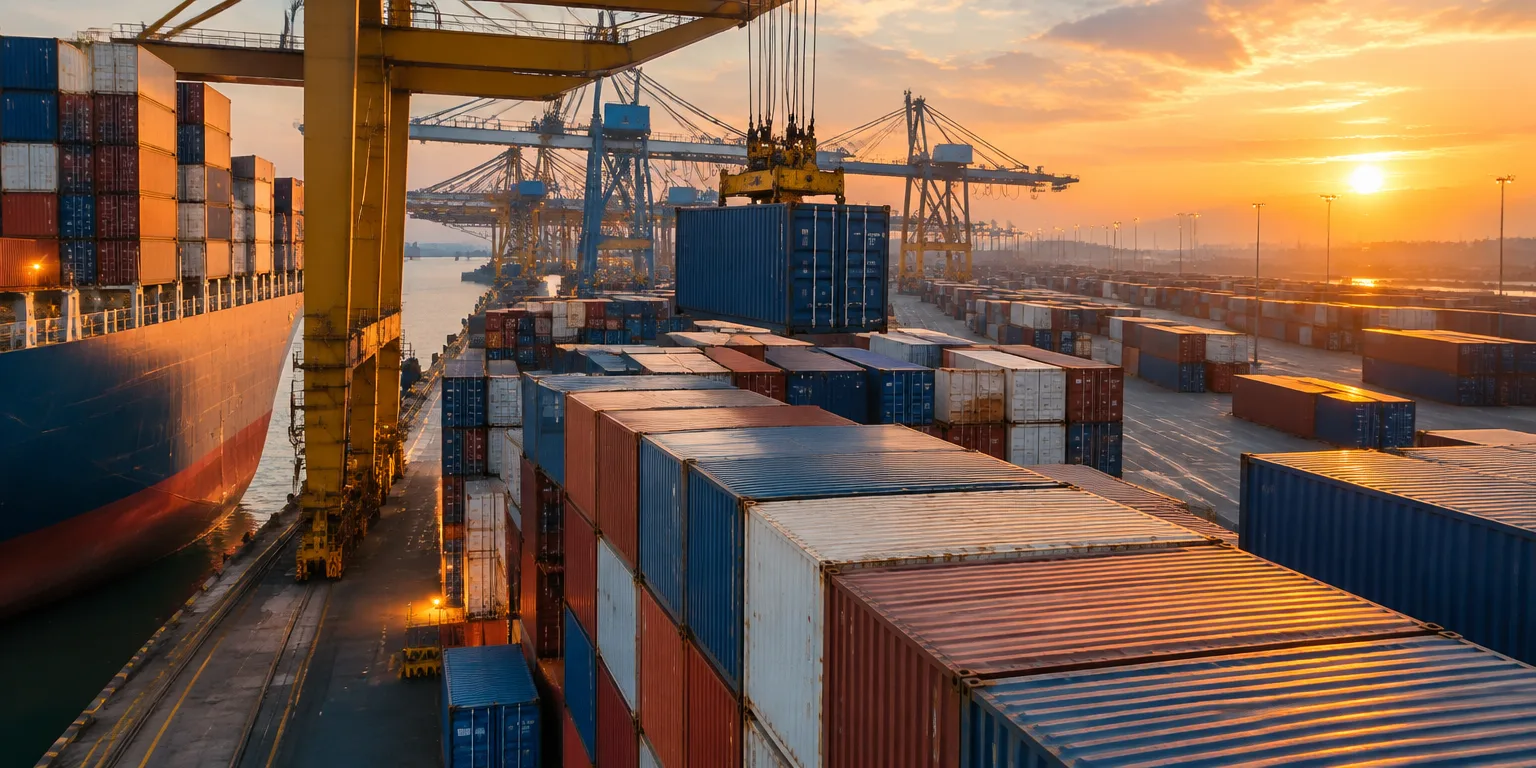
What changed was not the ship. It was the wait in port. With the standard shipping container, a single box that can travel by ship, truck, and train, loading a ship went from taking more than a week to taking only hours. The same box worked anywhere, so shippers did not need new plans for each country. Moving goods got far less expensive.
That time in port explains why the trip got so much shorter. The trip from Europe to Australia fell from 70 days to 34 days without any increase in travel speed. The ships did not go faster. They just spent far less time sitting still being loaded and unloaded, so the whole journey got shorter.
Once loading got cheap and fast, distance stopped mattering the way it once did. It became cheaper to make many products on the far side of the planet since moving them cost so little. New, larger ports built for the boom put places such as Newark and Oakland on the map, and cars came to combine parts from dozens of countries.
The shift is still going. From 1993 to 2002, cargo on average traveled 40 percent farther, while the worth of each ton shipped fell. Goods are being made farther from buyers because shipping is inexpensive.
Questions people ask
If the ships did not go faster, where did those 36 days go?
Almost all of it came out of time in port. Before containers, dockworkers handled cargo piece by piece, and a ship could sit for a week or more at each end. Containers let cranes lift the whole load in hours, so the same ocean crossing took about half as long door to door.
How cheap is shipping for one ordinary item?
Very cheap. On a modern container ship carrying more than 20,000 boxes, moving a pair of sneakers across the Pacific can cost a few cents to a few dollars. That is why a low priced item can still make money after traveling thousands of miles.
Why did Newark and Oakland boom because of containers?
They had room for the new scale. Container ships and the cranes that serve them need deep water and huge flat yards. Newark and Oakland built those bigger ports during the shipping boom, and trade, warehouses, and jobs followed.