Overnight Shippers Make Money by Barely Flying Their Planes
A FedEx jet can sit for 17 hours between flights, so carriers buy retired passenger planes that do not need to stay in the air to pay off.
 Wendover Productions · How Overnight Shipping Works
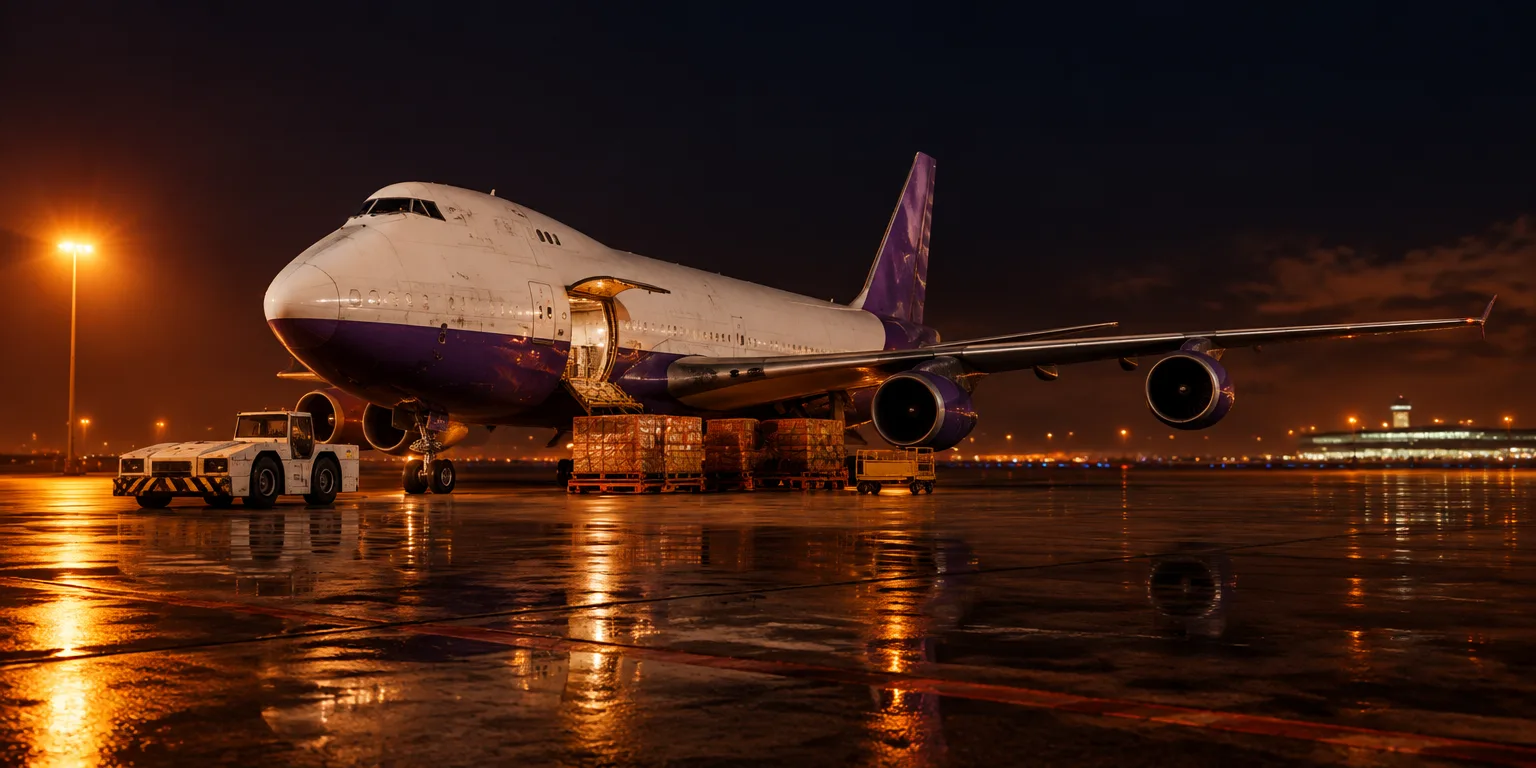
Just after 4 a.m., a FedEx jet leaves Memphis for Oklahoma City. It lands at 5:20 a.m., and then it waits. It sits on the tarmac in Oklahoma City for more than 17 hours, until 10:10 p.m., when it finally flies back to Memphis. On that route, an expensive airplane flies for about two hours a day.
That idleness is not a mistake. It is how overnight shipping works. So much revolves around a brief sorting window at the main hubs that every plane has to arrive at exactly the right moment. Memphis handles some daytime volume, but the vast bulk of its business moves overnight.
Passenger airlines do the opposite. They keep their planes in the air for more than 12 hours a day, about six times as much as that FedEx run, because a new jet can cost hundreds of millions of dollars and has to keep earning to pay for itself. Buying a fleet of brand-new jets to fly only briefly each day would erase FedEx's profit, so it avoids that approach.
The overnight carriers solve that math by buying cheap. They overwhelmingly use old aircraft near the end of their lives. The A300 has mostly disappeared from passenger terminals, but FedEx, UPS, and DHL operate hundreds of them as freighters because secondhand prices are low. Since they spent little to buy them, they do not have to fly them constantly to cover the cost.
There is one exception that proves the rule. UPS owns some brand new 747-800s, which are highly efficient, but it schedules them mainly on its longest routes so fuel savings can pay back what they cost to buy. Older jets may burn more fuel because they are less economical, yet on balance that tradeoff pays because it lets carriers keep aircraft parked most of the day and still profit. It is such a reliable tradeoff that Allegiant Airlines, a U.S. passenger carrier, uses the same strategy, buying cheaper planes so it can profitably fly fewer hours a day.
Questions people ask
Why can an old plane sit idle but a new one cannot?
A cheap secondhand jet costs little to own, so leaving it parked costs little. A new jet carries a huge purchase price that has to be repaid through constant flying, which is why passenger airlines keep new planes in the air more than 12 hours a day.
Are those old cargo planes less safe?
Mostly, no, when maintained properly. Aviation regulators hold cargo and passenger planes to the same maintenance and safety standards, and cargo operators replace parts and overhaul engines on schedule. The main penalties for age are higher fuel burn and more maintenance work, not a lower safety standard.
Why do most cargo planes fly at night while passenger planes fly all day?
They fly at night because promises like delivery by morning require all packages to meet in one place, get sorted, and fly out again before dawn. Passenger demand is spread through the day, so passenger planes can keep flying from city to city without a single nightly deadline.