Paul Graham Blames Teenage Misery on Having Nothing Real to Do
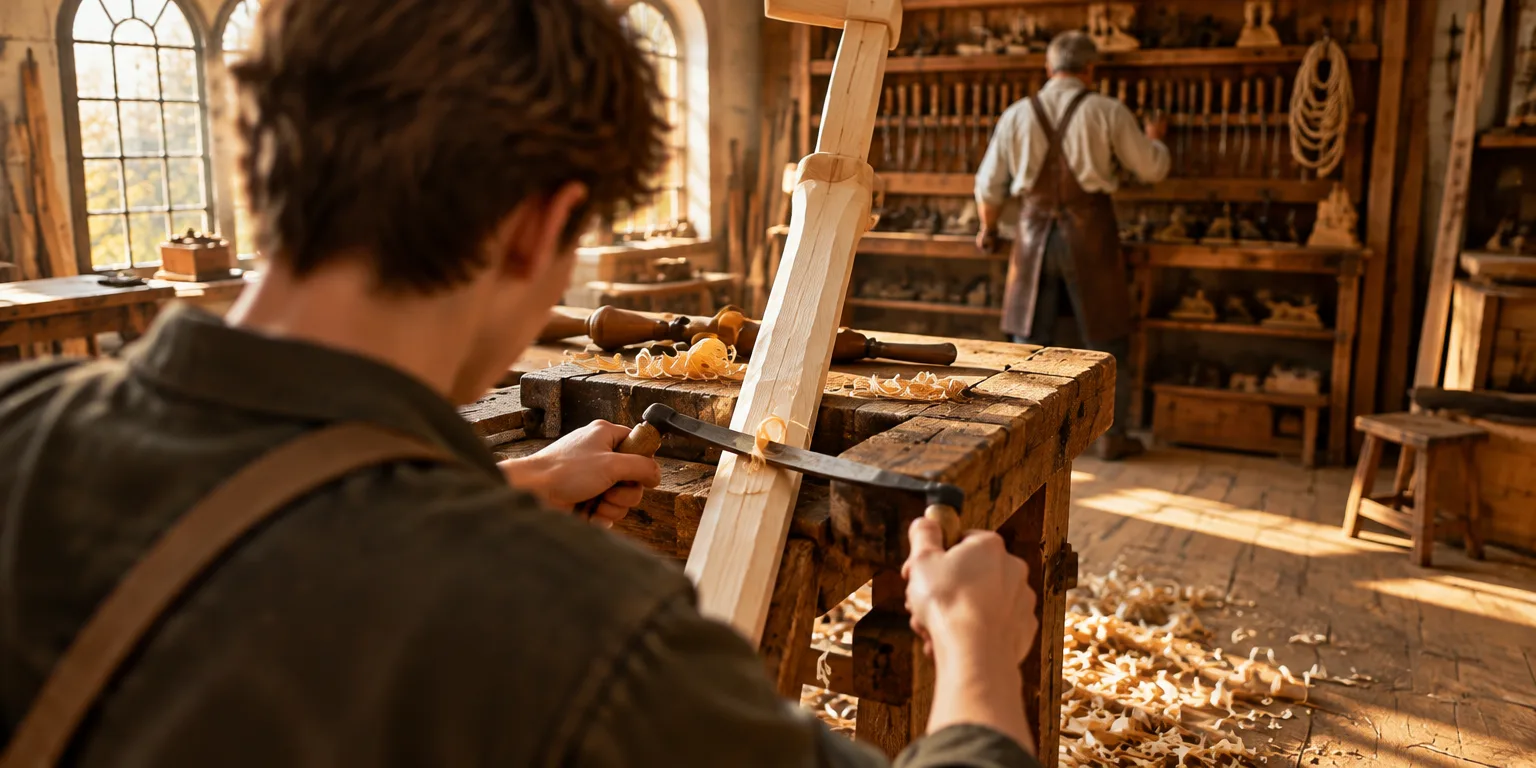
Graham found no record of crazed teenagers before the twentieth century, and says Renaissance apprentices seemed cheerful and eager.
 paulgraham.com · Why Nerds are Unpopular
Paul Graham, the author of the essay "Why Nerds are Unpopular," had a simple suspicion about the standard excuse for teenage misery. Adults see tormented kids and blame puberty, telling themselves that shifting biology is at fault and that the school system itself is fine. Graham did not buy it.
"Are Mongol nomads all nihilists at thirteen?" he asks.
Graham argues that if teenage craziness were physiological, it should show up everywhere and throughout history. He says his own historical reading turned up no mention of wild, nihilistic adolescents in earlier centuries. Teenage apprentices in Renaissance cities, he writes, struck him as upbeat and keen to learn. They fought and played tricks, and Michelangelo even suffered a broken nose in a youthful scuffle, but they were not unhinged.
What changed, in his telling, was suburbia. Graham says the idea of the hormone-crazed teenager appeared at about the same time as suburbia, and he does not think that is a coincidence. He compares Renaissance apprentices to working dogs and modern teenagers to neurotic lapdogs. As Graham puts it, "Their craziness is the craziness of the idle everywhere."
He felt that idleness firsthand. Graham writes that "suicide was a constant topic among the smarter kids." He adds, "No one I knew did it, but several planned to, and some may have tried." He describes most of the talk as a dramatic pose, mixed with real unhappiness that flared at moments.
"Bullying was only part of the problem." He argues, "Another problem, and possibly an even worse one, was that we never had anything real to work on." School meant jumping through made-up hoops, like committing to memory a short list of Civil War causes to recite on an exam, rehearsal for far-off adult jobs the students could not yet picture, with no way to opt out. In earlier eras, he notes, teenagers served as apprentices in shops and on farms and even aboard warships, junior members of grown-up communities. He writes, "Teenagers seem to have respected adults more then" because adults knew the trades they wanted to learn.
Questions people ask
Do hormones play no role at all in teenage moodiness?
No. Puberty brings real mood swings, risk taking, and sensitivity to peers, and modern brain science finds genuine changes in adolescence. Graham's point is narrower, that hormones alone cannot explain the depth and novelty of modern teenage despair, since biology has not changed as fast as teenage life has.
What was life actually like for a Renaissance teenage apprentice?
Apprenticeship usually began around age 12 to 14, lasted about seven years, and mixed hard labor with training in a trade. Masters provided food, housing, and discipline, and apprentices could face beatings, long hours, and little freedom, which is why historians see both purpose and hardship in the system.
Is there evidence that having real work helps teenagers today?
Researchers do link purposeful work, responsibility, and perceived usefulness to better adolescent mental health. Programs such as paid apprenticeships, sustained volunteering, and part-time jobs with real stakes tend to show benefits, especially when teenagers feel competent and connected to adults.