Pedestrians stare drivers in the eye, then look away to force them to stop
The stare says I am crossing, the look away says I am committed, and self-driving cars still fail to read it.
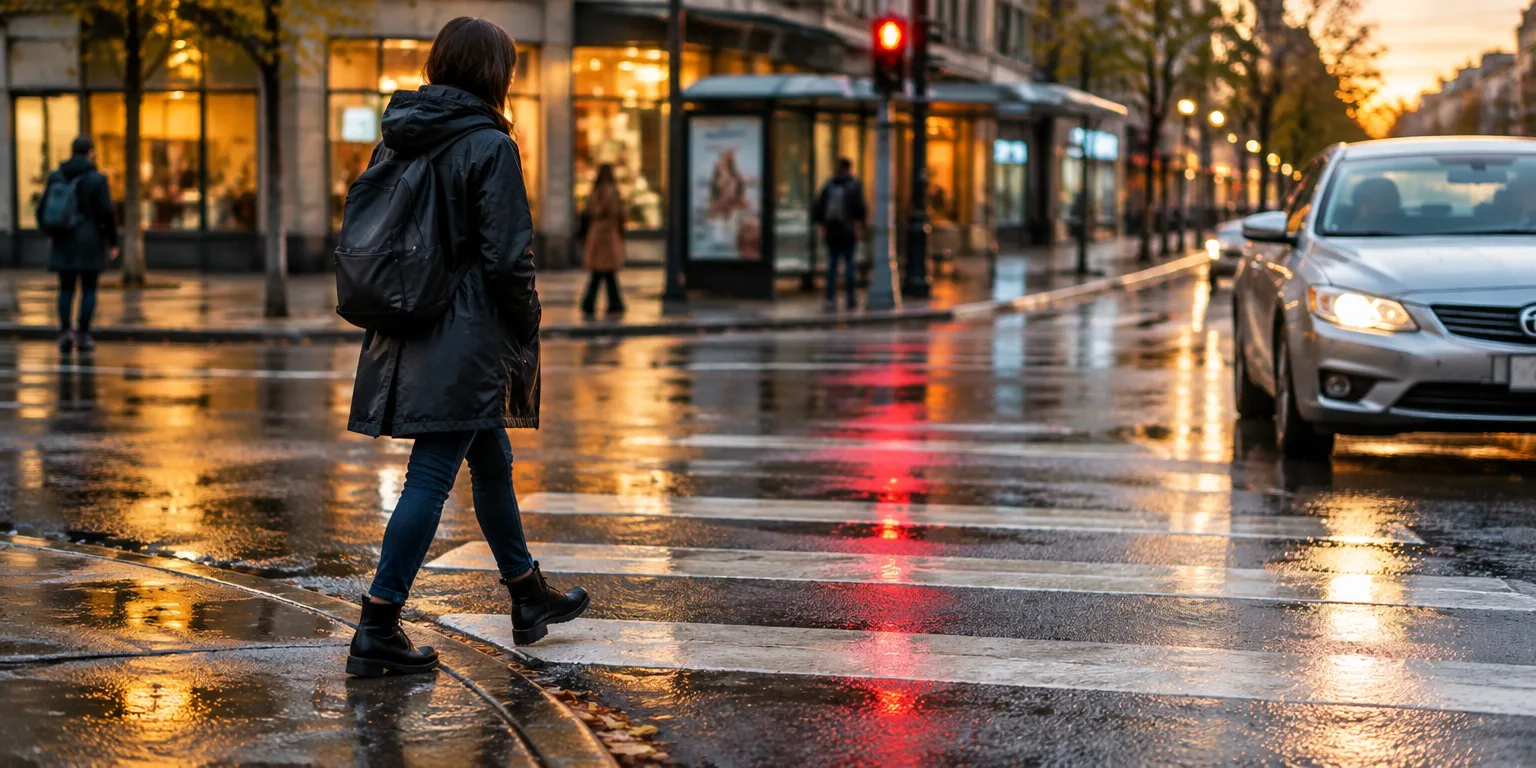
When you step into traffic, you make eye contact with the driver to say you are crossing. Then just before you step off the curb, you deliberately look away.
An autonomous vehicle researcher who has watched hundreds of hours of street video says that look away means you are committed and are trusting the driver to slow down.
He compares it to a game of chicken, where two people head toward each other and the one who refuses to back down forces the other to yield. In his view, self-driving cars still miss much of that dance. They can anticipate people well enough to slip into a roundabout, but they treat pedestrians as "things that cannot be hit" rather than as agents to deal with in a game-theory sense.
Questions people ask
Do all pedestrians do the stare, then look away?
Not always. People vary by age, city, and traffic culture, and some keep staring or never make eye contact. The researcher presents the stare, then look away, as something he often saw in hundreds of hours of video, not a rule everyone follows.
Can a self-driving car learn to understand the signal?
In principle, yes, by learning from millions of real encounters. Every self-driving car can share what it sees with the fleet, so one car's lesson can become part of what the whole system knows. The hard part is teaching software to read the glance as a social commitment, not just as head movement.
Why look away instead of keeping your eyes on the car?
Keeping eye contact suggests you are still checking and might still yield. Looking away, in his reading, says you have already decided and are trusting the driver to brake, which puts the burden to stop on the driver.