People Are Making AI Songs Just for the Fun of It
Investor Mike Mignano says he passed on Suno early on, before it had raised much money, because he did not yet see that making music could be the entertainment itself.
 20VC with Harry Stebbings · Why Now is the Time for the App Layer | Why Startups Should be TokenMaxxing | Mike Mignano, USV
When Mike Mignano, a former podcast startup founder who is now a general partner at venture firm Union Square Ventures, was asked to name his biggest miss as an investor, he pointed to Suno, the startup building artificial intelligence for music creation.
He had met the founders at the earliest funding round, the seed round when a startup first raises outside money, after being introduced by another investor, and passed on a check of about $200,000 to $250,000 for about 1% of the company. He later called the decision a lack of imagination. What he missed, he said, was a new way people use the product, which Suno's team calls creative entertainment.
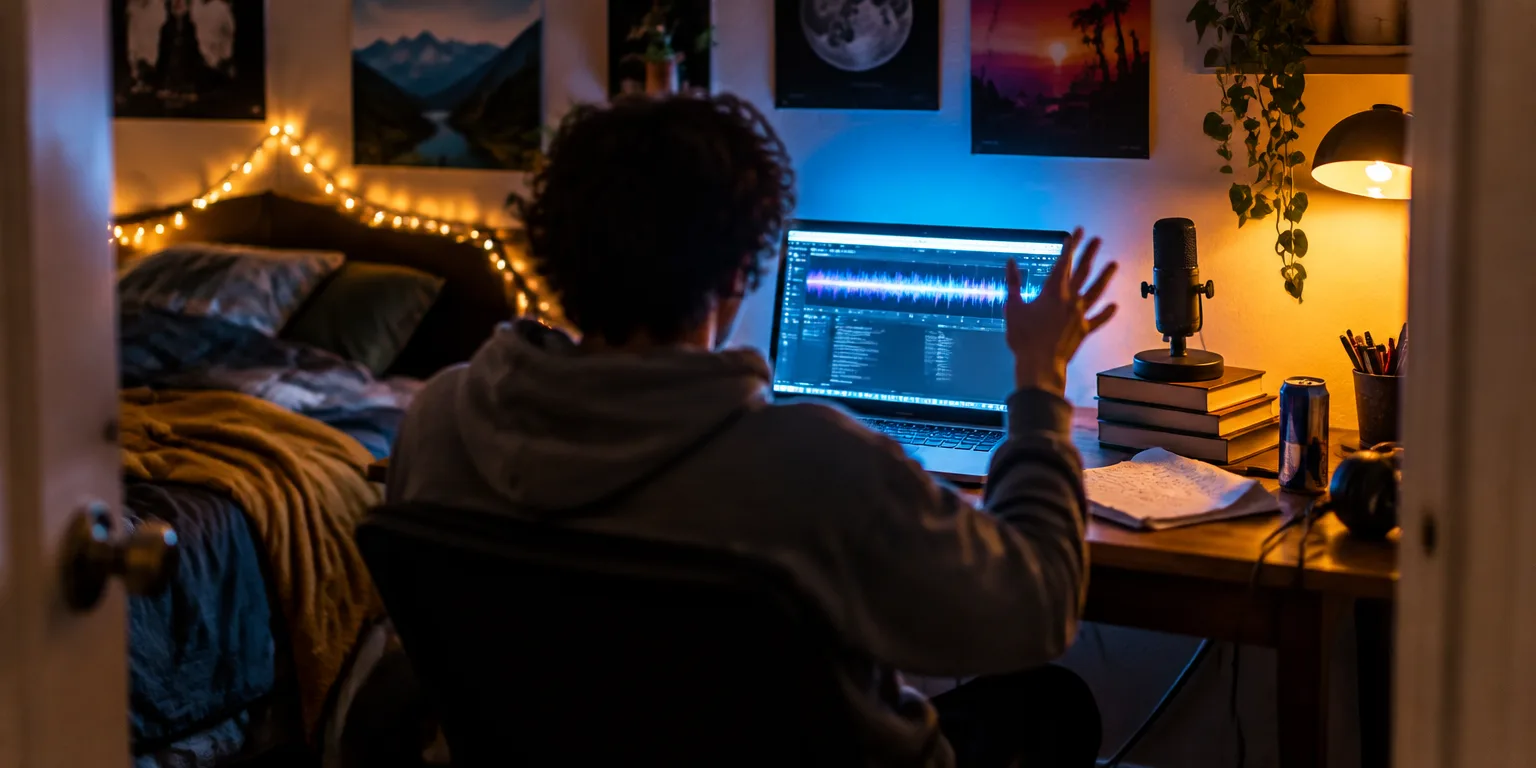
"People are coming into Suno. They're making music for the pure joy and entertainment value of making music," Mignano said.
By that, Mignano argues, people are not using Suno to try to become professional musicians. They are making songs because making them is fun, with no greater plan for the music. He said it is similar to what he sees with coding assistants like Claude Code, image generators like Midjourney, or tools that let people make games on a computer with no aspiration of becoming a game developer.
The idea grew out of his own history. As the founder of Anchor, a company that let anyone make a podcast, he had watched what happened when a creative medium was democratized. People made podcasts in order to get distribution and eventually make money, he said. He went hunting for every team applying AI to music because music had never been fully democratized, and then met Suno co-founder Mikey at a restaurant near his home in Hoboken, New Jersey.
Mignano said they hit it off instantly. Mikey, a former musician, was deeply passionate about making creative expression and self-expression easier, and Mignano was struck by how well the team understood both the models and their vision for the world.
When asked what he was underwriting at $5 billion, Mignano said Suno has what he loosely called unlimited upside potential. He compared it to generational platforms like YouTube, TikTok, and Twitter, which democratized video and writing. He said he once assumed Suno would need to grow beyond a creation aid and develop an audience side, with creators on one side and listeners on the other. The model in his mind was Spotify. Now, he believes the making itself is the point.
"You're making music to make music."
Questions people ask
What does Suno actually do?
Suno lets a person type a description or lyrics and generates a complete song, with vocals, instrumentation, and production, in seconds or minutes. It is aimed at nonmusicians as well as musicians, so no instruments or studio training are required.
Can people release or make money from songs they make with Suno?
Yes, paid users can distribute songs to streaming services and, depending on the subscription terms, use them commercially. Suno has also signed licensing deals with Warner Music Group and others that are intended to let artists opt in and get paid when their work helps train models.
Is it legal to train AI music models on existing songs?
That is still being worked out. Record labels have sued Suno and a rival for alleged copyright infringement, while the companies have argued their training is fair use. Recent settlements and licensing talks suggest the future will involve paid licenses alongside the lawsuits.