People love things more when they build them themselves
Dan Ariely says effort builds affection, and attaching a name to the result can bring that feeling to work.
 Business Insider · How the 'IKEA effect' can motivate people to work harder
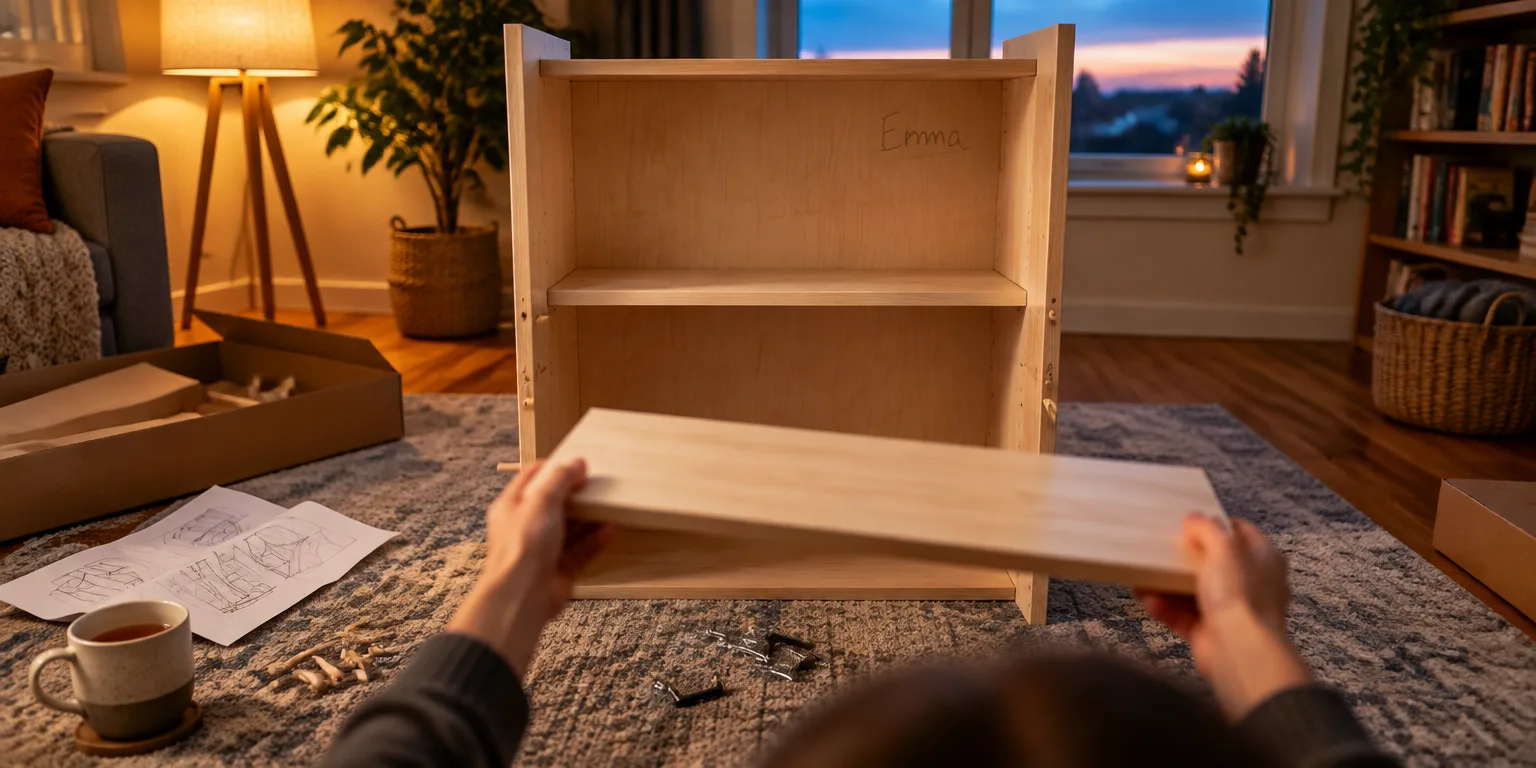
Behavioral economist Dan Ariely learned the lesson from flat-pack furniture. When he assembled his first piece, the instructions were confusing, he put parts together the wrong way, and the job took a long time and frustrated him. Yet afterward he felt a special fondness for it and kept carrying it with him from move to move, not because it was well made but because, in his words, "we had an evening together."
From that experience and later experiments, he describes a simple pattern. When people invest some of themselves in making something, they like it more, whether it is furniture, food, a stereo setup, or a garden.
The question for work is how to use that feeling so people sense that something is theirs. He points to the open source community as one great example. There, when a programmer writes a piece of code, the programmer's name stays connected to it, so it is theirs, and that link builds connection.
He floats a few workplace versions of the same idea. Workplaces could get people to sign something, have their name on it, or receive credit for what they did. The moment work is assigned to somebody, in Ariely's words, "this is you this is your group this is your contribution," people get much more excited, and, in his account, everybody benefits.
Questions people ask
Does this work even if what someone built is not very good?
Ariely says the fondness did not come from quality. His furniture was not special because it was well made, but because he had worked on it. That suggests managers may not need to wait for perfect work before they recognize the maker.
Should the name be shown in public or kept private?
Ariely does not compare public and private credit here. He describes names staying attached to code and giving people credit for what they do.
What if several people built something together?
Ariely mentions both a person and a group. He says assigning something as yours or your group's contribution makes people more excited. He does not explain in this part how to divide credit among collaborators.