People who folded a paper frog valued it at five times what strangers would pay
Builders offered 63% more to keep a simple storage box they had folded themselves.
 Curiosity Chronicle · The IKEA Effect: Why Effort Still Counts
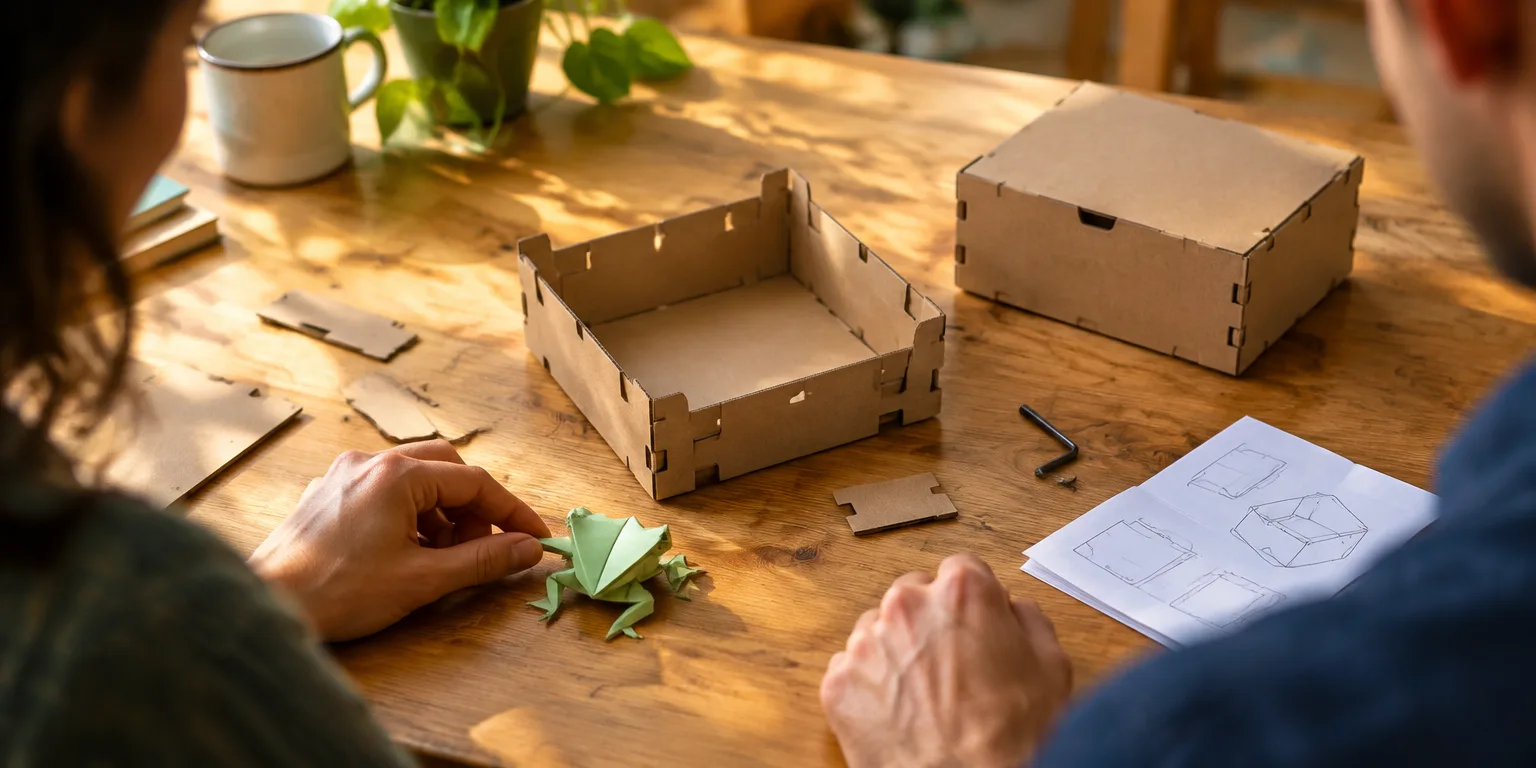
In a 2011 study, volunteers who folded paper frogs and cranes priced their own work at about five times the amount strangers were willing to pay.
The volunteers worked from basic folding directions, then named what their creation was worth. A separate group of strangers named what they would pay for that same paper animal. As a side finding in the same experiment, the builders rated their amateur work as on par with the work of a trained origami artist.
In a different test, people who put together a simple flat-packed storage box offered 63% more to keep it than people who were handed a box that was already put together.
The researchers called the gap the IKEA effect: people place a higher value on things they built themselves.
Questions people ask
Why does building something make us value it more?
Psychologists point to effort and ownership. Putting work into an object can make it feel like an extension of yourself, and finishing it brings a sense of competence. That mix of pride and attachment raises the price in your own mind.
How do companies use this effect?
Many businesses invite customers to do a small share of the work. Examples include flat-packed furniture that buyers assemble and meal kits that ask home cooks to chop and combine ingredients. The hands-on step leaves people feeling more attached to the finished result.