People With Higher Omega-3 Levels Had Lower Dementia Risk
The index reflects months of EPA and DHA status, and Rhonda Patrick described which fish and supplement forms she would choose.
 StarTalk with Neil deGrasse Tyson · The Longevity Playbook with Rhonda Patrick
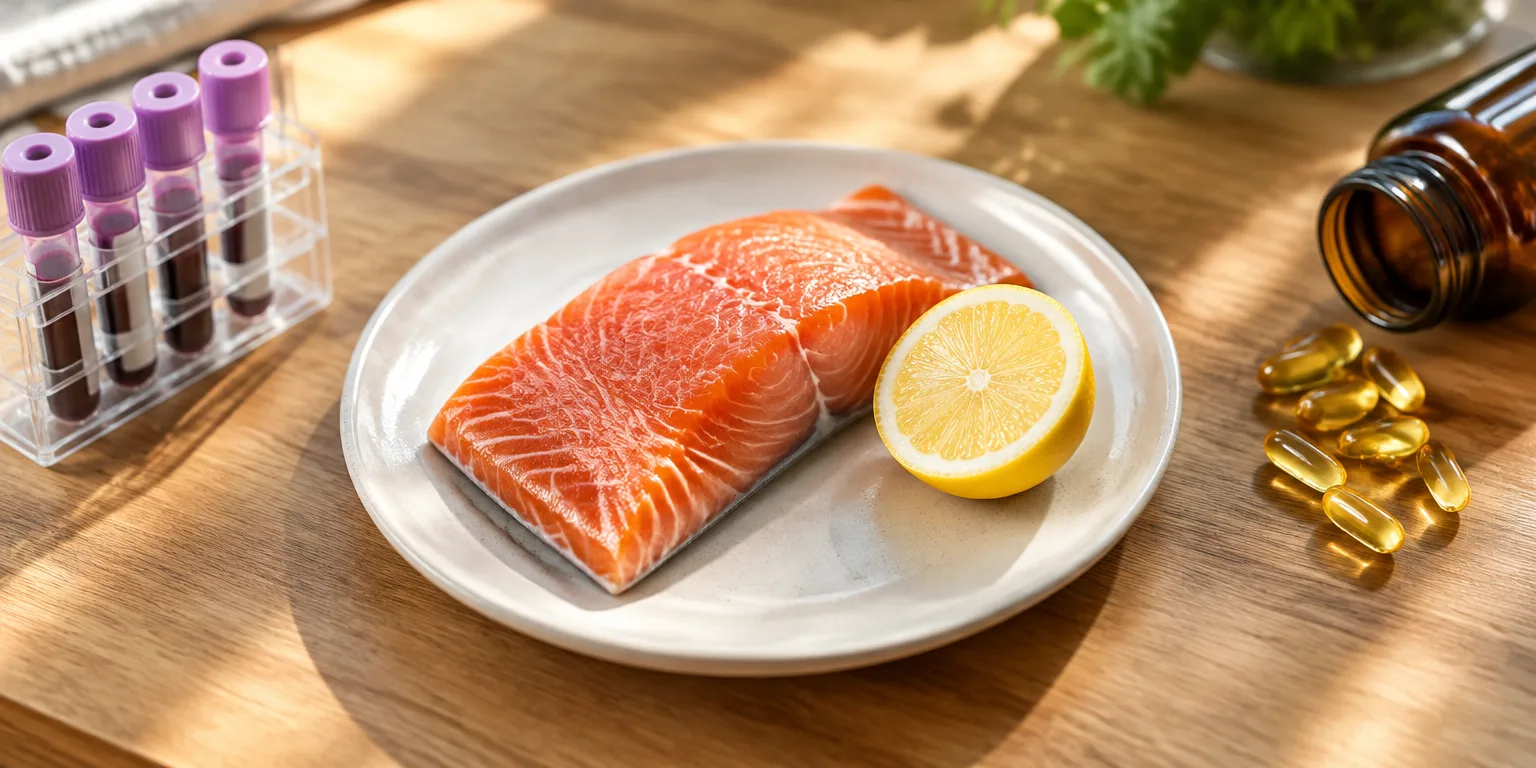
Rhonda Patrick, a researcher who studies nutrition and aging, favors a blood measurement over diet recall for omega-3s. The omega-3 index measures EPA and DHA, marine omega-3s found in fish, in red blood cells.
She described it as a longer term marker because red blood cells turn over in about 120 days. It does not reflect only a recent salmon dinner.
In a large Framingham cohort studied by Bill Harris of the Fatty Acid Research Institute, people with an index of 8% or higher had about 60% lower risk of dementia and Alzheimer's disease than people at 4%. Patrick was not part of that study, and the finding was observational, showing a link rather than proof that raising the number prevents disease.
Patrick described fatty fish such as salmon as one of the best sources, high in omega-3s and low in mercury and contaminants. She said she avoids large fish that eat other fish, such as swordfish, because of mercury.
She said most people in the higher index group reached that level while taking a supplement. She said moving from a low index toward 8% took about 1.6 to 2 grams of omega-3 daily for about two months, and that a repeat test showed whether the amount was enough.
She also distinguished supplement forms. Fish oil in triglyceride form was more bioavailable, meaning more is absorbed, than oil in ethyl ester form, while krill oil was less concentrated and less studied. For vegetarians and vegans, she pointed to oil from microalgae instead of flaxseed oil, because fish get their omega-3s from microalgae.
Questions people ask
What does the omega-3 index measure?
The index is the share of EPA plus DHA in red blood cell membranes. Patrick described 8% or higher as high and 4% as low in the Framingham analysis.
Why did flax oil not count the same way?
Flax, chia, and walnuts supply ALA, a plant omega-3, and the body converts only a small share to EPA and DHA. That is why Patrick pointed to microalgae oil as the more direct source for people who eat no fish.
Are there downsides to high omega-3 intake?
Omega-3s can raise bleeding risk, especially at high doses, and may cause stomach upset, fishy aftertaste, or loose stools. Bleeding risk is the reason surgery and blood thinner guidance often flags high dose fish oil use.