Phones Make It Harder to Feel Satisfied
Investor David Frankel says phones let us get what we want in seconds, which makes satisfaction harder because expectations are so high.
 20VC with Harry Stebbings · The AI Boom Will Create Enormous Roadkill: Who Wins & Loses? | David Frankel
When asked what no one tells you about making money, David Frankel, an investor with Founder Collective, did not talk about returns. He said he is less patient now than he used to be.
He said, "I got used to a higher standard of service, food, quality of everything," and bad service now frustrates him far more than it once did. He linked that impatience to getting used to better service, and said he does not like that about himself. Patience, he said, is probably his biggest vice, and his children would say he is kind but lacks patience.
His explanation was tied to expectations, and phones were part of it. He called phones remote controls for our lives. A car arrives when summoned, food arrives when ordered, and a flight or train can be rebooked in seconds. You do not have to be very wealthy to live that way anymore, he said, so expectations have gone through the roof.
That led to his formula. Satisfaction equals perception minus expectation. He contrasted a "five-star hotel," where you arrive with huge expectations, with a "three-star hotel," where expectations are much lower. Now, he argued, apply that math to everyday life.
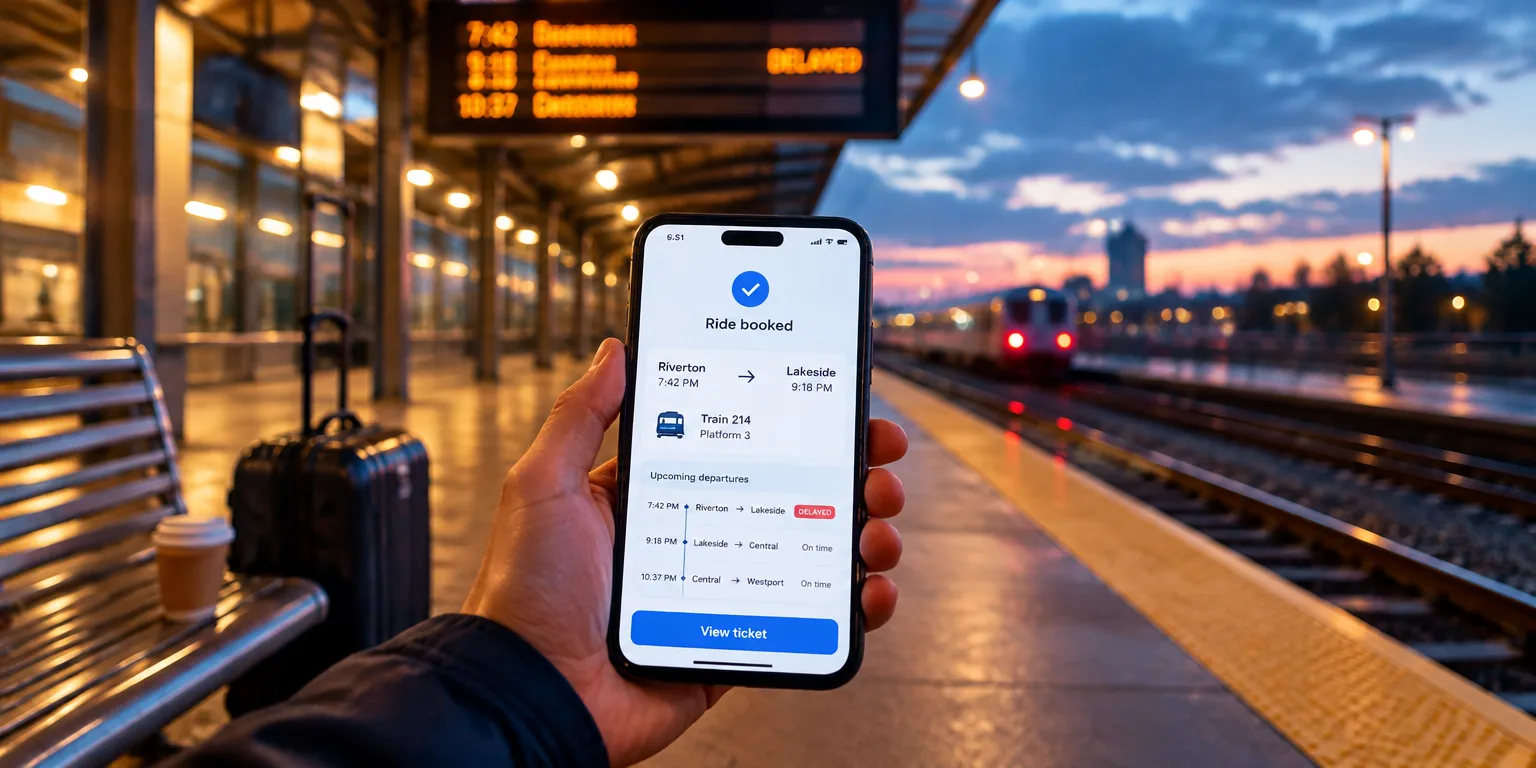
He gave a small example from the prior week. His plane was delayed, and within seconds on a train app he had rerouted himself and called a car to take him to Penn Station instead. He tied that ease to his point that it is now much easier to feel unsatisfied.
His antidote, in his 50s, is a self-check question about how he leaves people. He asks himself how the other person felt after they parted, whether they felt hugged and treated with kindness, rather than remembering an argument over a final share. Kindness and how people leave each other is what matters, he said, and "all the rest is fluff."
Questions people ask
Is there actual psychology behind the idea that higher expectations reduce satisfaction?
Yes. Psychologists call part of this the hedonic treadmill, the tendency for people to return to a baseline level of satisfaction after positive changes. Higher income, better service, and faster convenience raise the reference point, so the same outcome feels less good over time.
If expectations are the problem, how do you lower them without settling for less?
Frankel's version is to change the scorecard from getting what you want to how you leave people. Researchers also find that gratitude practices, slower comparison, and savoring ordinary experiences can lower the expectation baseline without lowering ambition.
Does becoming successful really make people less patient?
There is some evidence that wealth can reduce patience because it buys control and speed, making waiting feel more costly. People who no longer wait in lines or tolerate bad service get less practice tolerating friction, so small delays provoke more irritation.