Playing Your Phone Aloud on the Train Could Cost You $130
Britain is pushing a courtesy campaign backed by $130 fines, but London riders doubt the campaign will change anything.
 The Headlines · New U.S.-Israeli Plans to Attack Iran, and Trump’s Whistle-Blower Rewards Program
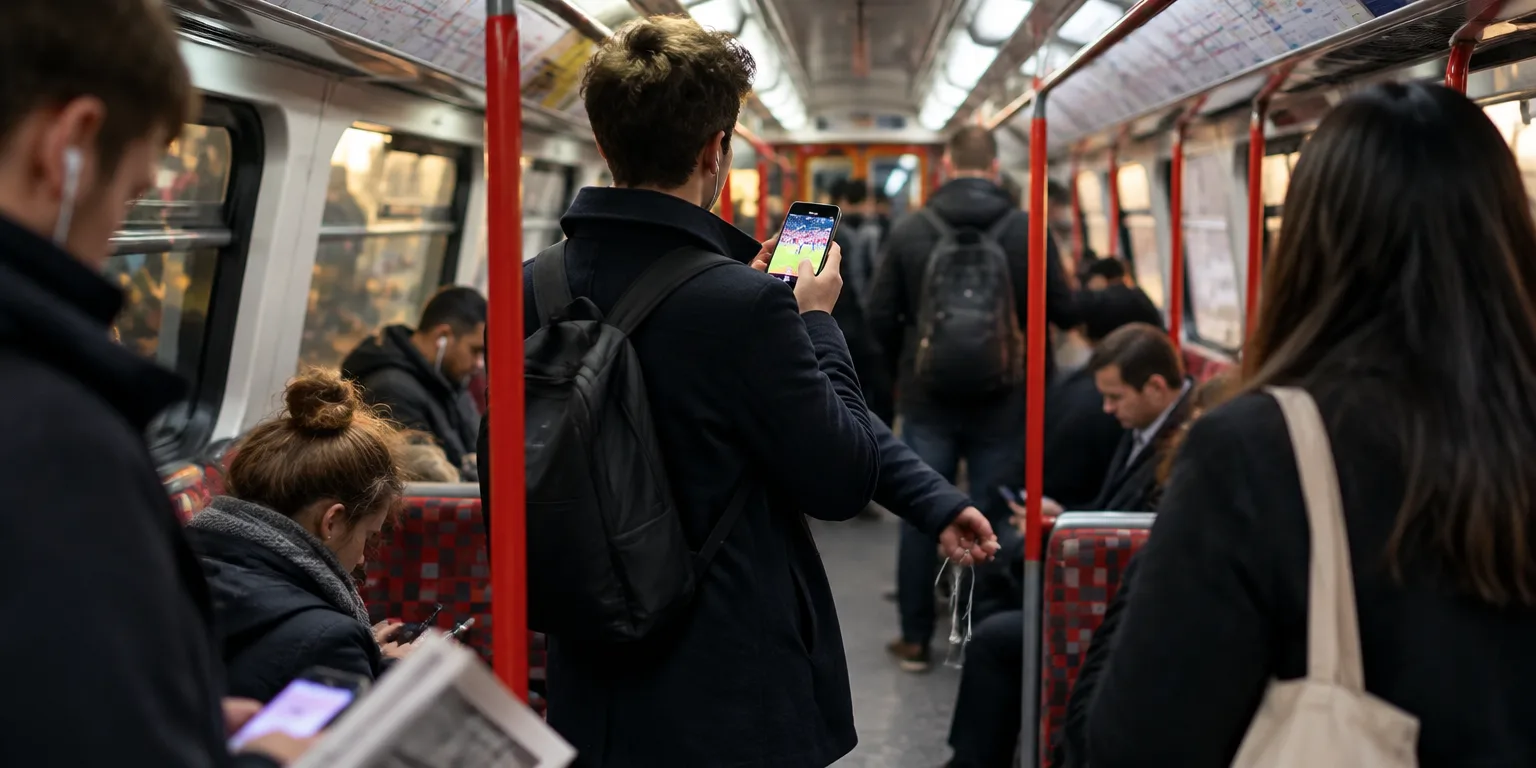
Anyone who rides public transportation knows the moment. A fellow passenger starts playing music or videos aloud, and everyone nearby has to listen along.
It is a familiar annoyance. The sound comes from one phone, but other passengers did not choose to hear it.
That habit now has a name in Britain, loudcasting, and it has become a public cause. Andy Burnham, Britain's prime minister, has urged passengers to be considerate and to keep phone audio to themselves while riding.
The appeal points to rules already on the books. Local authorities can fine offenders about $130 for loudcasting.
Britain is not alone in trying to quiet the commute. Cities in other countries have adopted bans and fines of their own, so passengers do not have to hear a stranger scrolling through TikTok clips behind them.
It is unclear how Britain will enforce these rules.
Early reaction suggests persuasion will be difficult. Many of the riders interviewed by The Times in London doubted the campaign would change behavior, even with support from the country's leader.
For now, the message to commuters is simple. Bring headphones, keep the sound to yourself, and spare the rest of the bus.
Questions people ask
Why does hearing someone else's phone bother people so much?
Researchers call it the halfalogue effect. People find overheard phone calls and videos harder to tune out than a conversation between two people nearby, because the brain tries to fill in the missing half. That extra mental work makes the noise feel louder and more distracting than steady background sound.
Do other places actually fine people for this?
Yes. Many transit systems in Europe, Asia, and the United States ban loud audio and allow staff to remove or cite repeat offenders, though fines and enforcement vary widely. In practice, rules are often enforced by transit workers rather than police, and most incidents end with a warning. New York, London, Paris, and Tokyo all post rules requiring headphones for personal audio.
What should I do if someone is loudcasting near me?
Transit agencies generally advise a brief, polite request first, such as asking the person to use headphones or lower the volume. If that fails or feels unsafe, move seats if you can and report it to staff rather than escalating. Keeping your own headphones handy is often the fastest fix.