Power Decides What Counts as Beautiful
Writer Arabelle Sicardi argues beauty signals who is safe and who belongs, and that business and power sustain each other.
When Arabelle Sicardi, a writer, fragrance expert and beauty critic and author of The House of Beauty, was asked how beauty shapes power today, they turned the question around.
“I wouldn’t say beauty shapes power right now so much as the opposite: power shapes beauty,” Sicardi said.
Sicardi called beauty “a codifier of a certain kind of power and ideology.” In America, Sicardi added, “It signifies safety and whiteness and class in a very specific way.”
That claim grew out of reporting. Sicardi said, “I left a full-time beauty editing position that did not feel hospitable to critical reporting about the beauty industry.” The list behind the book held about 40 stories to tell without fear of reprisal.
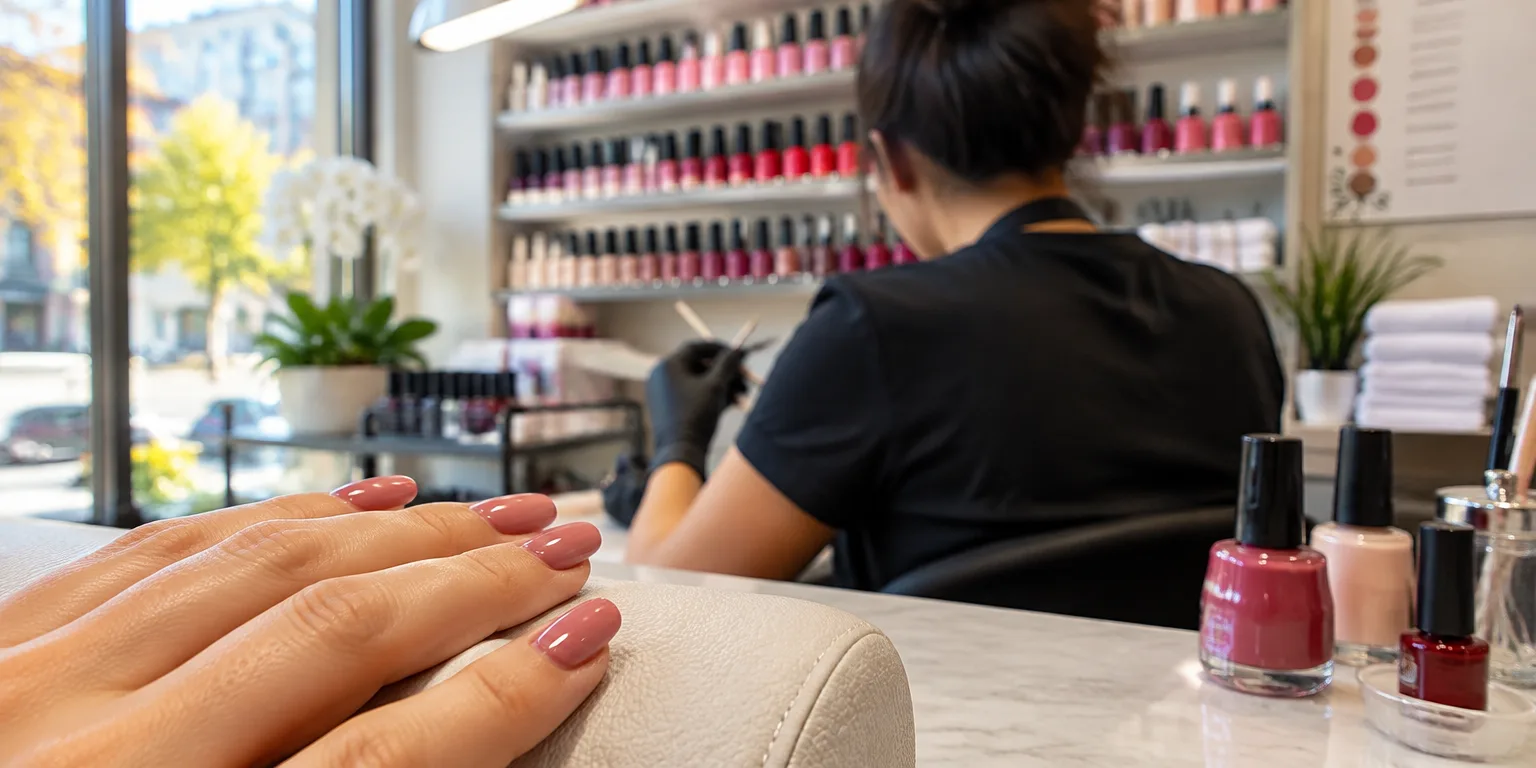
Sicardi points to nail salons, wigs, and supply chains, where migrant work and exploitation are common. The point is about cost, in Sicardi’s account: “Your desire for a product or a fix isn’t worth the exploitation of another person.” Sicardi added, “It’s wrong of the industry to invent problems just to pretend to save you from them.”
The closing image is financial. Beauty and power, Sicardi said, “invest in each other,” describing them as “mutually beneficial creatures of capital and opportunity.”
Questions people ask
What does Sicardi mean by beauty signifying whiteness and class?
Sicardi's own wording is that beauty signifies safety and whiteness and class in America. Separately from Sicardi, American advertising and magazines have often favored light skin, straight hair, thinness, and costly upkeep.
Are there documented examples of exploitation in beauty supply chains?
Yes. Mica mining for shimmer products, hair sourcing for wigs and extensions, and low wage work in nail salons have all been documented as sites of underpaid labor and health risks. Those are the kinds of migration and supply chain stories raised in the interview.
Does that mean beauty is always oppressive?
No. Sicardi describes beauty as an art form, a means of control and a ritual. That framing leaves room for both control and personal meaning, rather than one fixed use.