Project Omega Raises $80 Million to Recover Useful Materials From Used Nuclear Fuel
The startup plans a pilot plant to recover useful materials from used reactor fuel and turn them into long-lived power sources.
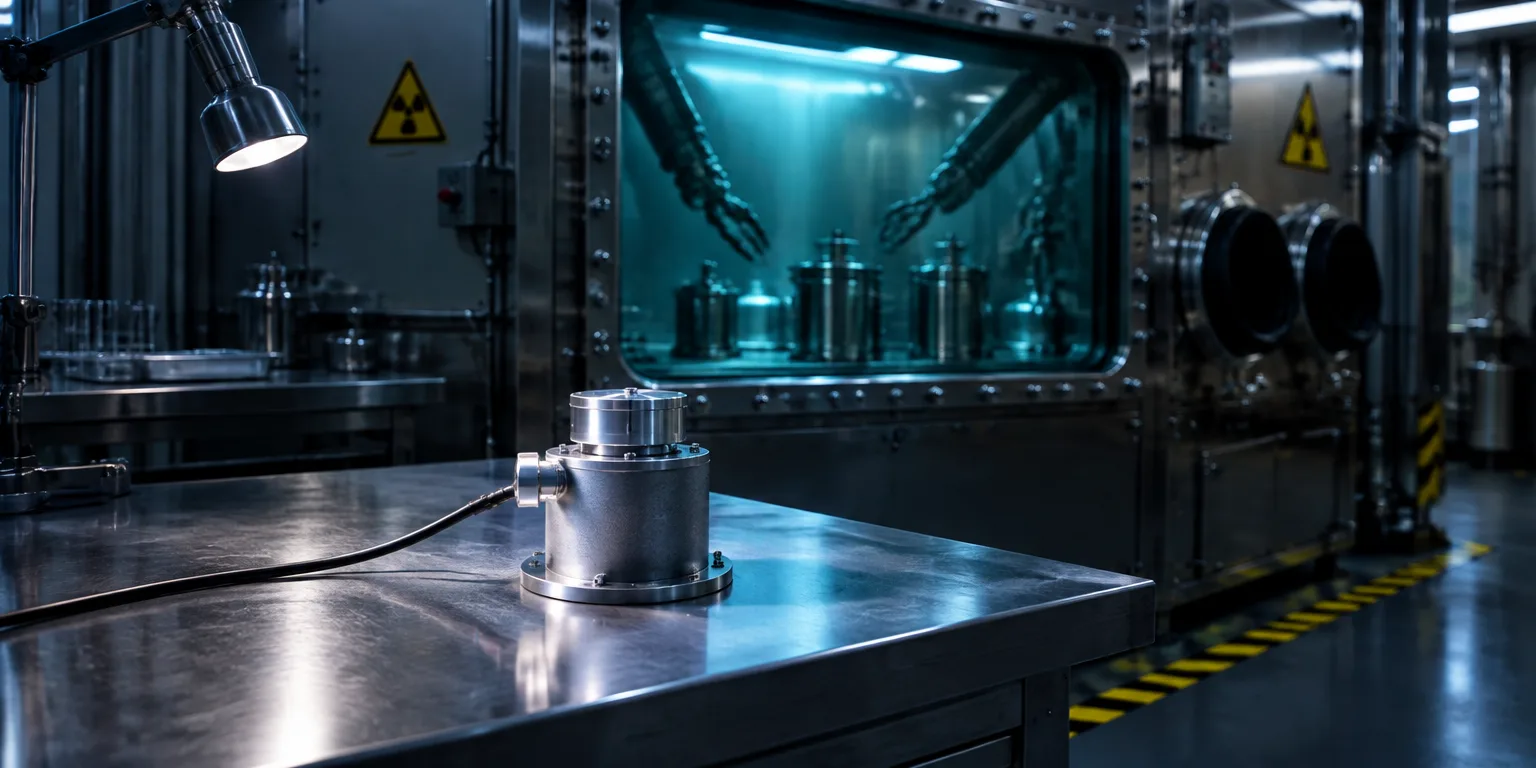
 techstartups.com · Startup Funding News Today, November 10, 2026: Blackletter, Coframe, Nominal, Project Omega, Sumary, Vessel & More - Tech Startups
Rhode Island-based Project Omega has secured $80 million in its first major venture round, headed by B Capital, to recover useful materials from used nuclear fuel and expand power systems for remote operations.
The round included noa VC, 645 Ventures, Starship Ventures, Mantis Ventures, Decisive Point, Virta Ventures, Pace Ventures, Essential Capital, and Washington Harbour Partners. The company said the funding will advance its reuse work, pay for a trial plant, and grow its remote power business.
The opportunity centers on reactor fuel that stays hazardous even once taken out of service. That leftover fuel is costly to handle, needing specialized storage and careful handling, but it still holds materials that could be useful.
Its chosen method is pyroprocessing, generally described as a high-heat approach that avoids water-based chemistry to separate and reclaim the specific materials it targets. It is especially interested in recovering isotopes, forms of an element that give off energy as they decay, for making electricity and for industrial, research, and medical uses.
Its early commercial focus is radiovoltaic power systems, devices that turn the energy given off by decaying material directly into electricity. The company points to far-flung monitors, subsea gear, space vehicles, and other equipment that must run for years without plugging in or swapping batteries.
The plant central to that plan is not yet running as a business. Handling reactor leftovers demands purpose-built factories, strict precautions, and close government supervision, and the company must still show its methods can work reliably at prices customers will pay.
What to watch next is whether research done alongside government labs and federal tech initiatives can be turned into a dependable industrial process, starting with the pilot plant.
Questions people ask
Why is spent nuclear fuel so difficult and expensive to store?
Used fuel stays hot and radioactive for years, so it must be cooled, shielded, and guarded. In the United States, utilities first store it in pools of water and then in sealed steel and concrete casks, all under federal safety and security rules.
Are radiovoltaic devices like small nuclear reactors?
They are not reactors and cannot melt down in the same way, because they generate electricity from the natural decay of radioactive material rather than a sustained chain reaction. They still use radioactive material, so they require shielding, secure handling, and regulatory approval.
Who has to approve a nuclear recycling plant?
In the United States, the Nuclear Regulatory Commission licenses commercial nuclear facilities and materials, often alongside the Department of Energy for research and defense-related work. Any company that processes used fuel must demonstrate safety, security, and environmental protection before it can operate at scale.