Prospectors kept turning up headless in the same Canadian valley
Burned cabins, missing heads, and lost gold gave the Nahanni Valley its grim nickname.
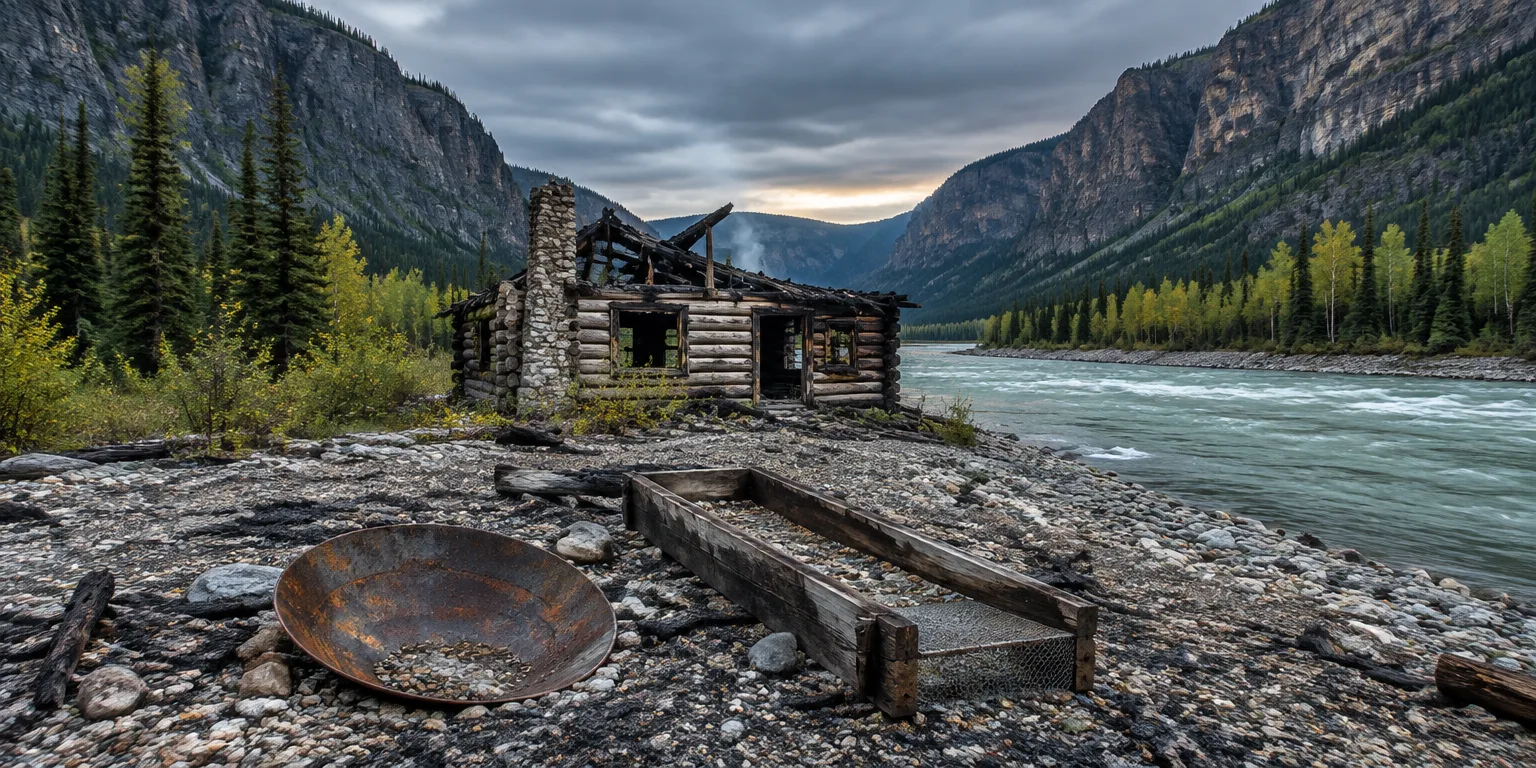
 Pinecone Diaries: Canada's Stories & History · Valley of the Headless Men: The Dark Mysteries of Nahanni Valley
The Nahanni Valley in Canada's Northwest Territories is nicknamed the Valley of the Headless Men.
In 1904, brothers Willie and Frank McLeod found gold there. They went back in 1905 with a Scottish engineer and were never seen again. In 1908, their brother Charlie found Willie and Frank as headless skeletons on a riverbank. Their heads were never found, the engineer was never accounted for, and the stretch of river became known as Headless Creek.
It kept happening. In 1917, prospector Martin Jorgenson was found decapitated in the ashes of his burned cabin after saying he had struck gold. In 1945, a miner from Ontario whose identity was never learned was found in his sleeping bag without his head. By the mid-1900s, newspapers linked the burned cabins, headless bodies and lost gold to the nickname.
The Royal Canadian Mounted Police counts at least 44 deaths or disappearances there since 1908. No killer has ever been identified or charged in the early cases, and police blame many deaths on accidents and exposure.
Questions people ask
Where exactly is the Nahanni Valley?
It is in Canada's Northwest Territories, near the border with Yukon and British Columbia. Much of it is protected as Nahanni National Park Reserve, a large wilderness of rivers, canyons, and hot springs that has been a UNESCO World Heritage Site since 1978.
Can tourists visit the Valley of the Headless Men today?
Yes, but it is not easy to reach. There are no roads in, so most visitors arrive by floatplane or travel the South Nahanni River by canoe or raft. Parks Canada manages access, and trips require careful planning, guides, and gear for cold water, wildlife, and quickly changing weather.