Puerto Rico Loses More Than Half Its Treated Water Before It Reaches Homes
Old pipes waste treated water and sediment shrinks reservoirs, making a dry spell more likely to bring shortages.
 Behind the Bastards · It Could Happen Here Weekly 258
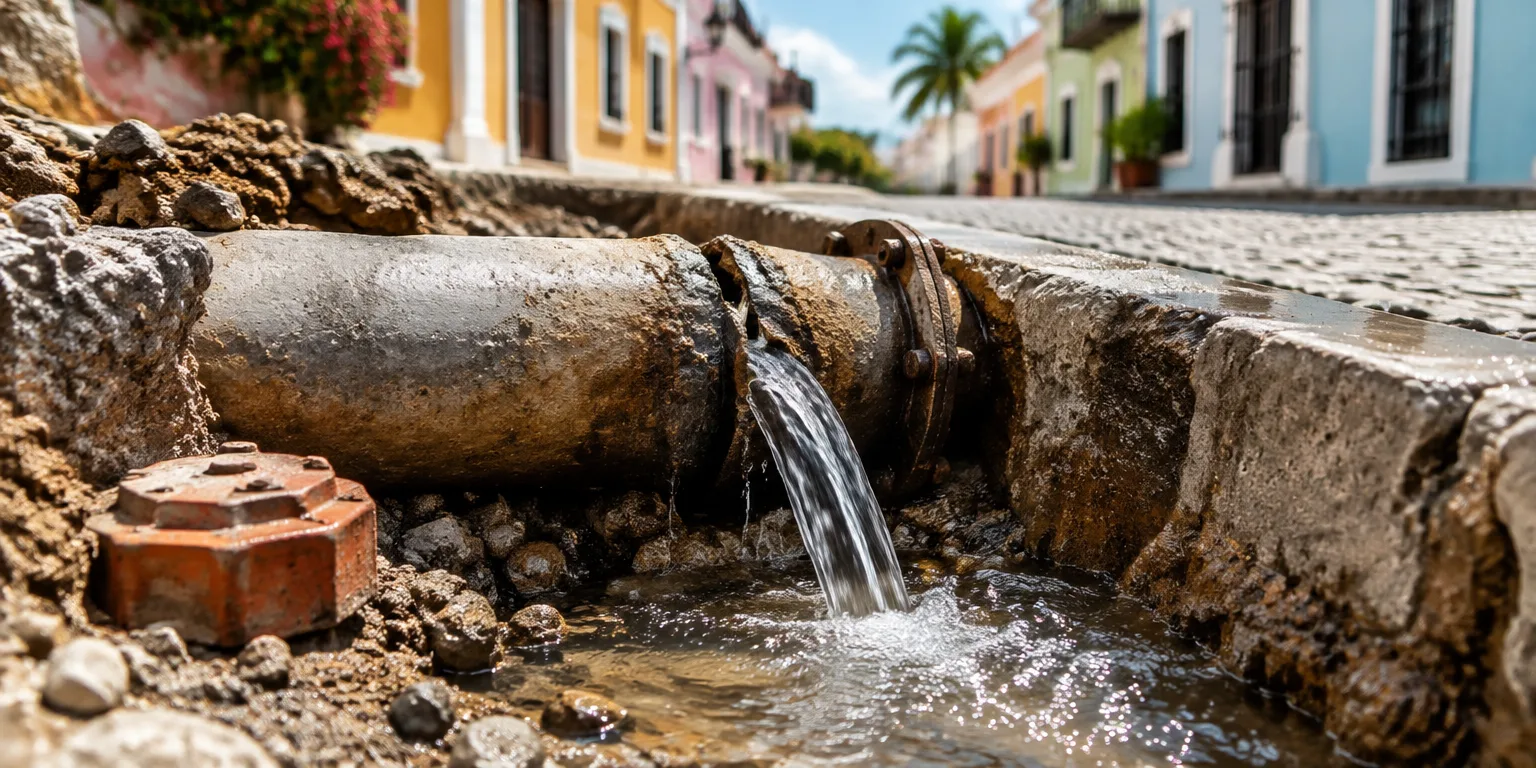
Puerto Rico treats drinking water and then loses more than half of it before it reaches homes.
The island has lost at least 55 percent of the water moving through its pipes every year dating back to 2004, based on investigations by El Centro de Periodismo Investigativo, an investigative news organization on the island. The lowest loss was 55 percent in 2015, and the highest was 69 percent in 2022, even after the water utility set a goal in 2011 of reducing losses to 25 percent.
To picture the scale, one rough illustration is that filling a gallon jug for storage would waste about two and a half gallons along the way.
The biggest reason is old, leaky underground pipes spread across the island. Overflowing storage tanks, excessive pressure, and aging infrastructure add to the loss, along with outdated or inaccurate meters, billing errors, and theft.
By global standards, those losses are extreme. Amira Odeh, a Carolina-based researcher who studies water and geography, notes that the World Bank points to losses below 15 percent for a well-run utility, and the U.S. Environmental Protection Agency treats 25 percent loss as a sign that urgent investigation and repair are needed. Puerto Rico loses more than double that threshold.
That waste is expensive because water is treated before it leaks. Customers pay for the electricity, materials, and chemicals used to clean water that then seeps into the ground, with less than half reaching homes. The utility has spent $50 million hiring outside firms for repairs over the past two decades, while losses grew worse.
Storage makes the problem sharper. Reservoirs have not been properly cleared of mud and sand, and a study by researchers in Texas and Mayaguez estimates that about one quarter of reservoir capacity is unusable because of accumulated sediment.
Repair spending remains small. In 2026, only 4 percent of the utility's budget went to fixing and replacing aging pipes and equipment, with forecasts of 2 percent in 2027 and 2028 before rising to 5 percent in 2029. When reservoirs hold less because of sediment and much treated water never arrives, the two problems make a dry spell more likely to cause shortages.
Questions people ask
What exactly counts as lost water?
Non-revenue water is industry shorthand for treated water that produces no income, whether through physical leaks or through meters, billing mistakes, and unauthorized use. Utilities find it through pressure tests, acoustic leak detectors, district metering, and audits that compare water produced with water billed.
Can a utility fix those losses?
A system can reduce physical losses by replacing old mains, controlling pressure, and fixing tanks that overflow. It can reduce commercial losses by replacing inaccurate meters, correcting accounts, and finding illegal connections. Both kinds of work are slow and costly, which is why utilities often postpone them.
Why does sediment build up in reservoirs?
Rivers carry sand and soil that settle behind dams, gradually reducing the amount of water a reservoir can hold. Dredging, or removing that sediment, restores capacity but is expensive, disruptive, and requires a place to put the dredged material.