Pushing your son to go out teaches him to doubt his own gut
Clinical psychologist Dr. Becky Kennedy says curiosity, not pressure, keeps a boy trusting his own feelings.
 Good Inside with Dr. Becky · What Really Matters When Raising Boys: Consent, Peer Pressure & Doing the Right Thing
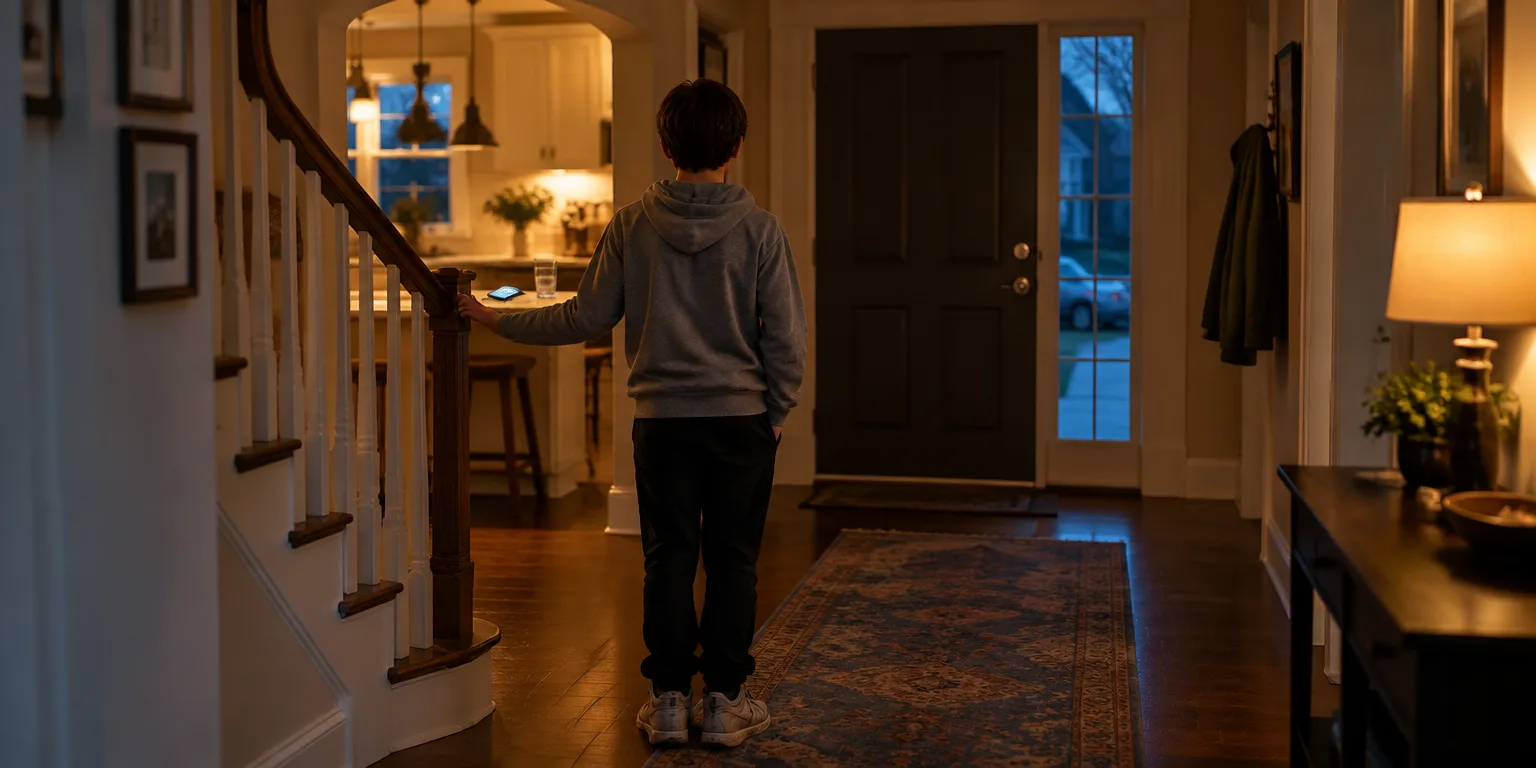
It is a Friday night in eighth grade. All the boys are gathering at one classmate's place, and your son messages from school that he will just stay in tonight. You know the other parents, you know his friends are going, and before you know it, you hear yourself say, come on, all your friends are going, it will be fun.
That was the scene clinical psychologist Dr. Becky Kennedy put before parents at a live event on raising boys to do the right thing. She admitted she catches herself doing the same kind of pushing for comfort, and then she stopped herself with a question: "Am I the one as the parent questioning the very thing that I would want my kid to listen to in a couple years when they're out of my house?"
She argued that a flat "I don't wanna go" can hide something a boy cannot yet put into words. Maybe the parents will not be home, and there will be alcohol. Maybe a group of kids who always spell trouble will be there. Maybe he is tired, or something just does not feel right. When a parent answers that hesitation with reassurance about fun and belonging, she said, the boy learns that his read on his own life is wrong and the group knows better.
Kennedy added nuance. She said trusting a feeling does not mean the feeling always makes the decision, and she noted there is nuance if a boy is always staying home on video games and no longer wants to talk to other kids. What matters, in her view, is treating the feeling as real and worth getting curious about, because that same inner signal is the one he will need later to recognize a bad situation and leave or get help.
Her alternative is small and awkward. Say, "I'm sure you have a reason for not wanting to go," and then stop talking. She counts to 14 to let the words land and for a boy to ask himself what his reason might be. Even an I don't know, she believes, still teaches him that the feeling inside him counts.
Questions people ask
Does this mean I should always let my son stay home if he says he does not want to go?
No. Kennedy says trusting a feeling does not mean the feeling always decides. She notes there is nuance if a child is withdrawing from friends altogether, but the feeling is still real and worth listening to.
What if I try this and my kid just says I don't know?
That is common, especially with middle schoolers. Kennedy says curiosity still sends a signal even then. A simple tell me more, without pressing for details, tells him his inner experience matters enough to pause for.
Why count to 14 after saying that line?
It is a way to force a real pause. Fourteen is random enough to remember, and it stops parents from rushing to fill the silence with another question. That quiet gives a child's body time to notice what he is feeling.