Investor Says Rooftop Solar Shields Homes From Costly Daytime Power
Home panels protect against the 10 a.m. to 6 p.m. peak that drives bills, though they fade at night and on cloudy days.
 Invest Like the Best with Patrick O'Shaughnessy · The 2028 Natural Gas Crisis No One Sees Coming
Matt, an energy investor who spent 18 months modeling the American gas system well by well, calls home solar his most important takeaway. He speaks as an investor with money behind this view.
His reasoning is tied to power pricing. Natural gas sets the fuel cost for the next unit of electricity needed in each market, so wholesale power prices in each market move with gas.
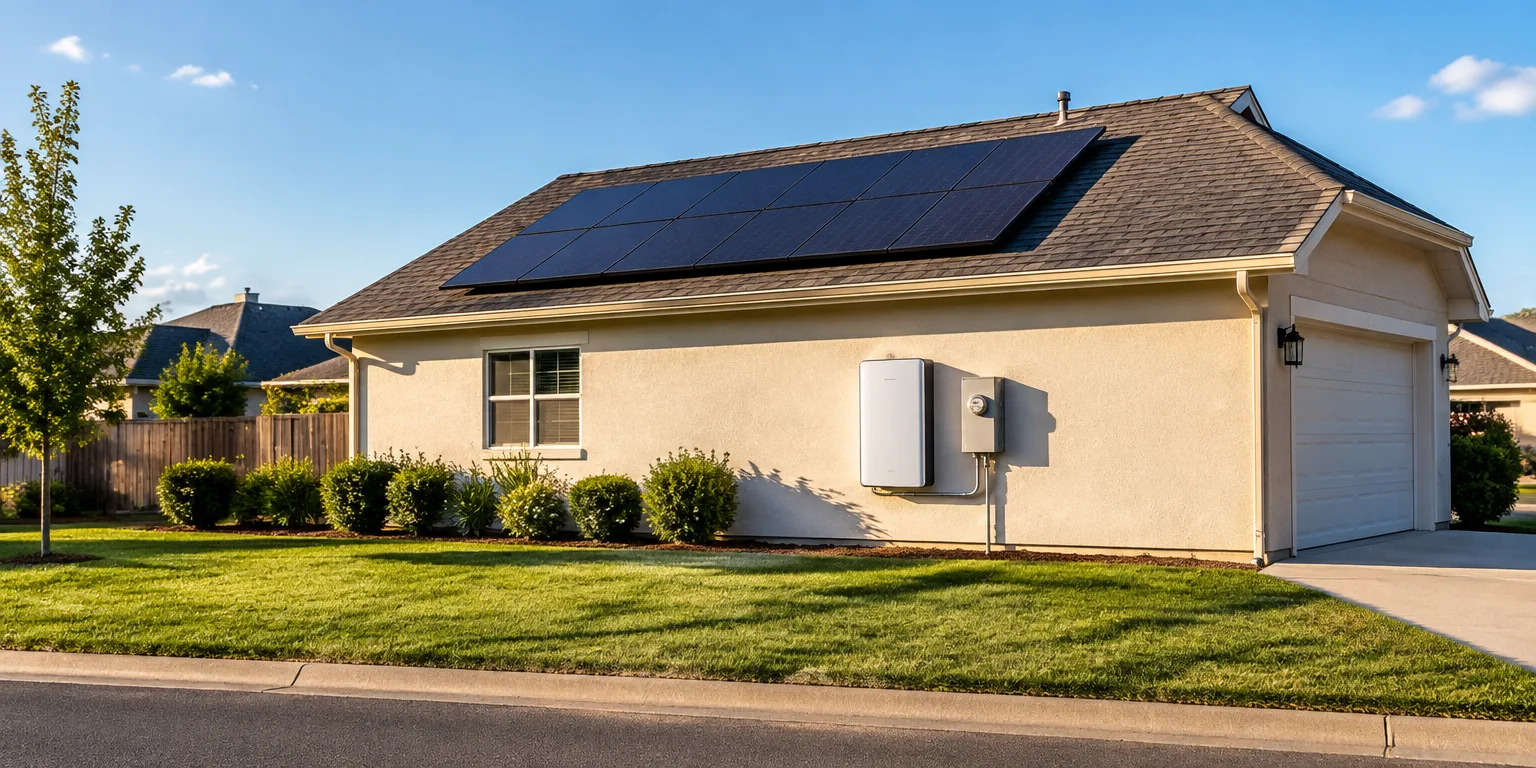
In his view, rooftop solar is one of the few protections a homeowner has once gas gets tight, because panels produce during the 10 a.m. to 6 p.m. window when peak prices hit. He describes those daytime charges as the biggest part of a household bill.
He does not oversell what panels can do. A rooftop system delivers when the sun is out, may deliver less when it is cloudy, and does not help at night.
He says adding a battery helps, because pairing solar with batteries makes that electricity much more available around the clock. He also expects residential systems to become economic on high power prices alone, even without tax incentives.
He advises people to study their state's rules for home solar. He favors renewed incentives to revive residential solar, which he describes as stagnating after some incentives were removed.
Questions people ask
Why is power most expensive from 10 a.m. to 6 p.m.?
Demand climbs through the workday as businesses, factories, and air conditioners all run, so grid operators must use costlier plants to meet the peak. Many utilities pass that cost through in higher daytime rates. Solar helps because it generates during those same sunlit hours.
What does adding a battery do?
Panels alone only reduce what you buy while the sun shines. A battery stores extra midday power so you can use it in the evening or during a brief outage. It adds cost, and it matters most where utilities charge more at peak times.
Do panels work on cloudy days or at night?
They produce much less under clouds and nothing at night, though they can still make some power in diffuse light. That is why the advice is framed as daytime protection, not full independence from the grid.