QXO says splitting fast sellers from slow sellers keeps best sellers in stock
QXO's chief says availability improved after warehouses gave best sellers their own spots and reorder rules.
 roofingcontractor.com · How QXO is Using AI to Streamline Distribution
Brad Jacobs, the chief executive of building products distributor QXO, says reorganizing warehouses around best sellers improved availability. Inventory availability has "dramatically improved in the few months that we've owned the company," Jacobs said. No numbers back the claim.
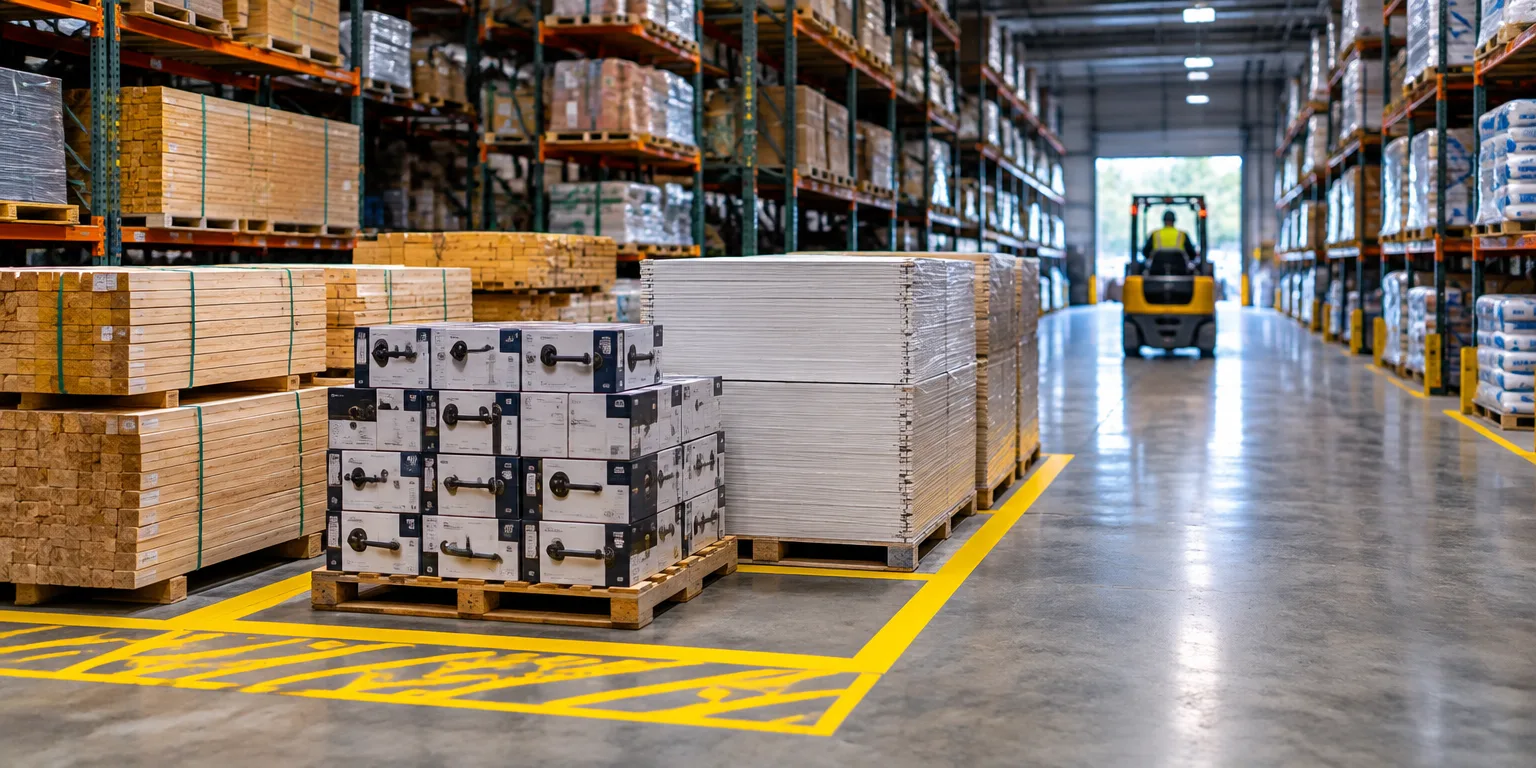
The approach he described treats fast and slow sellers differently. QXO is adding scanning, which records where products are and how many are on hand, alongside slotting and placement that give each product an assigned home based on how quickly it sells. Quicker sellers are kept apart from slower sellers and put where workers can reach and refill them fastest.
Software then watches the most important group, the small set of fast moving products that account for most sales, which Jacobs calls A-items. QXO uses systems that forecast need for those top sellers and trigger reorders for critical products before shortages occur.
"The focus is to always be in stock, in every branch, on A-items," Jacobs said. This is QXO's stated goal, not a measured result.
Questions people ask
What is an A-item?
A-items are the products that sell most often and drive most of the revenue. In distribution they are usually managed with tighter counts, higher safety stock, and faster reordering than slow-moving items.
What does warehouse slotting mean?
Slotting means deciding the best storage spot for each product based on size, weight, and how often it is picked. Fast sellers typically go near packing and shipping areas to cut walking time and speed restocking.