Recycled Plastic Oil Is Too Dirty to Use Without Cleaning
As of mid-2026, chemical plants could handle only small, diluted amounts; using more will require much cleaner oil.
 Mexico Business Now Podcast Expert Contributor Audio Articles · 'Turning Plastic Waste Into Valuable Petrochemical Feedstocks' by Martin Toscano, President and General Manager, Evonik Industries de Mexico
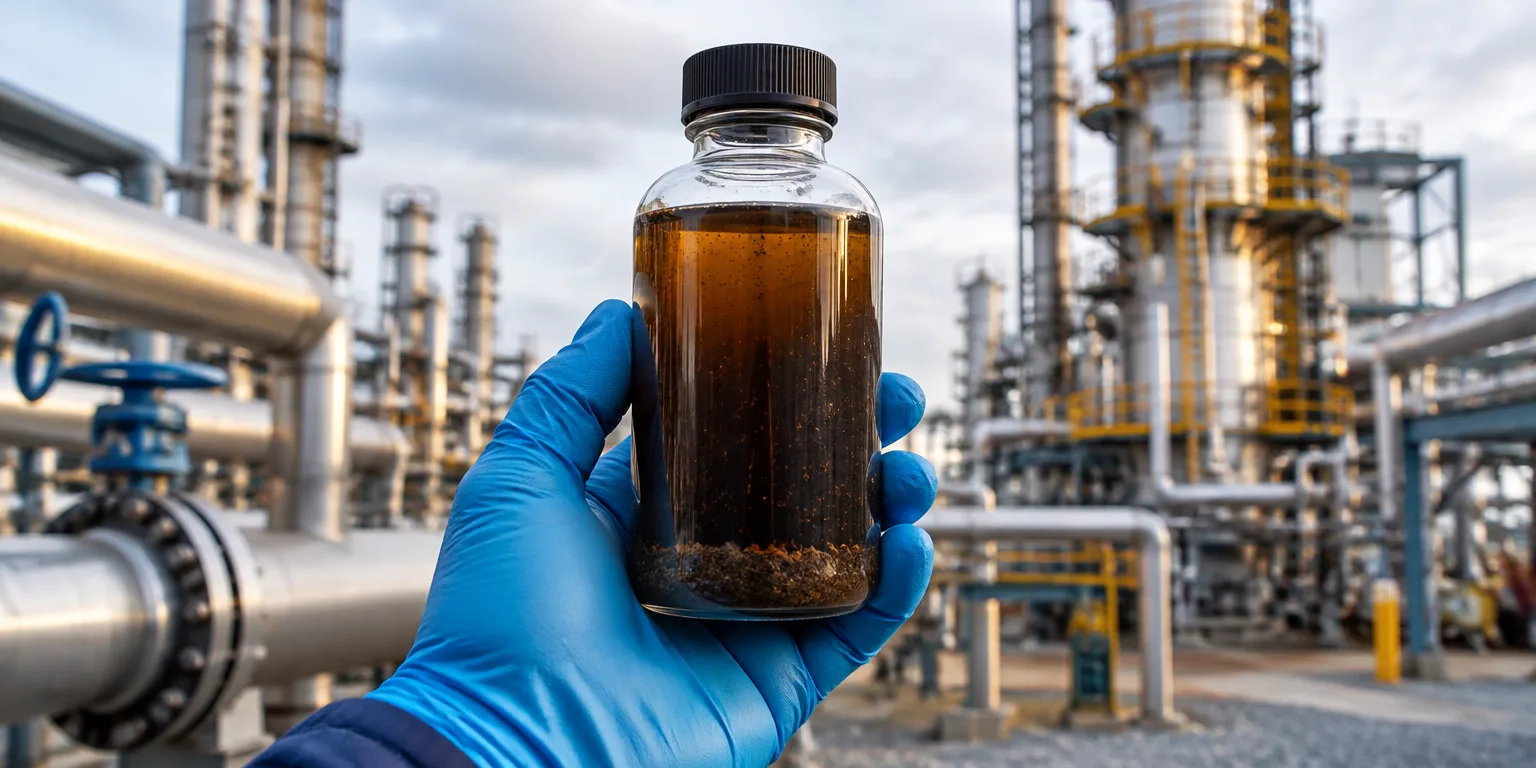
Turning old plastic back into new plastic sounds simple: melt it down into oil, then feed that oil into a chemical plant. The problem is that the oil is too dirty to use as is.
The oil comes from pyrolysis, a process that heats plastic waste without oxygen until its long polymer chains break into smaller molecules. The result is a liquid called pyrolysis oil, plus gas and solid leftovers, that can serve as raw material for steam crackers, the giant furnaces that turn hydrocarbons into new plastics.
Mixed plastic waste brings more than plastic into the oil made from it. According to Martin Toscano, president and general manager of Evonik Industries de Mexico, it carries colorants, stabilizing and fire-resistant chemicals, bulking material, food scraps, and other impurities, and many of those substances end up in the oil.
Four types of contaminants are among the worst: compounds containing chlorine, nitrogen, oxygen, and silicon. Chlorine and the others can corrode equipment and damage processing systems, while also deactivating catalysts, the materials that speed up chemical reactions without being used up.
That is why, as Evonik described it in July, chemical plants could handle only small amounts of the recycled oil. Steam crackers could co-process relatively small quantities by mixing the oil into their usual fossil supply to thin out impurities.
To use much more recycled oil, the oil itself must get much cleaner. As Toscano put it, producing pyrolysis oil "is only part of the solution."
Questions people ask
What is a steam cracker?
A steam cracker is a very hot furnace that breaks hydrocarbon liquids and gases into smaller building blocks, such as ethylene and propylene, which are then made into plastics and other chemicals. It is built to run on clean oil and gas, so dirty feedstocks wear it out faster.
Why does it matter if a catalyst is deactivated?
A catalyst is a material that makes a chemical reaction go faster without being consumed by it. In petrochemical plants, catalysts can be expensive and sensitive, and contaminants such as chlorine, nitrogen, oxygen, and silicon can coat or chemically alter them so they stop working.
Where does the chlorine in plastic waste come from?
Chlorine often comes from plastics made with chlorine, such as PVC, as well as from some additives, labels, and mixed waste that is hard to sort perfectly. During pyrolysis, chlorine from those sources can end up in the oil as corrosive chloride compounds.