Renting beats buying when yearly rent is less than 5% of the price
An owned home pays for shelter, not profit, once taxes, repairs, and missed stock gains are counted.
 The Diary Of A CEO with Steven Bartlett · Stock Expert: Becoming Rich Is Simple, But You Won’t Do It!
Ben Felix, a financial adviser who builds household advice from academic research, has a quick test for the biggest bill most families ever face. Take the price of a house, multiply by 5 percent, divide by 12, and compare the result to monthly rent. If rent is that number or lower, renting is roughly the better financial choice on money alone. He calls the 5 percent a very rough rule of thumb, because the exact break even shifts with your investment mix and tax situation.
The logic starts with what an owned home really is. It is not an investment so much as a way to pay for shelter. It gives you a place to live, which is like paying yourself rent, but it also piles up costs you never get back. Felix groups those unrecoverable costs into three buckets that make up the 5 percent.
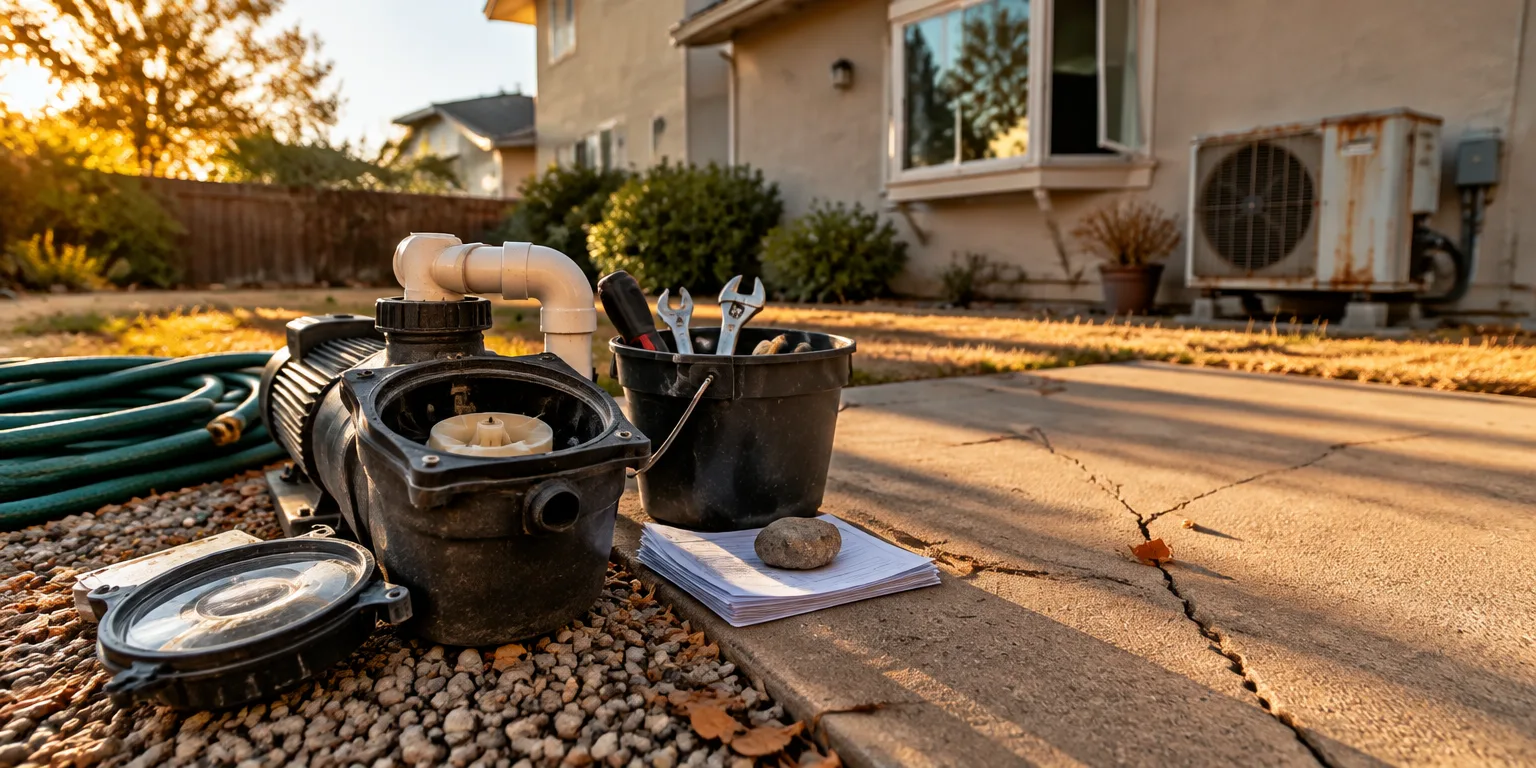
The first bucket is property tax, roughly 0.5 to 1 percent of value a year depending on where you live, paid for services but unrecoverable. The second is maintenance, the cost owners underestimate most. Felix used to budget 1 percent of value a year for upkeep. Research suggests it could be over 2 percent, and after six years owning his own home, he thinks even that may be low. In his telling, everything just seems to break, from the garden to the pool pump to a crack in the patio to the heating system.
The third bucket, about 3 percent, is the cost of capital. It has two linked pieces. One is mortgage interest, the fee for borrowing money, and once paid, it is gone. The other is opportunity cost, among the biggest expenses of owning a home. A buyer who puts 20 percent down could have put that cash in low cost index funds instead. Over long stretches, houses have risen near the rate of inflation, while stocks have far outpaced it, so equity sitting in walls misses gains it could have earned.
Add the pieces together, about 1 percent for taxes plus about 1 percent for maintenance plus about 3 percent for borrowing and missed investment gains, and you get 5 percent. A $300,000 house therefore costs about $15,000 a year before principal, or $1,250 a month in unrecoverable costs. Rent at that level is roughly break even, and at or below it renting comes out ahead, assuming the renter invests the monthly savings difference in the stock market and the return assumptions hold.
That is why comparing rent to the mortgage payment alone misleads, Felix says. He rented for six years with a wife and growing children, choosing professional landlords and signing multiyear leases for stability. Renting spared him the tax and repair bills, and the money tied up in a house, that do not show up in the mortgage payment.
Questions people ask
Why does the 5% rule leave out the principal part of the mortgage?
No. Principal is money you move from cash into home equity, so you still own it as part of your net worth. The true costs of owning are interest, taxes, maintenance, and the investment return you give up by keeping that equity in the house.
Does owning ever make better financial sense?
Yes, for people who expect to stay in one place for a very long time, and for high tax investors in places like Canada where gains on a primary home are tax free. That tax break lowers the opportunity cost of owning.
Where do renovations fit in?
They count as an extra ownership cost, because owners tend to upgrade rather than simply restore. A renter who reports a broken fixture usually gets the same basic fixture back, while an owner often pays more to make the kitchen or bathroom nicer.