Reported extortion in Peru rose sixfold in five years
Extortion has spread from border towns into bus routes, building sites, and markets.
 Atlantic Council · Peru at a breaking point: How ten years of political chaos opened the door to organized crime
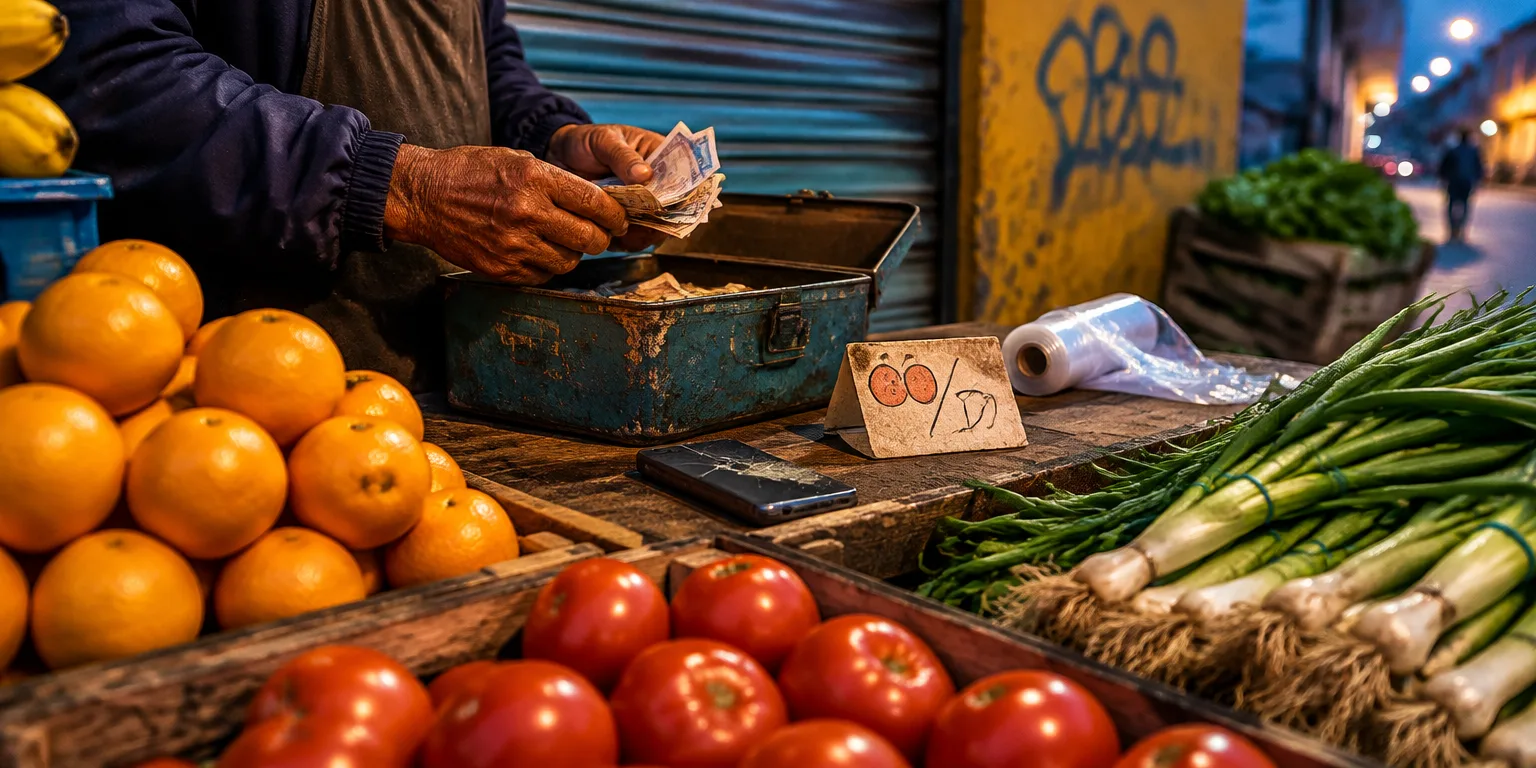
Reported extortion in Peru increased sixfold between 2019 and 2024. This year, one in three Peruvians said they knew a victim; the victims are often small business owners.
Crime once confined to border areas and drug routes has moved into the daily life of neighborhood shops and smaller firms.
In Trujillo and Chiclayo, bus operators and construction firms hand over weekly payments known as "quotas" to criminal groups. In districts of Lima, market vendors get shakedown calls asking for money sent by digital wallet. Homicides have doubled since 2019 at the same time, and this January saw more than three times as many killings as the same month in 2017.
Questions people ask
Why did criminal groups grow so fast in Peru?
Peru has had eight presidents in ten years, and frequent turnover has left police leadership reshuffled, prosecutors underfunded, and national strategy inconsistent. Criminal groups, including Venezuelan gangs and local outfits, have filled the gap by moving from drug routes into cities and neighborhoods.
What does Peru's informal economy have to do with extortion?
About seven in ten Peruvian workers earn a living in the informal economy, outside payrolls and full regulation. That includes market vendors, bus drivers, and small shopkeepers, who are visible, cash based, and hard for police to protect, which makes them easier targets for shakedowns.
What could change the trend?
Peru is scheduled to hold general elections in April 2026 to choose a president and Congress. Security is expected to dominate the campaign, with debate over whether voters will back democratic reforms or candidates promising order at any cost.