Rin thought history was pointless until his thirties
Rin thought the past was a waste of time, until he felt he missed out by not appreciating history.
 Rin's Podcast · Season 34: Geoffrey
Geoffrey, who grew up in Ohio to parents from China, was telling Rin about a trip to Japan and a visit to Osaka Castle to learn more about Japanese history. Geoffrey said history had been his favorite subject since elementary school. Rin had the opposite reaction.
"I always thought history was an adult subject," Rin said. He explained that when he was younger, the past felt irrelevant because life was pointed forward.
That was how he felt his whole life, he said, and only in the past few years did he start wanting to learn more history. He said he never understood spending so much time on events from hundreds of years ago, when everyone is always looking ahead. It even shaped how he traveled. He said he did not enjoy going to Europe because there is so much history there, and that he felt he had missed a lot by not appreciating it.
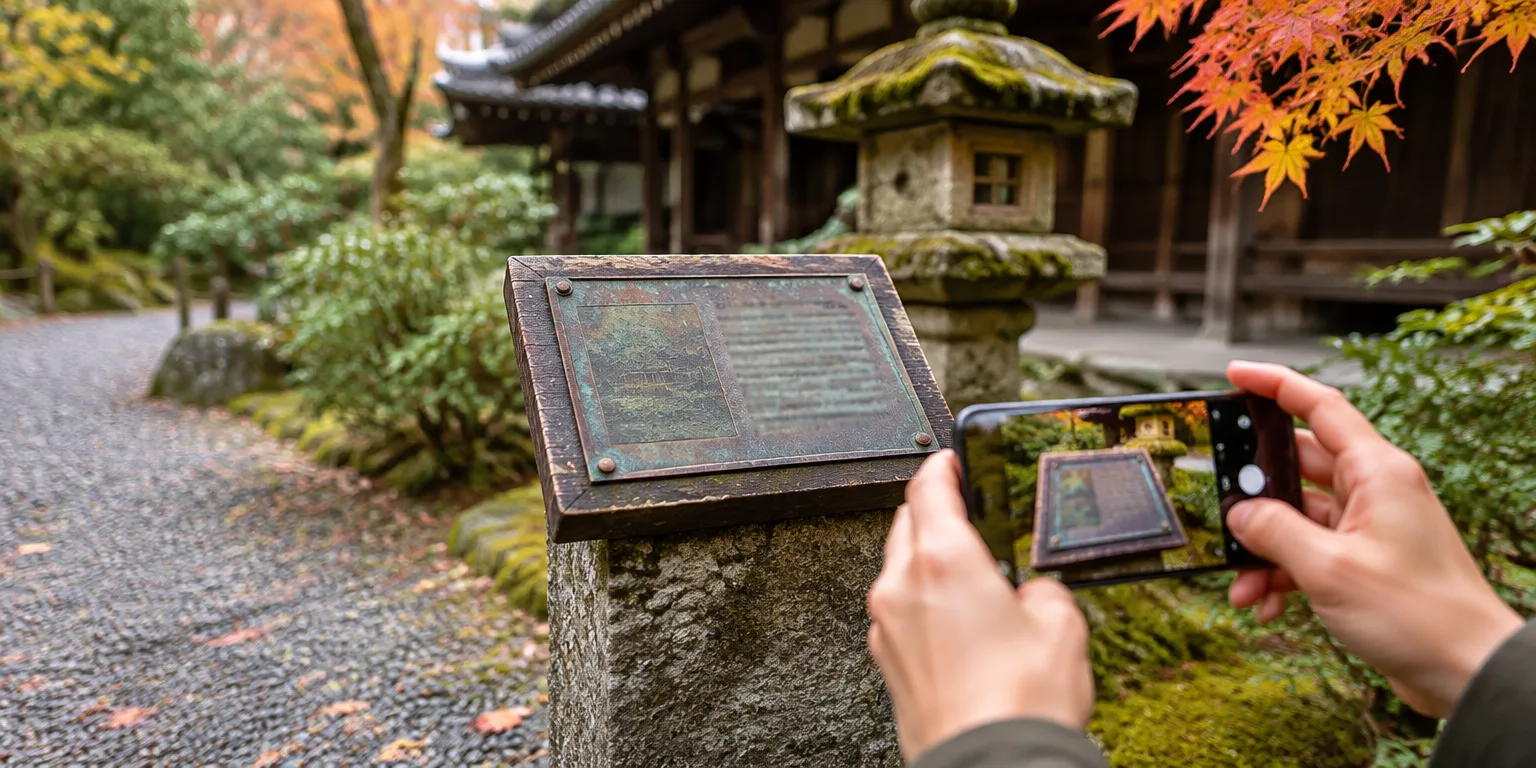
He gave the example of standing in front of a monument built in the 1600s, or imagining a first trip to the pyramids in Egypt, and thinking only that it was big or cool. He said he felt uncultured in those moments. As a kid at a temple, he always ignored the little explanatory sign, and wondered why he should stop to read it.
Geoffrey is the friend who does stop. On tours, he said, he lingers over the sign for at least five minutes, digesting it, and takes a picture so he remembers it.
Rin said he now stops to read the signs, as Geoffrey does. "At the age of 30 now, I can stop and read it," he said.
Questions people ask
Is it common to get interested in history later in life?
Yes. Psychologists often find that curiosity about the past grows in adulthood, as identity, family, and travel give old events personal meaning. Teenagers tend to focus on the future, on school, jobs, and independence, so history can feel abstract until life provides a reason to care.
What is a good way to start appreciating history while traveling?
Seeing a place in person can make abstract dates feel real, especially with a guide, a museum, or a short plaque that explains who built it and why. Starting with one era you already like, like the Napoleonic era or Japan's Sengoku period that Geoffrey enjoys, helps more than trying to learn everything at once.