Rising Rates Break the Math on Commercial Property Deals
When rates rise mid-deal, buyers with no deposit at risk can sometimes push commercial sellers to cut the price.
 WSJ What's News · The U.S. Wants Answers on Russian Lab Death
When interest rates rise in the middle of a commercial property deal, the buyer can sometimes push the seller to cut the price. That rarely happens when someone is buying a house.
The math starts the same way. A buyer agrees to a price, then shops for a loan before the closing. The problem is timing. Commercial purchases require a longer inspection period, known as due diligence, because the buyer has to dig into rents, expenses, and repairs. In those weeks, rates can move higher, and the monthly loan payment that once made sense no longer works.
That is where houses and commercial buildings split. A homebuyer usually puts down hard money, a deposit that goes to the seller if the buyer walks away. The seller can simply keep the money and find another buyer. In commercial deals, it is more of a business negotiation. The buyer may have put down hard money, but the seller is sometimes so eager to close that the seller might negotiate over the deposit, or agree to lower the price, rather than start over.
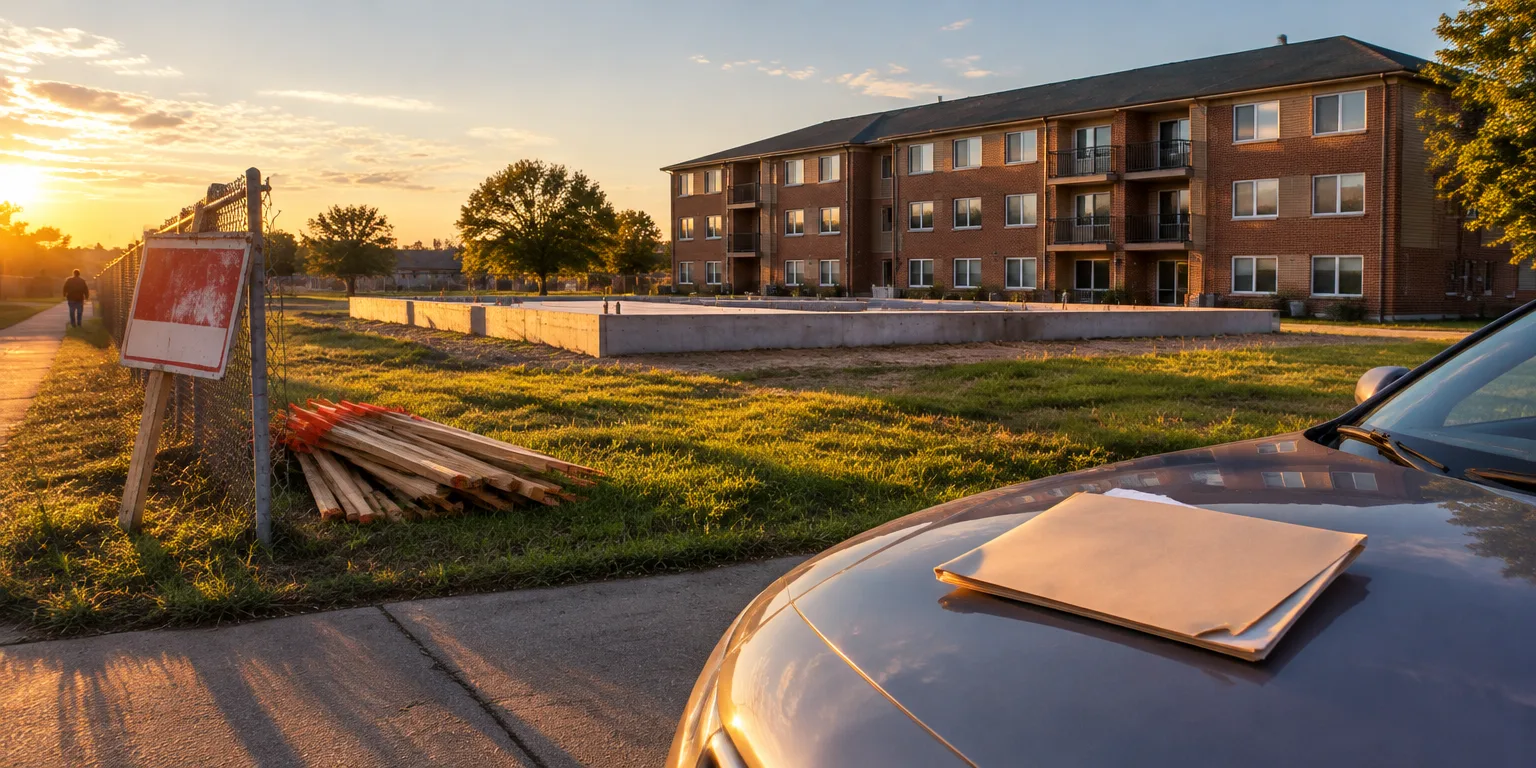
Peter Grant, who covers commercial property for the Journal from New York, described a recent example. Eastham Capital agreed to pay $20 million for a Midwestern rental complex with 200 apartments. Six weeks later, rates were higher and the numbers did not work. Because Eastham had no hard money at risk, it told the seller it would walk away unless it got a discount, and won a price cut of about $600,000.
An even larger strain comes after a deal closes. Many buildings were financed when rates were very low, and those loans are now coming due and must be refinanced at much higher rates. Lenders have been playing what Grant called extend and pretend, repeatedly extending troubled loans in hopes that rates would fall. There comes a point when they cannot extend anymore, and delinquencies, or borrowers falling behind on payments, and defaults, or loans going unpaid, are beginning to rise.
When commercial property values fall, many cities that depend heavily on those values for tax collections bring in less revenue, leaving smaller city budgets. Developers also watch rates closely when deciding whether to build, and when developers pause, architects, construction companies, and a wide range of other businesses can lose work.
Questions people ask
What is hard money in a property deal?
It is an earnest deposit the buyer puts down after agreeing to a price, to show the offer is serious. If the buyer walks away without a reason allowed in the contract, the seller usually keeps the money. In commercial deals the amount and terms can still be renegotiated.
What does it mean to refinance a commercial building?
It means taking out a new loan, usually from a bank or investor, to pay off the old loan when it comes due. Owners do this every five to 10 years. If interest rates are much higher than when the old loan was made, the new monthly payment can be too large for the building's rental income to cover.
Why would a city lose money if building values fall?
Cities charge annual property taxes based on the assessed value of land and buildings. When commercial values drop, assessments eventually drop, and tax bills shrink. That can leave less money for schools, police, road repair, and other local services.