Robert Mueller Led Vietnam Patrols Without Knowing They Were Bait
He set ambushes hoping to get his Marines back alive, and learned only after the war that drawing fire was the plan.
 The Oath with Chuck Rosenberg · Robert S. Mueller III: The Director (Part 1)
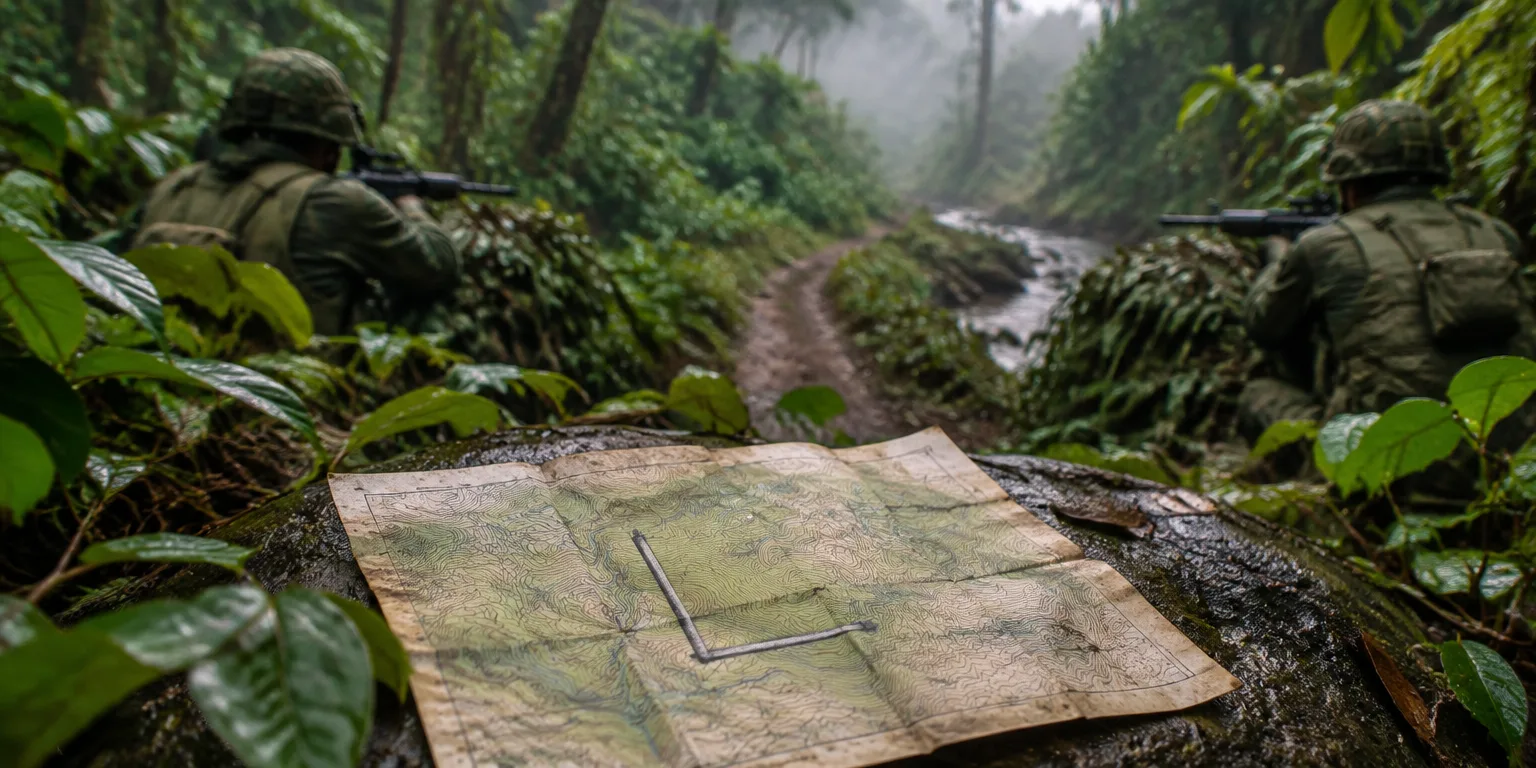
Robert S. Mueller III, then a young Marine second lieutenant who would much later lead the FBI, arranged his men in the shape of an L. In general terms, the L shape places troops along two sides so they can fire from two directions. On this patrol the purpose was not to hold ground but to make contact with the enemy and then get back across the border.
Mueller led a rifle platoon in Vietnam after deploying in the summer of 1968, serving with a regiment known as the Magnificent Bastards. New second lieutenants had short life expectancies, and more Americans died in combat in 1968 than in any other year of the war, almost 17,000.
What Mueller did not know, as he pushed north toward the demilitarized zone, the narrow buffer separating North and South Vietnam, was why he was being sent there. Only after the war, he said, was he told that President Richard Nixon wanted the zone cleared, and that small American patrols like his were being sent in to draw out fighters of the North Vietnamese Army.
It was, by design, exceptionally dangerous work. Mueller said his platoon was almost always outmanned, and when a patrol provoked a fight, the Marines had no way to know how many enemy soldiers they might face.
One of his most fearful moments came on just such a patrol, when his men set that L-shaped ambush in expectation of enemy contact. The hope, as he put it, was to make contact and then get back across the border "without losing too many people." His superiors ordered the patrols, and the men in them took the risk.
He said he understood none of the larger plan at the time. He learned it only after Vietnam, when he returned to headquarters and was told what commanders had wanted the patrols to do.
To explain that gap, Mueller reached for the film Saving Private Ryan, with its sweeping view of soldiers landing in Normandy. The individual rifleman, he said, does not know what is happening to the right or left, and has no real idea what a company does or where he fits in the larger strategy. He had been that rifleman.
Questions people ask
What was the DMZ in Vietnam?
The DMZ was a roughly 5-mile-wide buffer zone around the Ben Hai River that divided North Vietnam from South Vietnam. It was meant to be neutral under the 1954 Geneva Accords, but both sides sent troops, artillery, and spies into and around it. By 1968, it was one of the most heavily fought areas of the war.
What is an L-shaped ambush?
It is an ambush in which troops are positioned along two sides of a trail or clearing, forming the letter L. One group fires straight ahead while the other fires from the side, trapping the enemy in crossfire and blocking escape. It is especially effective because even if attackers dive for cover from one direction, they remain exposed to the other.
Why would commanders use their own troops as bait?
Probing patrols can force a hidden enemy to reveal positions, strength, and weapons by firing back. Commanders can then call in artillery, air support, or larger units to strike. The tactic trades great risk for the small unit for intelligence and the chance to bring a larger enemy force into a battle on more favorable terms.