Rockefeller Collected Rent Whenever Rivals' Oil Rode in His Cars
He bought the cars from a struggling railroad, took first dibs and lower rates, and got paid when competitors used them.
 Founders · #437 The Tycoons: Carnegie, Rockefeller, Gould & Morgan
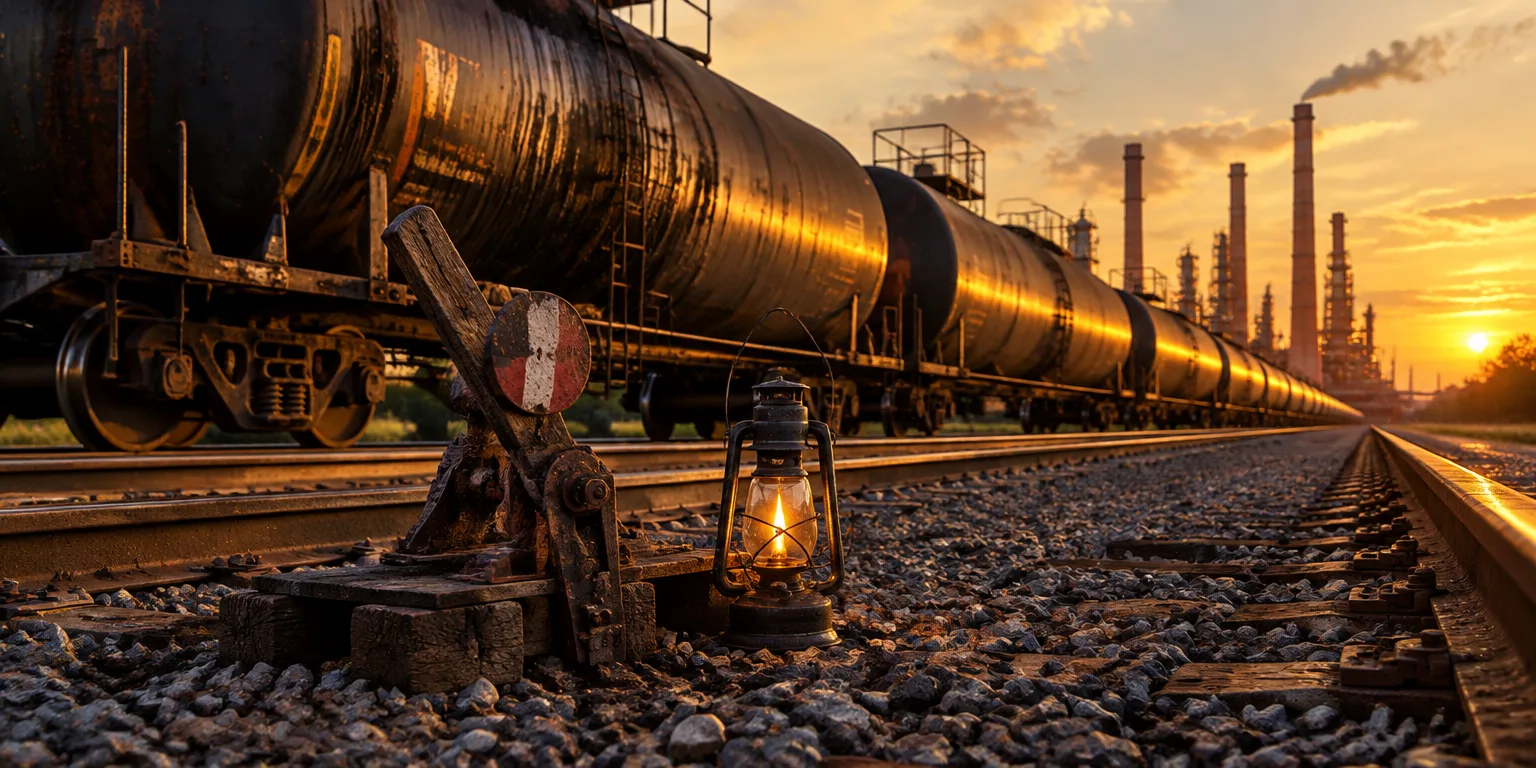
John D. Rockefeller, the Cleveland oil refiner building Standard Oil, bought a fleet of wide-gauge tank cars, railroad cars built to haul oil, from the Erie Railroad, which was short on money.
Standard took first call on the cars and paid a lower rate to use them. It collected rent when railroads used those cars to move oil for other refineries.
Rivals also added to Standard's cash through its distribution services, which other shippers used.
As author Charles R. Morris writes, "The accumulation of minor efficiencies at so many points gradually amassed into a crushing profitability advantage."
Questions people ask
Why would a railroad sell its oil cars to Rockefeller?
Railroads were expensive to build and operate, and they constantly needed cash for tracks, equipment, and debt. The Erie was short on cash, while Rockefeller's refinery business was generating steady cash flow. Selling cars to a big, reliable shipper solved an immediate money problem for the railroad.
Were those railroad rebates and lower rates legal?
No. Railroad rebates and the lower rates for favored shippers were banned under the federal Interstate Commerce Act of 1887, but the ban was rarely enforced in its early years. That weak policing let large shippers keep winning special rates for a time. The source does not settle whether the rent Standard charged when its cars carried rivals' oil was itself illegal.