Rome Tried to Ban Silk as Indecent and Wasteful, and Lost to Demand
Senators called the sheer fabric indecent and a drain on Roman wealth, but shoppers kept buying and the silk kept coming.
 CrashCourse · The Silk Road and Ancient Trade: Crash Course World History #9
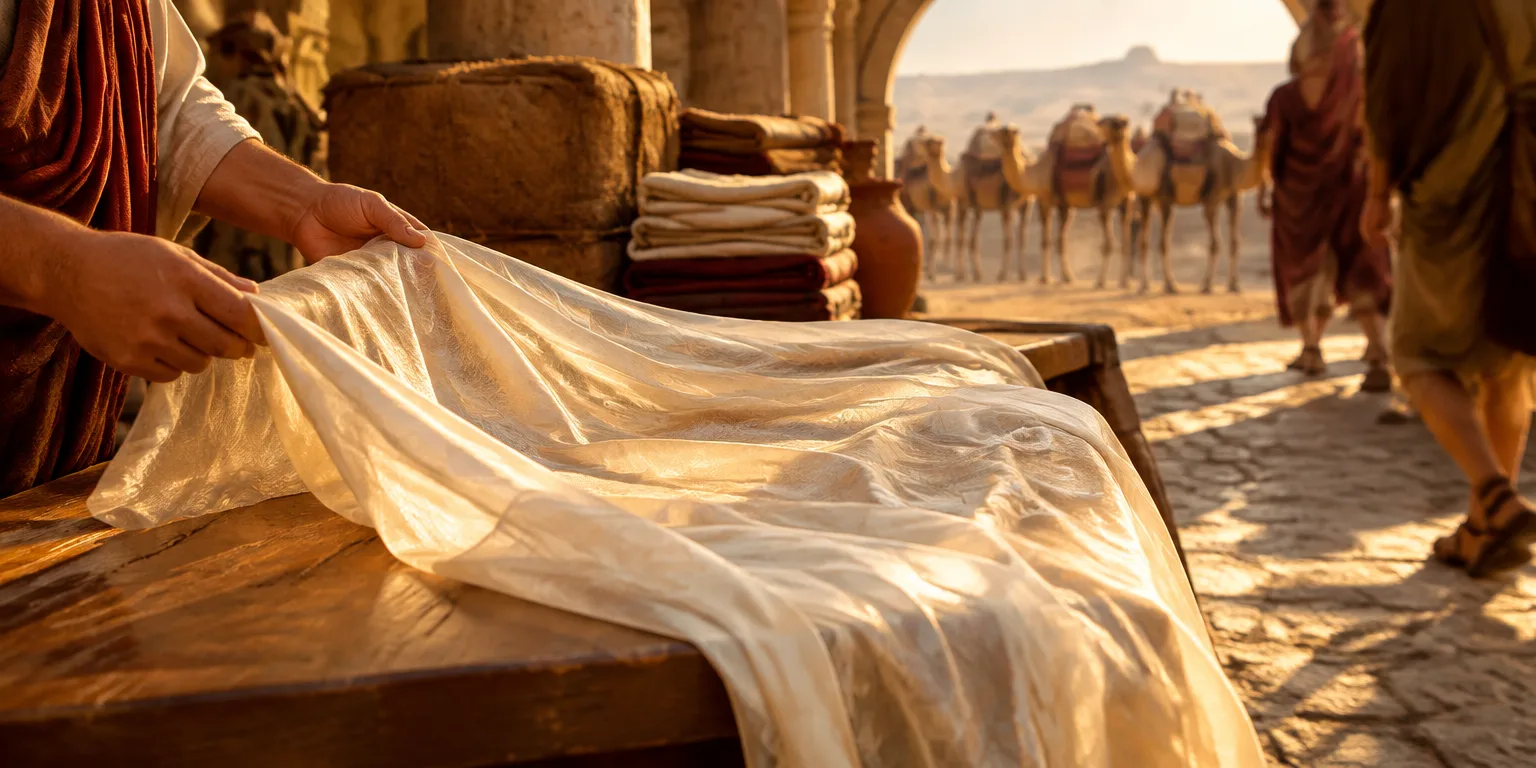
In ancient Rome, the scandal was easy to see. Wealthy Romans had taken to wearing silk, a thin cloth that clung to the body and left little hidden. To traditionalists, the fashion looked indecent, and to officials watching the treasury, it looked like Roman money flowing outward to pay for a luxury.
Seneca the Younger, a Roman whose criticism was remembered, put the complaint plainly. "I see clothes of silk, if materials that do not hide the body, nor even one's decency, can be called clothes," he wrote.
He went further still. Of a woman who wore silk, he said, "her husband has no more acquaintance than any outsider or foreigner with his wife's body."
This was more than talk about taste. Senators voted more than once to outlaw silk, arguing that buying the imported cloth sent Roman wealth abroad and that the sheer fabric exposed too much of the wearer. The case against silk paired money and morals, that the trade drained wealth and the clothing weakened modesty.
Yet every ban failed, and the persistence of the buying showed that money influenced those in charge even long ago. The demand from rich shoppers proved stronger than the rules meant to restrain it.
The supply helps explain why the demand was so hard to stop. Caravans carrying silk and incense crossed the desert to Palmyra, and from there the goods moved on toward Rome. Towns along that path became fantastically wealthy, because goods bound for Roman buyers had to pass through them and left profits behind.
Those routes also offered traders a different way to grow rich, one that did not depend on holding royal or noble rank and living off a share of what ordinary people produced. Senators voted to forbid silk because it was costly and revealing, but shoppers kept buying and the silk kept coming.
Questions people ask
Where did Rome's silk come from?
Almost all of it began in China, where silkworm farming and weaving were closely guarded skills for centuries. It reached the Mediterranean through a chain of middlemen across Central Asia and the Middle East, with towns like Palmyra taking a cut along the way.
Why was ancient silk so see-through?
Silk fibers can be spun extremely fine, and Roman buyers prized the lightest weaves, sometimes unraveled and rewoven to be even thinner. The result was a sheer, clinging fabric that revealed the shape of the body, unlike heavy wool or linen togas.
Did Rome try to ban other luxuries too?
Yes. Roman lawmakers passed repeated sumptuary laws limiting spending on feasts, jewelry, purple dye, and other imports. Like the silk bans, most were hard to enforce because elite status was displayed through exactly those goods.