Ross Perot Walked Away From 70% of Home Depot Over an Old Cadillac
A fight over a used Cadillac ended a $2 million deal for control of a company that had not yet opened.
 Acquired · The Home Depot
The meeting was in Dallas. Investor Ken Langone had brought hardware executive Bernie Marcus and his partners to see Ross Perot, the businessman behind EDS, and they had hammered out terms to launch the new hardware chain: $2 million to start the company in exchange for 70% of it.
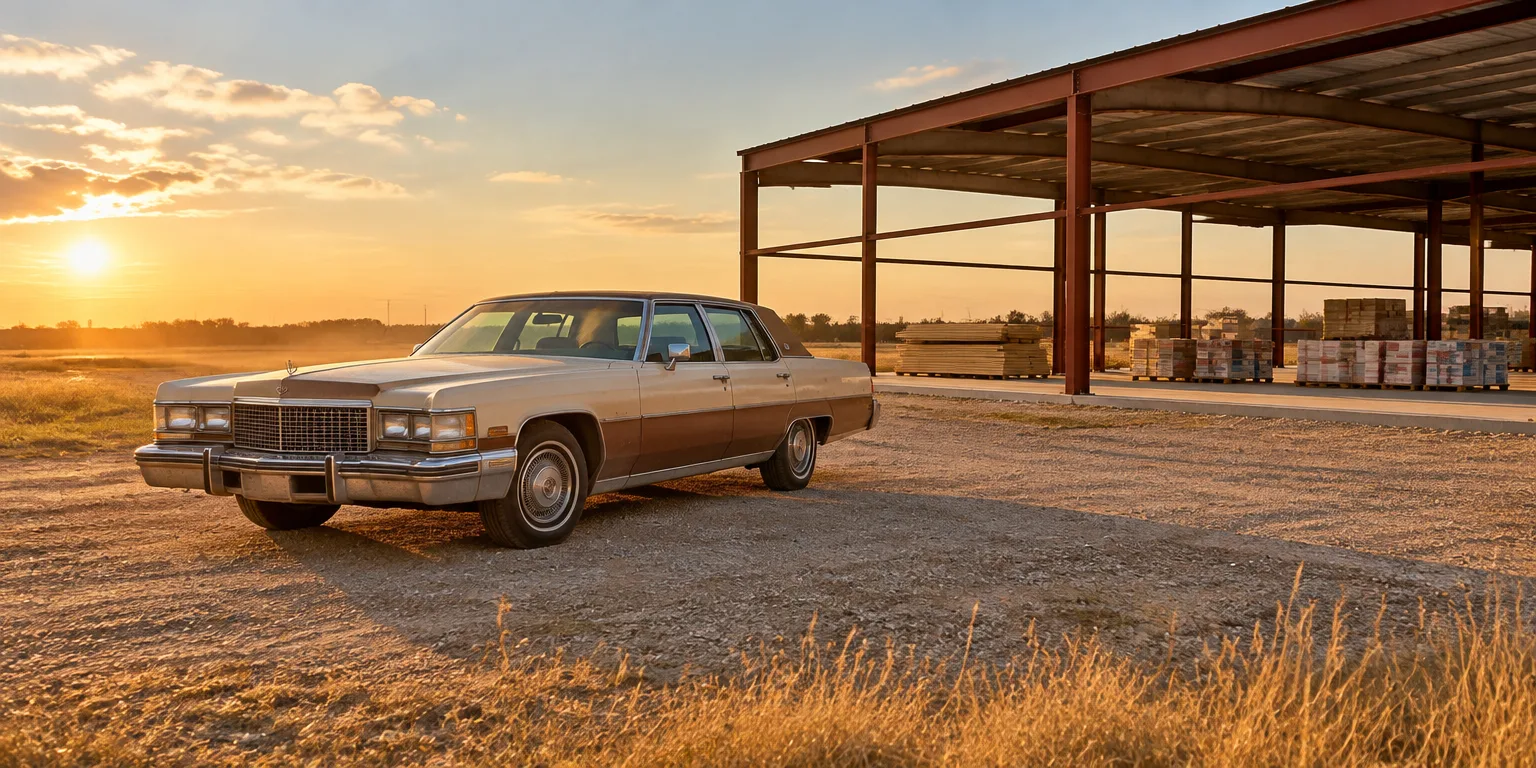
The deal collapsed over the car Marcus drove, an old Cadillac he had kept as his company car from his old job running the Handy Dan hardware chain. It was not new or showy, just an old, large car from a previous job.
The math used a rough market value of about $350 billion. After later dilution and stock buybacks, early investors would have retained about 91% of their starting ownership, making Perot's 70% worth about $223 billion if he had held it. Ben Gilbert, who did the calculation, added the caveat himself: "Assuming he held."
Perot said the car mattered on principle. His people at EDS did not drive Cadillacs, he said, they drove Chevrolets, because the company was scrupulous about its costs.
Marcus thought that was backward. A used Cadillac he already owned was the thrifty choice, while buying another car to look frugal would cost money for no reason. He also heard something larger in the demand, that Perot was treating him like an employee in someone else's company rather than the founder of his own.
The clash was sharp because money was so tight. Backing a new retail idea in the late 1970s, with high inflation and interest rates near 20%, already looked risky, and there were few other people with the cash and nerve to fund it.
So Marcus blew up the deal. Perot walked away from the $2 million investment, leaving Marcus and his partners with a big store concept, an old Cadillac, and almost no place left to find the money.
Questions people ask
How did Home Depot get started without Perot's money?
After Perot left, Langone raised about $2 million from around 40 wealthy investors who each put in about $50,000. The founders kept a much larger share than Perot had offered, with management holding 45%, the new investors holding 50%, and Langone taking 5% for arranging the financing.
Why did Perot care so much about what kind of car people drove?
Perot said it was the principle of the thing and that his people at EDS drove Chevrolets because the company was scrupulous about costs. No more detail is given about his motive beyond that emphasis on cost discipline.
Would Perot really have made $223 billion?
Probably not. Ben Gilbert's $223 billion figure assumes Perot had held the stake all the way through, which Gilbert himself flagged when he said, Assuming he held. In practice, holding an early stake for decades without selling is unlikely.