Salesforce Is Moving Toward Charging for Results, Not Seats
The company says the aim is customers who are happy, successful and return.
 The a16z Show · Inside Salesforce’s $100 Billion M&A Playbook | John Somorjai
For years, much business software has been sold like office chairs. A company paid for each seat, meaning each employee login, whether the tool was used constantly or barely at all.
John Somorjai, Salesforce's corporate development chief, says that model is loosening. Salesforce still uses seat-based pricing for some products, but "consumption is a big part of how" it prices others.
Consumption-based pricing means paying for how much you use. Somorjai points to MuleSoft, a Salesforce product for connecting different business systems, as one that has always been priced that way.
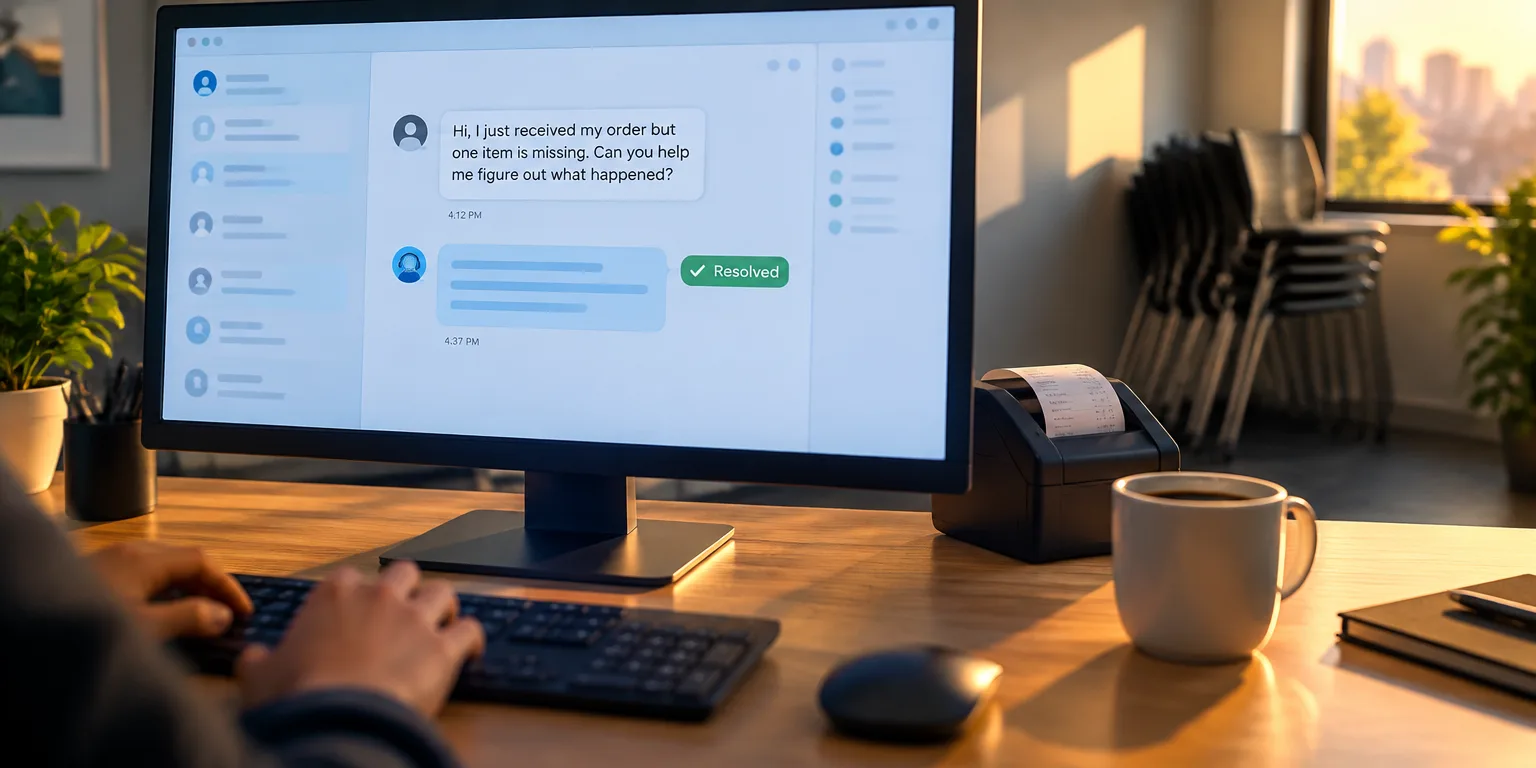
The newer shift, he says, is toward outcome-based pricing. Instead of paying per seat or by usage, a customer pays for a result, such as a customer-service problem that gets resolved.
Somorjai points to Finn, an AI customer-service product Salesforce acquired, as an example of what that looks like. Finn was an early pioneer of resolution-based pricing, charging when it solves an issue rather than when someone logs in.
The goal, Somorjai says, is to make sure customers are "happy and successful and will come back." He expects more Salesforce products to be priced for outcomes, a trend he sees spreading across the technology industry.
Questions people ask
What counts as a resolution?
A resolution generally means a customer's question or problem is fully handled, often by an AI agent, without needing a human worker to step in. Vendors define it in advance, such as when a chatbot answers a question or closes a support case.
How does consumption-based pricing work?
Think of a utility bill. The customer pays based on volume, such as the number of messages sent, data processed, or automated tasks completed. Heavy users pay more, light users pay less, regardless of how many employees have access.
Why would a buyer prefer outcome pricing?
It ties the bill more directly to value. If the software solves 1,000 support tickets, the buyer can compare that cost with hiring people to do the same work. The risk is that unpredictable bills can make budgeting harder.