Sam Altman Says His Two Biggest AI Fears Are in Tension
Losing control of AI and concentrating its power both take decisions away from people, he argues.

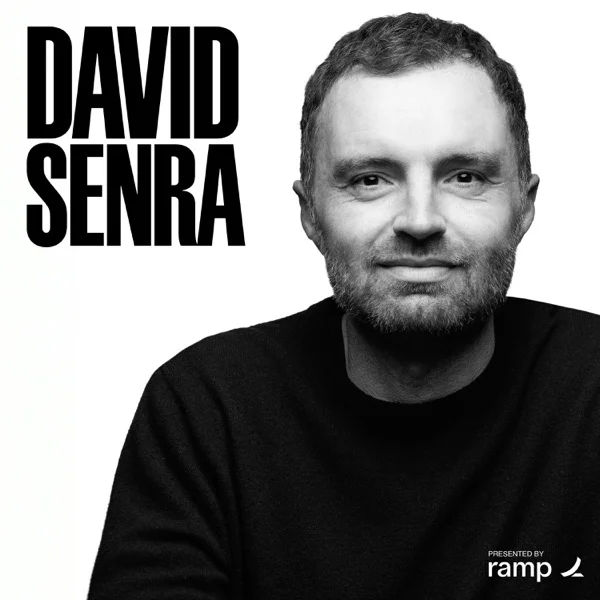 David Senra · Sam Altman on Building OpenAI & Betting on the Impossible
Sam Altman, the chief executive of the artificial intelligence company OpenAI, was talking with podcaster David Senra about the future he wants when he laid out the two outcomes he fears most.
The two big risks, Altman said, are “a little bit in tension.” One is “a loss of control,” where AI grows so powerful that people cannot ensure the direction they want. The other is power becoming too centralized, where one company, model, or person holds too much of it.
Both outcomes, Altman argued, take power from ordinary people. He called either result a very anti-human position, and said the right approach is to keep “people deeply in control of the future” and deeply empowered.
He was mocking a pitch he attributes to others in the AI field, not making it himself. He called it his caricature of their view, saying some people “effectively say, 'We're gonna give the world a cure to all disease, and we're gonna make stuff really cheap in exchange for people giving up their autonomy'.”
In that version, he said, a few companies would hold “huge amounts of wealth and power” while limiting who can use the technology and how. Other people would get what he called a pretty good everything, plus cheap goods and cures, but little say over the future and rampant inequality.
Senra asked why anyone would feel willing to make that trade. Altman said he thinks the answer is fear and power, that people get so nervous about the size of AI's risks that they want to trade liberty for safety in a way they would not accept with other risks.
That fear, he said, can then become a justification for seeking power. “People are the whole point of this all,” Altman said.
Questions people ask
Why are those two risks in tension?
Altman calls the two risks a little bit in tension but does not spell out the conflict in this discussion. He presents both as ways ordinary people lose control of the future, either to a model or to a small group. The shared concern, for him, is who holds power.
What does losing control of AI actually mean?
It means AI systems acting in ways people did not intend and cannot reliably stop or correct. In Altman's description, AI becomes too powerful for people to guarantee the control they want.
What would concentrated AI power look like in practice?
It could mean one company, model, or person holding too much power, limiting who gets access to the technology and how they can use it. Altman worries that would leave others as passive recipients of benefits, like medicines or cheap goods, without real choice or influence.