Samsung Won Computer Memory by Spending When Rivals Stopped
The strategy left three companies controlling the market, and taught the survivors to avoid repeating the overbuilding of the past.
 Invest Like the Best with Patrick O'Shaughnessy · Ben Thompson on Big Tech, China, and the AI Boom Running Out of Money - [Invest Like the Best, EP.487]
The pattern was familiar to anyone who had watched computer memory. Memory chips, the parts that store data in phones and computers, would run short and prices would soar, because new supply could not be brought on immediately. That shortage would spur new makers to enter, too much capacity would arrive at once, and prices would plunge and leave makers blown out.
Taiwan once had a memory market of its own, an example of how crowded the field used to be. Every boom brought entrants, and every bust washed more of them away. The upfront cost of building a plant was so large that each collapse claimed companies that could not survive until demand returned.
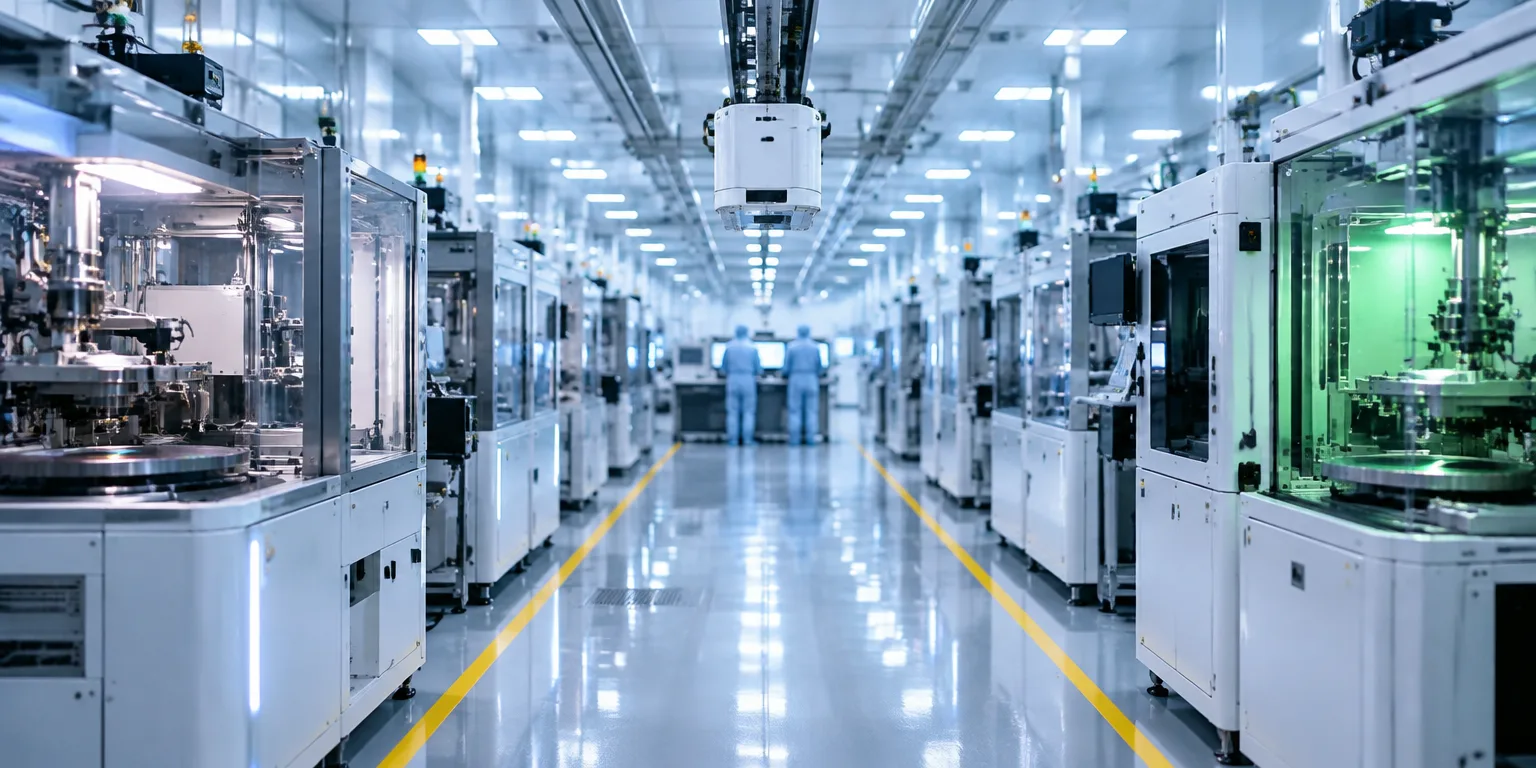
Samsung decided to play the cycle differently. Building leading edge memory uses advanced machines and production lines that cost billions of dollars, so being ready for the next shortage meant spending long before the customers arrived.
Samsung had studied the past and concluded that the answer was to keep investing in a slump so it would be ready when the next upturn arrived. Doing so took great nerve, discipline, and money. While others held back in the downturn, Samsung kept building factories and equipment.
When demand returned, Samsung was ready. It could sell into the shortage, take share, and use the proceeds to prepare for the next round. Japanese makers lost out, and the balance of the industry shifted.
South Korean companies came to dominate the business. The field shrank to three major makers, not a monopoly but a kind of oligopoly. The survivors shared a new discipline, a common understanding that they would not repeat the overbuilding of the past, even without formal collusion. They had all lived through the same busts, and they were determined not to get blown out again.
Questions people ask
Why does it cost so much to add memory supply?
A modern memory fab is a giant cleanroom filled with precision tools that print, layer, and test chips at microscopic scale. The tools alone can cost tens of millions of dollars each, and a full production line runs into the billions. Because it also takes years to build and qualify, supply cannot respond quickly when prices spike.
If only three companies dominate memory, why don't prices stay high forever?
Concentration gives them more discipline than the old crowded market, but they still fear the old cycle. If they restrict supply too much or push prices too high, they invite new entrants and political pressure from big customers. Apple, for example, has pushed to qualify Chinese memory as an alternative source. That threat helps keep them from squeezing too hard.
Could the same invest-in-a-downturn strategy work in AI computing?
In principle, yes, because data centers and chip fabs also have huge upfront costs and long lead times. The company that keeps building through a slowdown would have capacity ready when demand returns. The risk is timing, because no one knows how long the downturn lasts or whether demand will look the same when it comes back.